

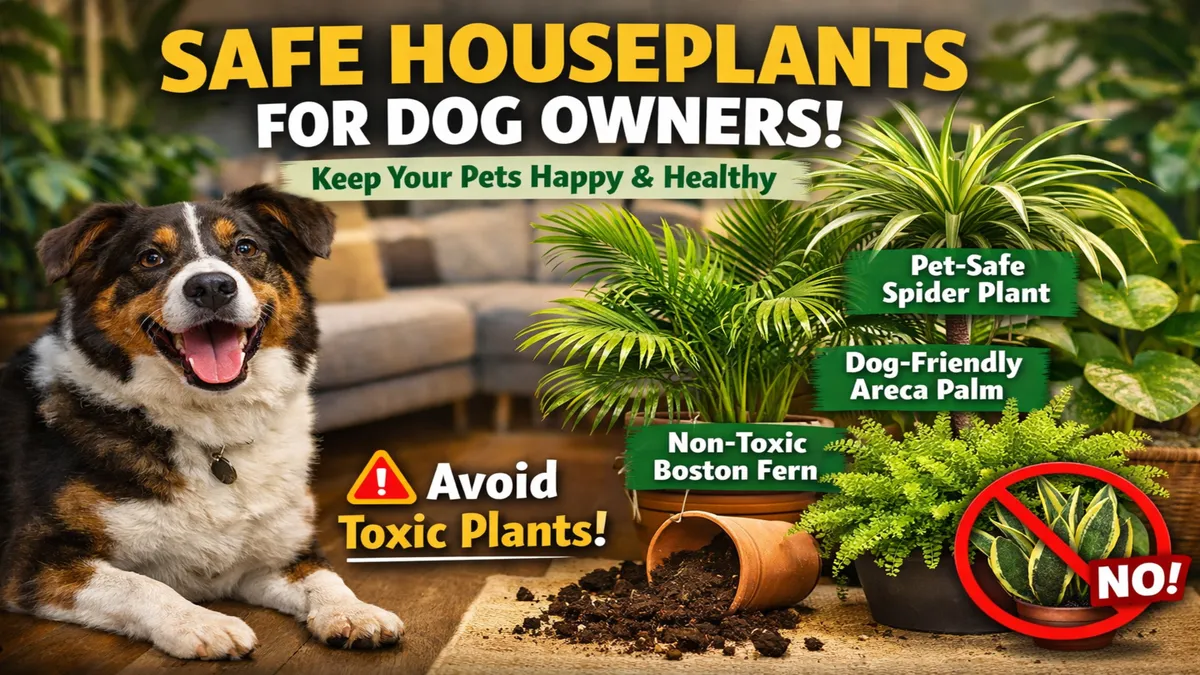
If you have both a dog and houseplants, it's normal to be concerned. Even chewing on a single leaf can cause distress. I've experienced this firsthand in my own home. After trial and error and advice from my veterinarian, these are the indoor plants I safely grow around my dogs.
Why Choosing Safe Indoor Plants for Dogs is So Important
Many common houseplants are toxic to dogs. Even nibbling on a small leaf can cause vomiting or mouth irritation. I learned this the hard way when I had to remove a plant that my dog kept sniffing near the window.
Related News


Dogs often chew on plants out of boredom, curiosity, or teething. Safe plants reduce stress. They allow you to enjoy greenery without constant worry or supervision.
• Puppies chew more than adult dogs
• Pots placed on the floor are at higher risk
How I Chose These Pet-Safe Plants
Based on real-world home growing experience, not just theory
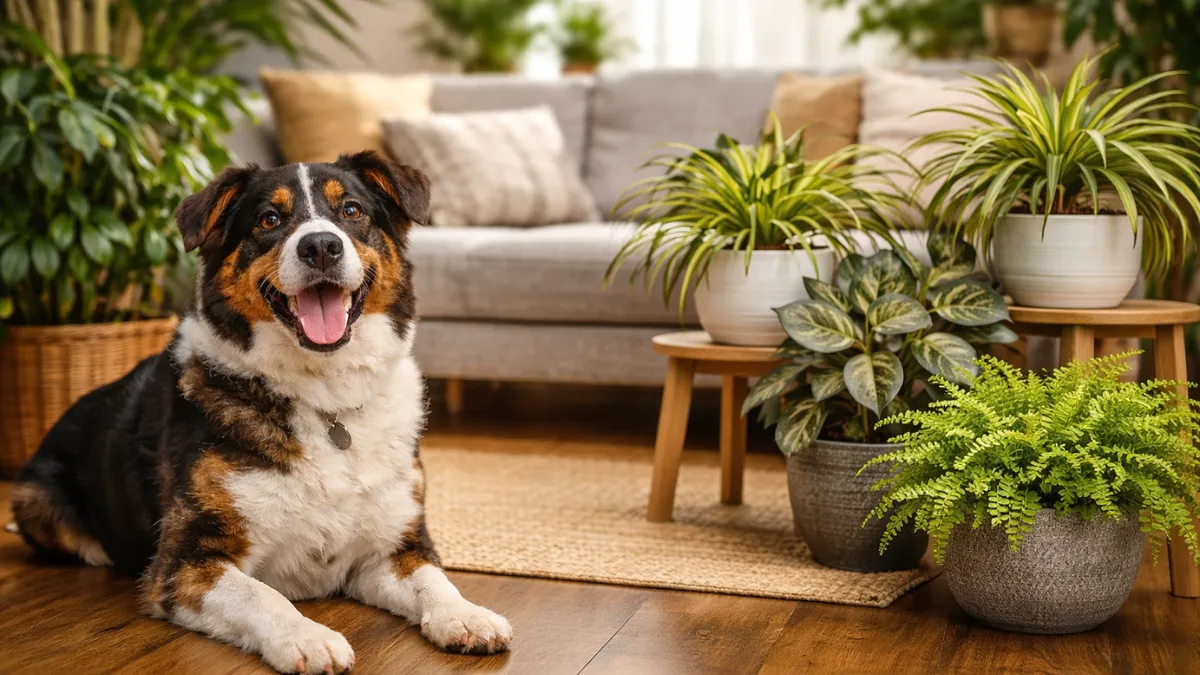
All the plants listed here have been in my home for months. And my dog has touched, sniffed, and lightly chewed on some leaves without any adverse reactions.
I also double-checked toxicity lists shared by veterinarians and animal care groups. Even so, I always monitor new plants for a few days.
Safe Indoor Plants for Dogs and Other Pets
Spider Plant (Chlorophytum comosum)
Spider plants are one of the safest options. My dog once pulled on a dangling leaf, but he was perfectly fine.
They grow quickly and thrive even in low light
Home Care Tips :
Water only when the topsoil feels dry. Overwatering can cause the leaves to become mushy.
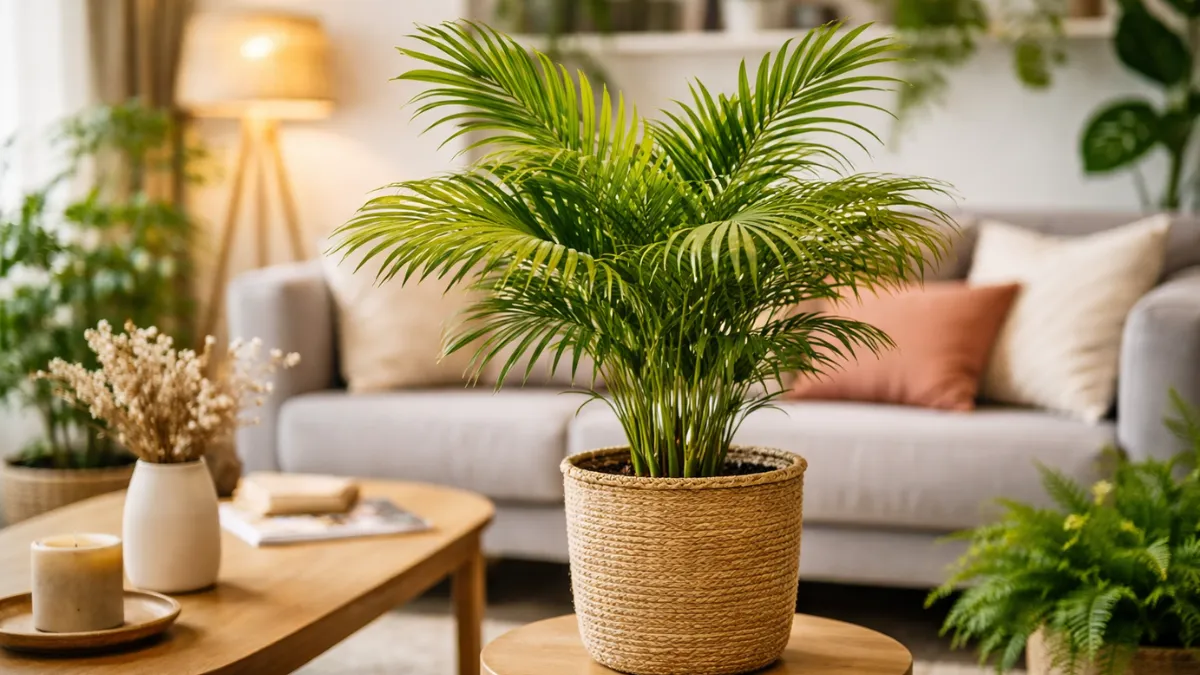
Areca Palm (Dypsis lutescens)
This palm provides height without any danger. My dog sleeps next to it every day.
It doesn't cause mouth irritation or stomach problems.
Care Tips :
• Bright, indirect sunlight is best. Mist the leaves once a week to prevent drying out.
Boston Fern (Nephrolepis exaltata)
Boston ferns are completely safe for dogs. I keep mine on a stool near the window.
It survived even after my dog pulled on the leaves more than I expected.
Care Tips :
• It likes humidity. Dry air causes the leaves to drop. I water lightly but frequently.
Calathea (Prayer Plant)
Calatheas are safe and beautiful. My dog ignores them because of their thick leaves.
They often fold their leaves at night, which always looks special.
Care Tips :
• Use filtered water if possible. Tap water causes spots on the leaves.
Parlor Palm (Chamaedorea elegans)
This plant is small, slow-growing, and very safe. It's perfect for corners or desks.
My dog has never shown any interest in it.
Care Tips :
• It tolerates low light. Avoid overwatering.
Common Mistakes Dog Owners Make with Indoor Plants
Many people buy plants first and then check their safety later. I did this once and had to quickly remove a plant.
Another mistake is placing "safe" plants on the floor without considering the dog's behavior. Some dogs dig in the soil, which creates both a mess and stress.
Everyday Problems and Easy Solutions
| Problem | Cause | Simple Fix |
|---|---|---|
| Dog chewing leaves | Boredom or teething | Provide chew toys nearby |
| Soil digging | Curiosity | Use heavy pots or pebble cover |
| Leaf damage | Low humidity | Light misting weekly |
| Plant falling | Tail movement | Move to corner or stand |
Where to Place Plants in a Dog-Friendly Home
• Avoid plant stands that are easily knocked over. I use wide, heavy pots.
• Windowsills only work if your dog can't jump up there.
• Hanging planters are often safe, but make sure the wires are strong.
• Never place plants near your dog's food bowl.
Plants often mistakenly considered safe (avoid these)
• Some plants are incorrectly advertised online as pet-friendly. For example,
• Peace lilies, snake plants, and pothos are not safe for dogs.
• I always recommend double-checking before buying any plant.
Related articles
Pet-Friendly Indoor Plants Safe for Children & Homes
Best Pet-Safe Indoor Plants for Cats (Non-Toxic & Vet-Approved Guide)
Spider Plant vs Snake Plant: Which Is Better Indoors? (2026 Test)
Final thoughts from my home
Living with dogs and plants is possible. I do it every day. Choose non-toxic plants, observe your dog's habits, and adjust the space accordingly. Careful choices and simple care will keep both your dog and your plants healthy.