The pink lotus is a powerful symbol of peace and purity. Learn its indoor meaning, spiritual importance, realistic growing conditions, and honest care limitations for home environments.
✨
AI summarized this news · Reviewed by Indoor Plantify
Pink lotuses have always held a special place in homes where peace, intention, and symbolism matter. Many bring them indoors not just for their beauty, but for their profound spiritual meaning. However, growing a pink lotus indoors is very different from keeping common houseplants. This guide explains what a pink lotus truly represents indoors, how it impacts your space, and the realistic steps and limitations you should be aware of before attempting to grow one in your home.
Yes, but only with the right light, water depth, and space. Pink lotus plants are semi-aquatic and require bright sunlight, warm temperatures, and patience. They are symbolic first, and decorative second.
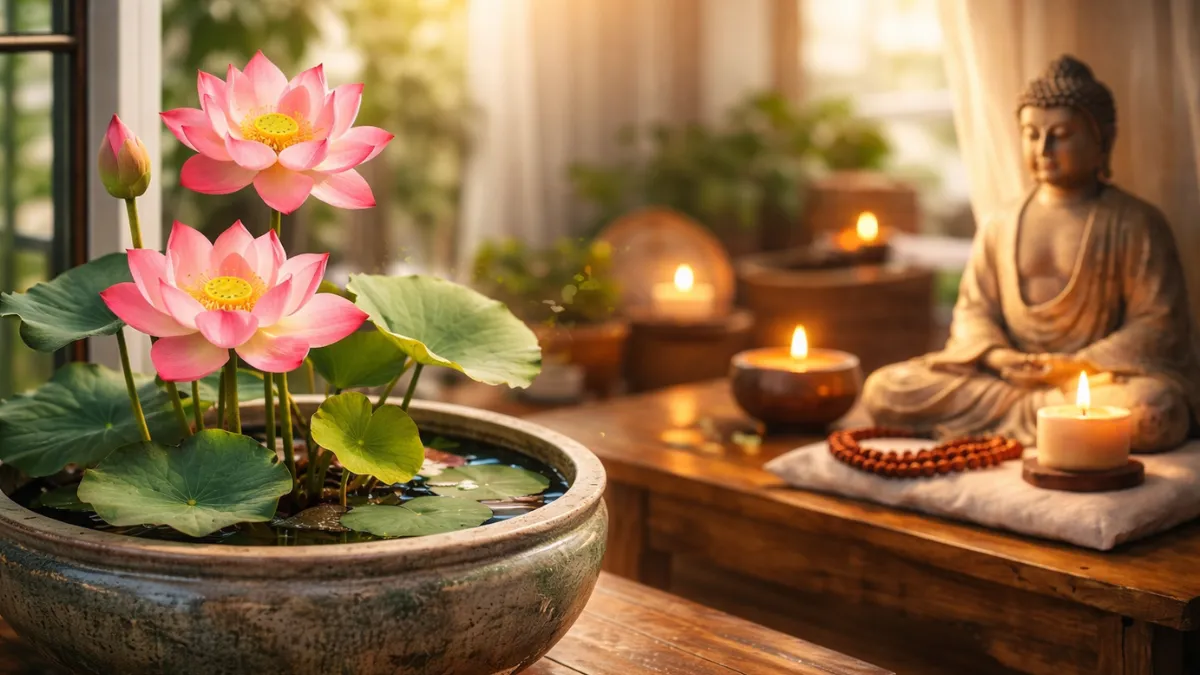
File Photo : Pink lotus placed indoors to create a peaceful meditation atmosphere.
What does a pink lotus symbolize indoors?
Pink lotuses carry meanings that go far beyond mere decoration.
• Spiritual significance
• Symbol of purity rising above chaos
• Symbol of enlightenment and peace of mind
• Often associated with meditation and calm energy
In many homes, placing a pink lotus near prayer or meditation spaces enhances focus and emotional stability.
Emotional and Mental Impact
From my own experience, having a lotus in my indoor water setup significantly calmed the atmosphere. It doesn't actively change the energy, but it promotes tranquility and mindfulness.
• Spiritual meaning of pink lotus indoors
• Symbolism of pink lotus at home
Is a pink lotus suitable as an indoor plant?
This is where expectations need to be adjusted.
Reality Check:
A pink lotus is not like common houseplants such as snake plants or pothos. This is because it requires:
• Direct sunlight (at least 5-6 hours)
• A wide water container
• Stable warm temperatures
What didn't work for me initially was placing the lotus in indirect light. The plant survived, but it never bloomed.
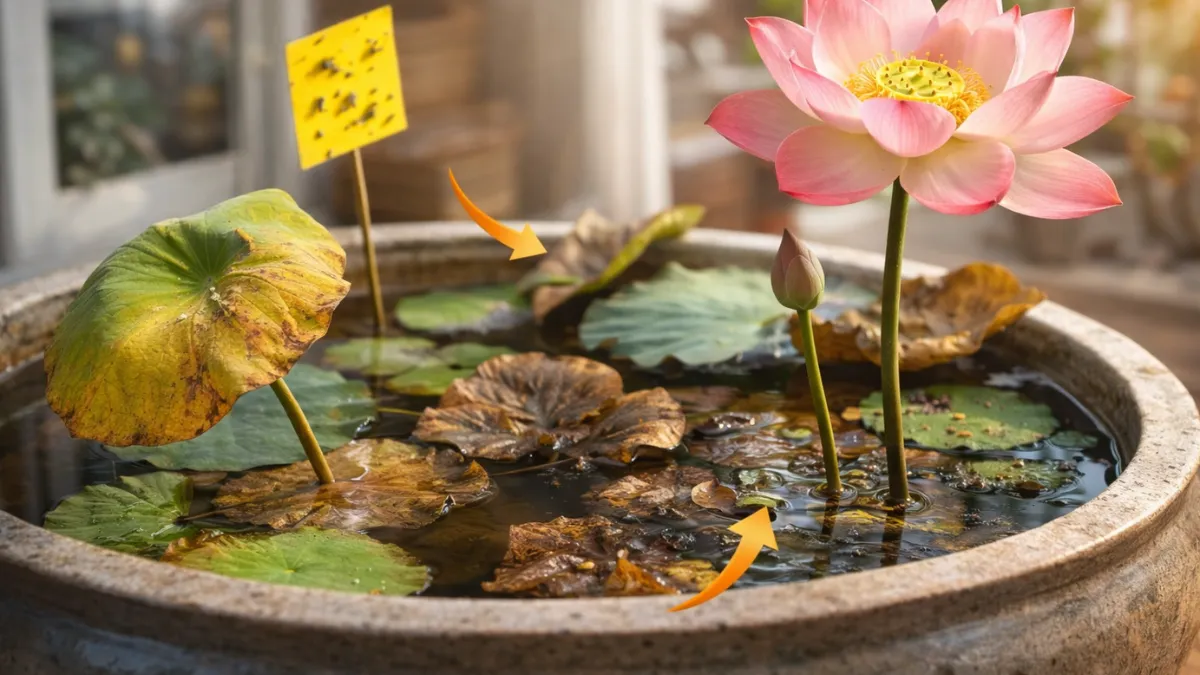
File Photo : Indoor lotus showing signs of stress due to water and light imbalance.
Growing Pink Lotus Indoors : Practical Tips
1. Choose the Right Container
Lotus roots always spread horizontally.
Requirement
Ideal Condition
Container Width
12–18 inches
Water Depth
6–10 inches
Material
Ceramic or plastic (non-metal)
2. Light is Essential
Place the container near:
• South-facing windows
• Balcony glass doors
• Sunrooms
Artificial grow lights help, but they rarely fully replace natural sunlight.
• Growing a lotus plant indoors sunlight
3. Water Quality Matters
• Use clean, chlorine-free water
• Change the water every 7-10 days
• Avoid stagnant water buildup
• Foul-smelling water is the first sign that something is wrong with your plant.
4. Temperature and Humidity
Pink lotus prefers:
• 22–30°C (72–86°F)
• Moderate humidity
• Growth slows considerably in cooler indoor rooms.
An indoor pink lotus will never grow as vigorously as a lotus in an outdoor pond. Fewer, smaller, or seasonal blooms are normal when growing it indoors.
Purpose and Trust Note
This article aims to set realistic expectations, not sell false promises. The pink lotus is a rewarding plant, but it requires dedication and the right conditions.
Conclusion
Growing a pink lotus indoors is more about intention than convenience. If you can provide the sunlight, warmth, and space, it will reward you with unparalleled beauty and symbolism. If not, it still serves as a powerful reminder of peace, patience, and growth quietly rooting itself in water and light.
Written for IndoorPlantify from genuine indoor plant care experience.
Follow Us On Social Media
Join the Discussion
No discussions yet. Be the first to start one!
Expert FAQs
Can a pink lotus really grow indoors?
Yes, a pink lotus can grow indoors if it receives at least 6–8 hours of direct sunlight, warm temperatures, and consistent water levels. Without strong light, flowering becomes unlikely.
Why is my indoor lotus not blooming?
The most common reason is insufficient sunlight. Lotus plants need full sun exposure daily, and inadequate light or small containers can prevent blooming.
How much sunlight does an indoor lotus need?
Indoor lotus plants typically require six to eight hours of direct sunlight each day for healthy growth and flowers.
What temperature is best for growing lotus indoors?
Lotus thrives in warm conditions around 75–85°F (24–29°C), and cooler environments can slow growth.
Why are my indoor lotus leaves turning yellow?
Yellowing leaves often signal insufficient light or nutrient deficiencies and may also result from poor water conditions.
How often should lotus water be changed indoors?
Changing the water every 5–7 days helps keep it clean and prevents problems like pests or stagnation.
Is growing lotus indoors difficult?
It is considered moderately challenging because the plant needs precise water depth, strong sunlight, and proper soil conditions to thrive.
Where should I place a lotus plant indoors?
A south-facing window or a bright area with abundant natural light is recommended to support strong growth.
What type of container is best for an indoor lotus?
A shallow, wide container allows the roots to spread properly and supports better flowering.
Are lotus plants naturally suited for indoor environments?
Not always — they naturally grow in large, sunny water bodies, so replicating those conditions indoors can be challenging.