

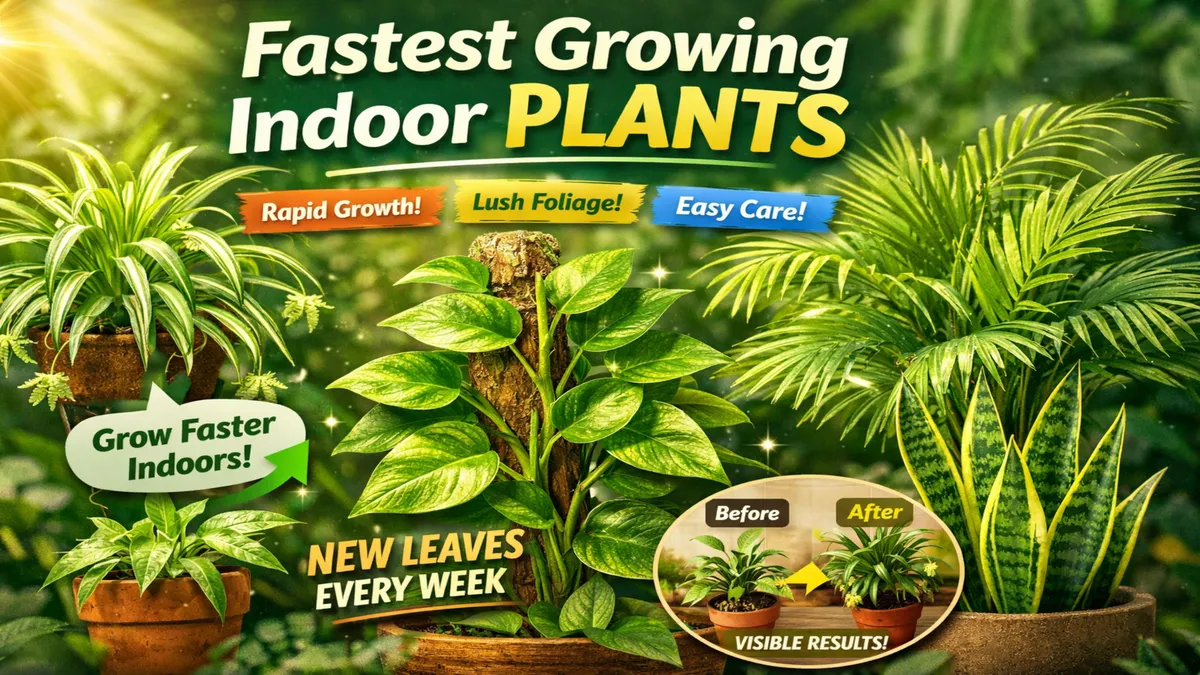
Indoor plants often grow slowly, especially when you have to wait weeks to see a new leaf. I've been there too, checking the pots every day and wondering if anything was happening. The truth is, some plants naturally grow faster indoors, but only when their basic needs are met. Growth depends less on tricks and more on how plants behave in indoor environments. And this guide tells you which plants grow fastest indoors and what actually contributes to consistent, visible growth.
Quick Comparison:
• Best for Low Ligh t: Pothos
• Best for Fast Growth : Spider Plant
• Best for Beginners : Snake Plant
• Best for Air Circulation : Areca Palm
Related News



Why Do Some Indoor Plants Grow Faster Than Others?
Fast growth indoors mostly depends on how well a plant adapts to limited light, stable temperatures, and controlled watering. Plants that evolved in the undergrowth of forests usually adapt better to indoor spaces. Because they focus on leaf growth rather than survival, this results in faster, more visible changes.
Another important factor is energy allocation. Plants with flexible stems and soft leaves grow faster because they don't waste energy on thick structures. When light, water, and space are balanced, these plants respond quickly with new shoots and longer vines.
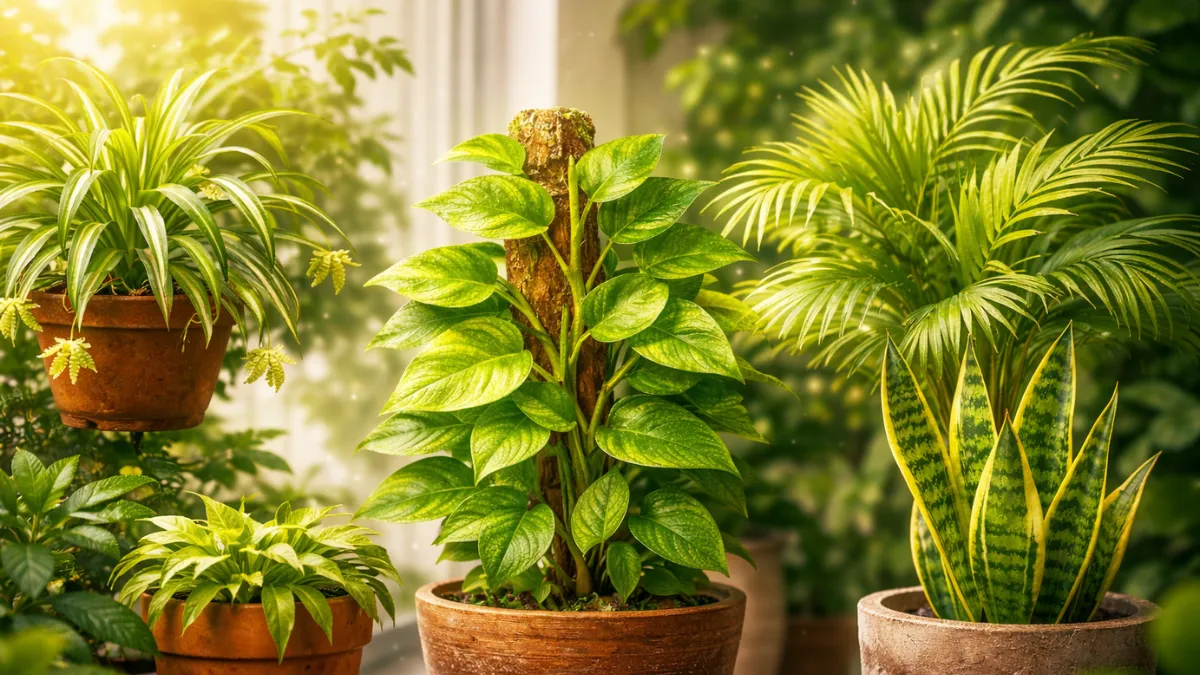
Top Indoor Plants Known for Fast Growth
Pothos (Epipremnum aureum)
Pothos grows very quickly because it tolerates uneven light and irregular watering. Once established, the vines grow considerably every few weeks. It prefers bright, indirect light, but it also thrives in darker rooms, making it a reliable plant for indoor growth.
Spider Plant (Chlorophytum comosum)
Spider plants grow very quickly when their roots are slightly pot-bound. They produce long leaves and plantlets with little effort. Regular light and consistent watering allow them to focus energy on continuous leaf production.
Philodendron (Heartleaf type)
Heartleaf philodendrons grow consistently indoors due to their climbing nature. If given support or allowed to trail, they frequently produce new leaves. Warm rooms and consistent moisture make a noticeable difference.
Areca Palm
Areca palms grow faster than most indoor palms when given sufficient light. Their fronds unfurl slowly but steadily. Good air circulation and evenly moist soil help the fronds expand more quickly.
Related Article:
Easy Indoor Gardening Hacks for Faster Plant Growth
What Actually Accelerates Indoor Plant Growth
Location Matters More Than Quantity of Light
Plants don't need intense sunlight to grow quickly. They simply need consistent, indirect light for several hours each day. Placing a plant near a window often results in better growth than even frequent fertilizing.
Root Space Controls Growth Speed
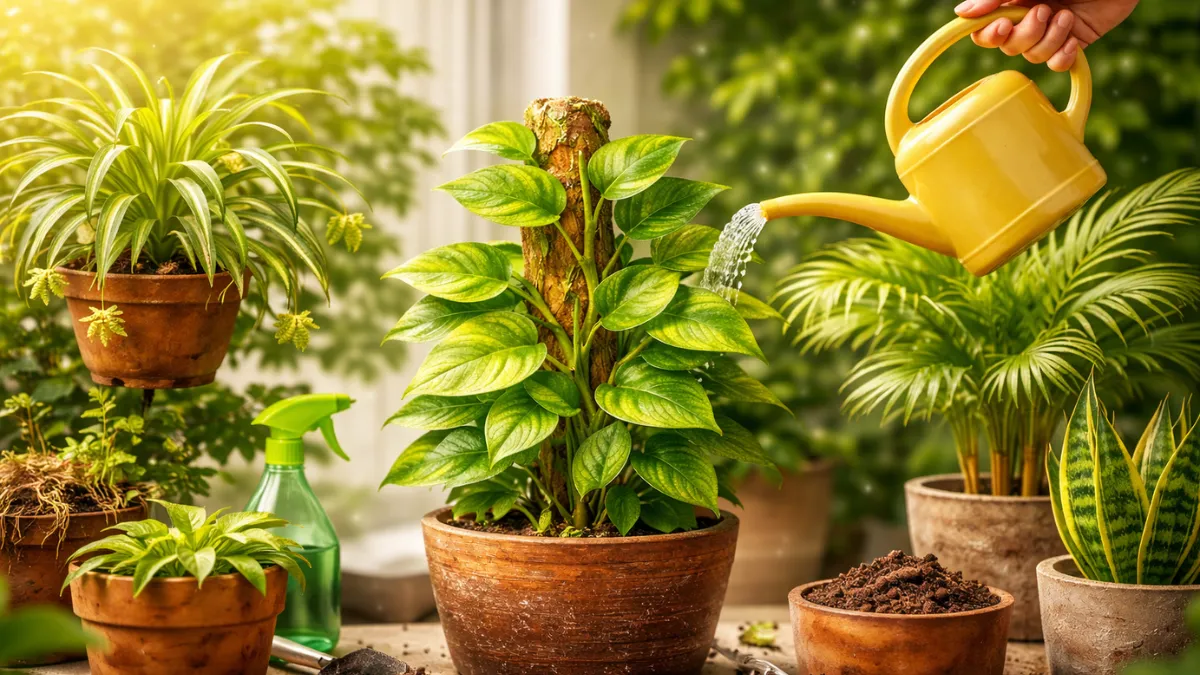
Plants grow fastest when their roots have just enough space, not too much. Large pots often slow growth because the roots focus on spreading rather than feeding the leaves. Slightly pot-bound plants often grow faster indoors.
Consistent Watering is Better Than Frequent Watering
Fast growth always comes from consistency, not quantity. Watering only when the topsoil is dry keeps the roots active. Overwatering reduces oxygen levels, which slows down leaf production even in fast-growing plants.
Common Mistakes That Slow Down Indoor Growth
| Mistake | What Actually Happens | Better Fix |
|---|---|---|
| Too large pot | Roots expand, leaves slow | Use size-appropriate pots |
| Low light corners | Plant survives, doesn’t grow | Shift closer to indirect light |
| Daily watering | Roots weaken | Water only when soil dries |
| Ignoring dust | Leaves block light | Wipe leaves gently |
Related Articles: Spider Plant Benefits : Does It Really Clean Indoor Air?
The Truth About Fertilizer for Faster Indoor Growth
Fertilizer only helps when light and water are already optimal. Fertilizing a struggling plant won't make it grow faster. For active growth, a diluted, balanced fertilizer once every few weeks is sufficient.
More fertilizer doesn't mean more growth. Over-fertilizing stresses the roots and slows down leaf production. Fast-growing plants respond best to light, consistent feeding rather than heavy doses.
How Long Does It Really Take for Indoor Plants to Grow Quickly?
Indoor growth is a gradual process, even for fast-growing plants. You might see new leaves in two to four weeks, not days. Their vines lengthen first, then the leaves unfurl. This is normal and healthy.
If nothing changes after a month, check the light direction and root space. Stunted growth usually indicates an environmental problem, not a poor plant choice.
Related Article: Spider Plant vs Snake Plant: Which Is Better Indoors? (2026 Test)
Final Tips for Consistent Indoor Growth
Fast indoor growth comes from consistency, not shortcuts. Choose plants that match your light conditions, provide adequate root space, and water patiently. When conditions are stable, growth happens naturally. Indoor plants don't rush, but they do respond. Focus on balance, and the results will gradually appear, leaf by leaf.