

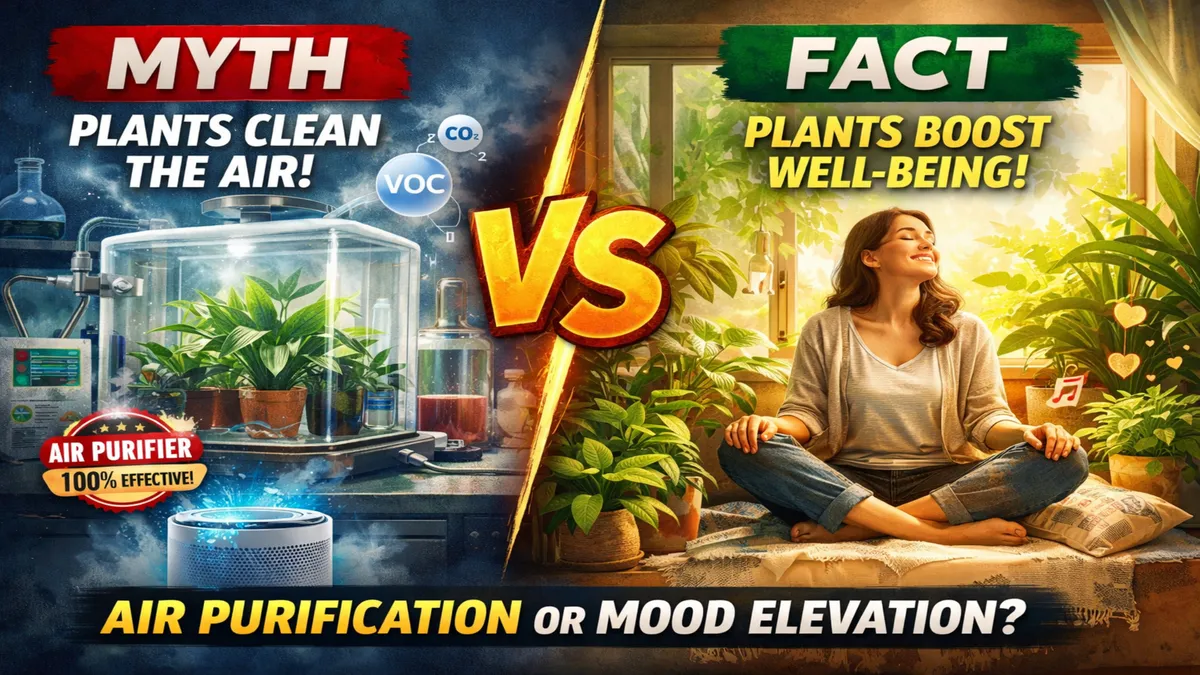
Many of us keep plants at home thinking they purify the air and keep us healthy. This idea sounds comforting, especially in homes with dust, fumes, and closed windows. But is it entirely true? Science and real-world experience tell a slightly different story. Let's separate popular myths from actual facts, without diminishing our love for plants.
Quick Comparison :
Best for low light : Snake Plant
Best for fast growth : Money Plant
Best for beginners : Spider Plant
Best for air circulation : Areca Palm
Related News



Where did the idea of air-purifying plants come from?
This idea mainly stems from a NASA study conducted many years ago. It showed that certain plants could remove specific chemicals in a sealed lab chamber. The news spread rapidly from there, and soon every plant became an "air purifier" in everyday conversation.
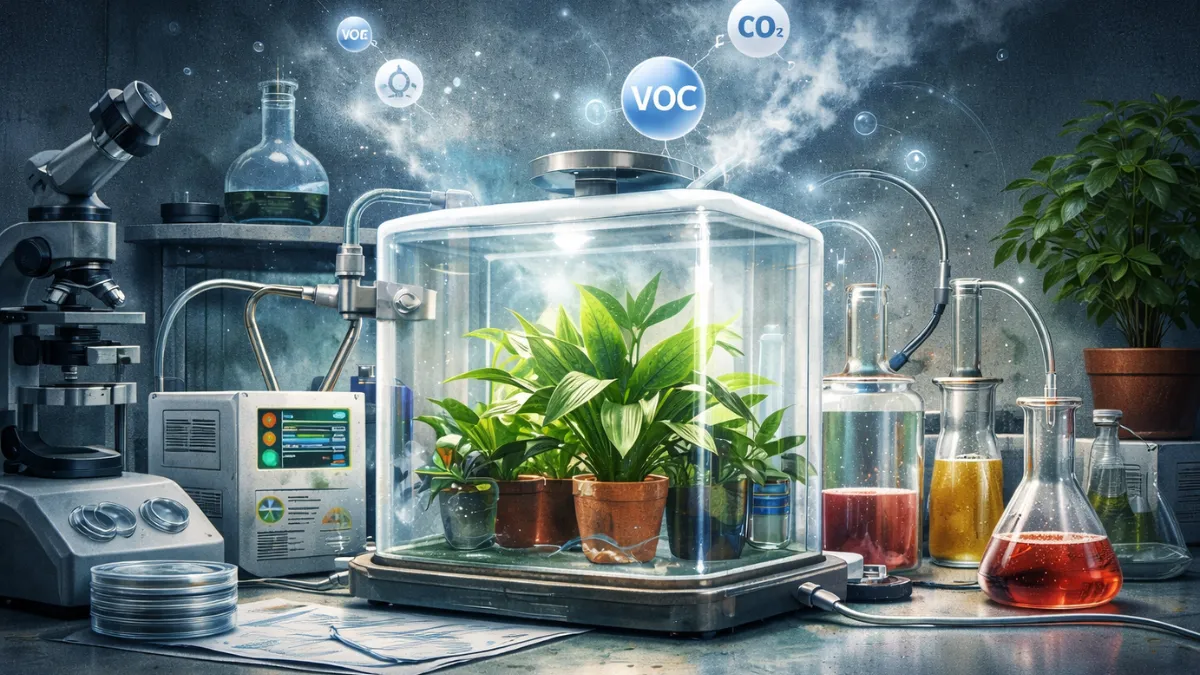
But real homes are very different from lab chambers. Our rooms have open doors, fans, windows, cooking fumes, and outside dust. Plants behave differently in such environments. This is where science and social media narratives don't quite align.
What does science actually say about plants and air?
Modern studies suggest that one or two plants cannot significantly purify the air in a home. To achieve an effect comparable to an air purifier, you would need hundreds of plants in a single room. This is clearly not practical for typical homes.
Plants do absorb small amounts of harmful gases, but the effect is very slow. Air circulation, ventilation, and sunlight play a far greater role in maintaining healthy indoor air than plants alone.
So why do homes with plants feel so good?
Even though plants don't work like machines, they still change the home environment. Green leaves slightly increase humidity. This helps reduce the dryness caused by ACs and fans, especially during the summer.
Plants also trap dust on their leaves. When you clean their leaves, that dust is removed from the room. This isn't air purification, but it does improve cleanliness over time.

Related Articles:
NASA Study Shocked Everyone : Do Indoor Plants Really Clean Air Better Than Purifiers?
Related Articles:
Peace Lily Air Purifier Myth Busted : What Works in Real Homes
Related Articles:
Air Purifying Indoor Plants People Are Loving in 2025
Mental Health vs. Air Quality – The Hidden Benefit
One major benefit that science agrees on is mental well-being. Seeing plants daily reduces stress. Many people sleep better and feel calmer in green spaces. A calm mind often feels like "fresh air," even if the air itself hasn't changed.
This mental refreshment is real and valuable. Plants quietly improve mood, not pollution levels. Understanding this distinction is important.
Popular Air-Purifying Plants – What They Actually Do
| Plant Name | Common Belief | Reality in Homes |
|---|---|---|
| Snake Plant | Cleans air at night | Very low impact on air |
| Money Plant | Removes toxins | Mostly improves humidity |
| Areca Palm | Natural air purifier | Helps airflow feeling |
| Peace Lily | Removes smoke | Decorative, not powerful |
Plants provide comfort, not chemical purification. Setting realistic expectations prevents disappointment.
How to Use Plants Effectively at Home
Instead of relying on plants for air purification, use them as a complement. Place them near windows, balconies, or in well-lit areas. Use plants in conjunction with regular ventilation, cleaning, and sunlight.
Wipe the leaves weekly. Avoid overcrowding small rooms with too many plants. Healthy plants contribute to healthier homes, but they are not a magic bullet.
Final thoughts from a real-world home experience
Plants can't replace air purifiers, but they still deserve a place in our homes. They provide a sense of peace, tranquility, and a living presence that machines simply cannot. When combined with open windows, good cleaning habits, and fresh air, plants make homes feel better in a gentle, authentic way.