

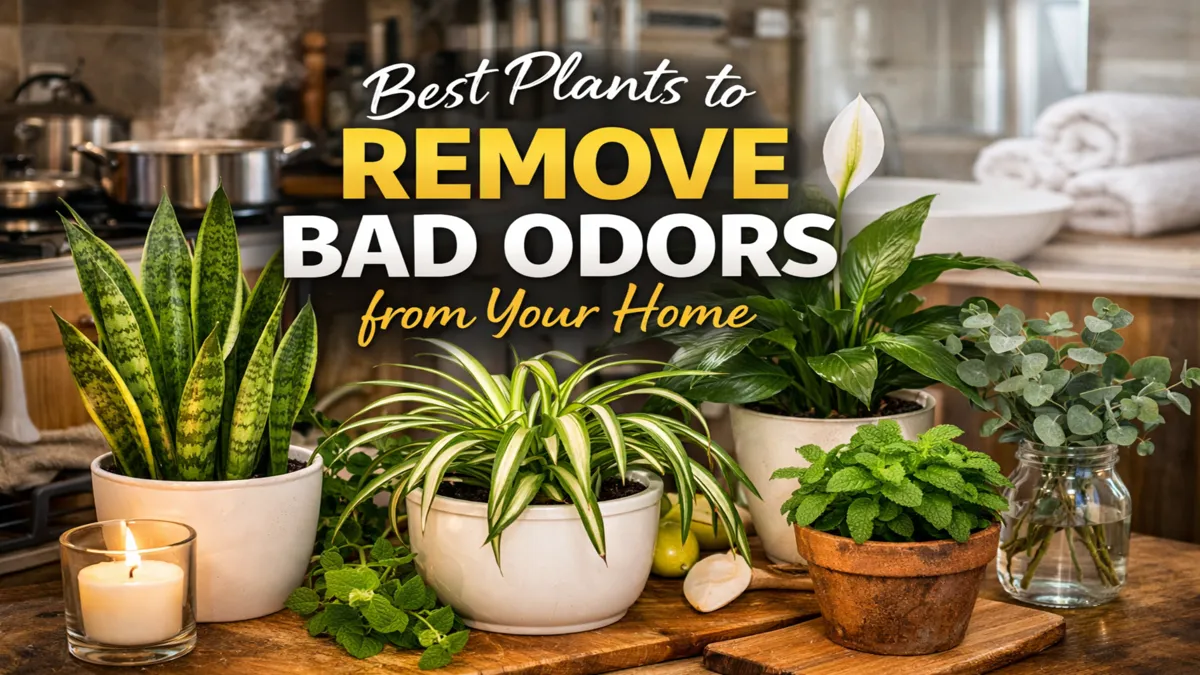
Sometimes our homes smell strange, even when everything appears clean. Cooking odors linger somewhere. Closed rooms feel musty. Bathrooms may have a mild musty smell.
Air fresheners can mask odors temporarily, but they don't actually solve the problem.
Related News



Plants can help.
Some indoor plants naturally absorb airborne particles and release fresh oxygen. Over time, they help reduce bad odors and make the air feel fresher. In my own experience, adding the right plants to problem areas like the kitchen and bathroom can significantly improve the odor.
Below are seven plants that quietly help remove bad odors from your home naturally.
Quick Helpful Info Table
| Plant | Best For Removing Odor From | Care Level | Bonus Benefit |
|---|---|---|---|
| Snake Plant | Bathroom & damp smells | Very Easy | Improves indoor air quality |
| Peace Lily | Moldy and musty odors | Easy | Adds elegant white flowers |
| Spider Plant | Kitchen cooking smells | Very Easy | Fast growing plant |
| English Ivy | Pet and smoke odor | Easy | Great for shelves & hanging pots |
| Mint Plant | Food and stale smells | Easy | Leaves can be used in drinks |
| Eucalyptus | Strong room odors | Moderate | Refreshing natural fragrance |
| Lemon Balm | Closed room smell | Easy | Natural calming scent |
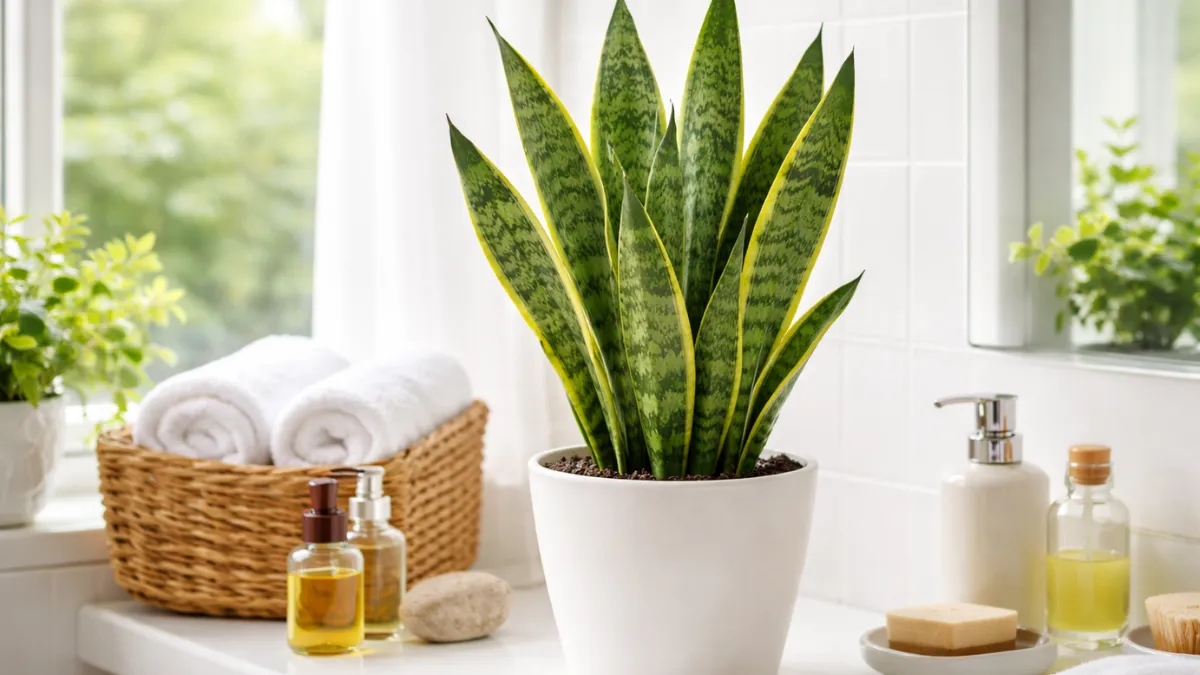
1. Snake Plant
The snake plant is one of the easiest plants you can keep indoors. It's hardy, grows slowly, and stays alive even if you forget to water it.
It's helpful in controlling odors because it can filter indoor air. It can absorb small toxins in the air and improve oxygen levels in the room.
I once planted a snake plant near a bathroom window where there was a musty smell. After a few weeks, the room felt fresher.
Why it helps:
• Absorbs indoor pollutants
• Releases oxygen at night
• Works well in low light
Best place for it : Bathroom or bedroom.
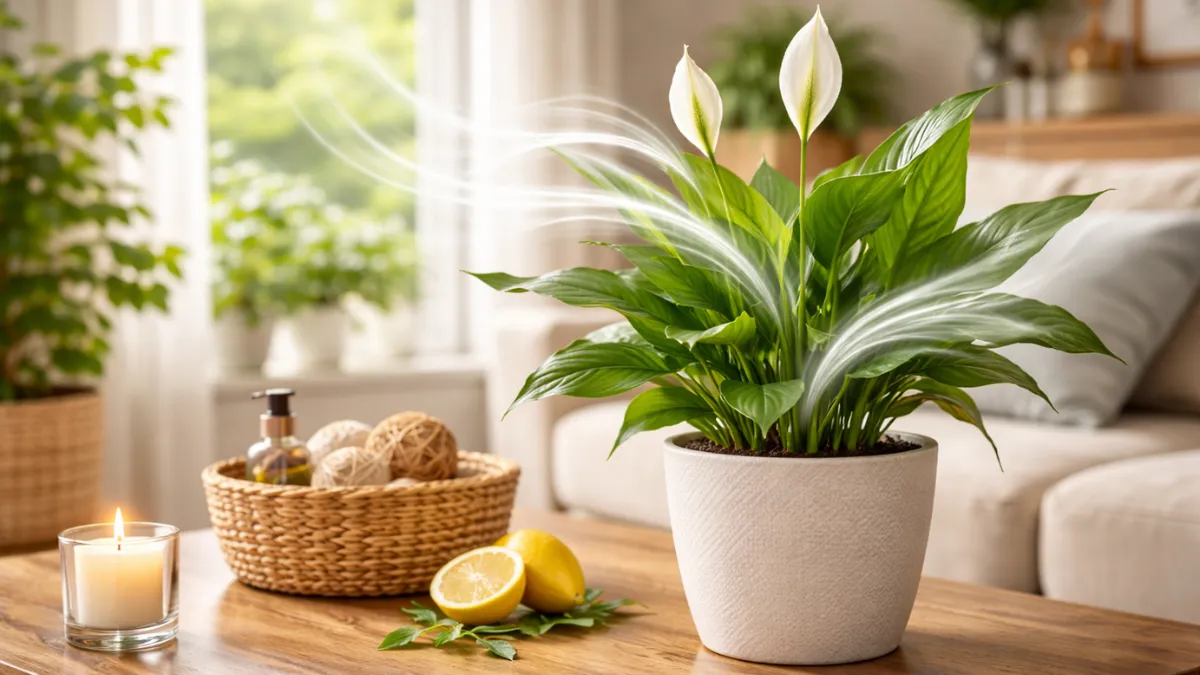
2. Peace Lily
Peace lily isn't just an ornamental plant. It also helps absorb moisture and airborne pollutants.
Excessive humidity often causes musty smells. Peace lilies help balance humidity levels naturally by filtering the air.
Their white flowers also brighten the room, which is a nice bonus.
Why it helps:
• Absorbs mold-causing moisture
• Filters indoor toxins
• Helps reduce musty odors
Best place for it : Bathroom or laundry room.
3. Spider Plant
Spider plants are very common in homes, and for good reason.
They grow quickly, require very little care, and are surprisingly effective at improving indoor air.
In kitchens where cooking smells often linger, spider plants can help gently freshen the atmosphere.
Why it helps:
• Absorbs indoor dirt
• Grows quickly and spreads easily
• Looks good in a hanging basket
Best place for it Kitchen shelf or near a window.
4. English Ivy
English Ivy is a climbing plant that looks great in a hanging pot or shelf.
It is known to reduce airborne particles like smoke and dust, which can cause bad odors inside the house.
I once tried placing it near a window where outside smoke sometimes came in. It didn't completely eliminate the smell, but it significantly improved the air quality.
Why it helps:
• Reduces airborne particles
• Helps control smoke odors
• Looks good in tall spaces
Best place for it : Living room or near windows.
5. Mint Plant
Mint is a little different from the other plants on this list because it gives off a natural scent.
Instead of just filtering the air, mint releases a refreshing scent that helps mask bad odors.
Fresh mint also has useful uses. You can pluck its leaves for tea, drinks, or cooking.
Why it helps:
• Leaves a natural fresh scent
• Easy to grow indoors
• Useful in the kitchen
Best place for it : Kitchen windowsill.
One mistake I made initially was keeping the mint in low light. It grew weak and leggy. Mint actually prefers bright light.
6. Eucalyptus
Eucalyptus is known for its clean, fresh scent. Even a small eucalyptus plant can make a room feel quite fresh.
Many people hang eucalyptus branches in their showers because the steam releases the plant's natural oils.
The scent helps neutralize bad odors rather than simply masking them.
Why it helps:
• Natural antibacterial scent
• Fresh, clean scent
• Helps reduce the feeling of stale air
Best place for it : Bathroom or bedroom.
One drawback is that eucalyptus requires bright light to stay healthy indoors.
7. Lemon Balm
Lemon balm is a mild herb with a light citrus scent.
It's not as strong as mint, but its mild fragrance helps naturally freshen indoor spaces. Touching or brushing the leaves releases a mild lemon scent.
This plant also creates a calming atmosphere, which is why many people grow it near study areas or bedrooms.
Why it helps:
• Natural citrus scent
• Easy to grow indoors
• Creates a relaxing atmosphere
Best place for it : Living room or study area.
Do plants really eliminate odors?
Plants don't work like air purifiers. They don't instantly eliminate strong odors.
But over time, they help improve indoor air quality by:
• Absorbing certain particles in the air
• Releasing oxygen
• Balancing air humidity
• Adding natural fragrance
In my own experience, the biggest improvement is seen when plants are placed in rooms that typically smell.
Even two or three plants can make a noticeable difference.
Easy tips to maximize odor elimination
A few small habits can help plants perform better.
Keep plants near air
Windows and ventilated areas help plants interact with indoor air.
Don't overwater
Wet soil can sometimes cause its own odor problem.
Plant Multiple Plants
One plant works, but a small group works even better.
Keep the leaves clean
Dust can inhibit a plant's ability to interact with the air.
Related Helpful Articles:
Indoor Plants : Complete Beginner-to-Expert Guide (2026 Edition)
Why Indoor Plant Soil Smells Bad (And How to Fix It Safely)
Final Thoughts
Indoor plants can't replace proper cleaning or ventilation. But they are one of the easiest ways to make your home feel fresher.
They quietly improve air quality, add greenery, and make rooms feel more vibrant.
If you're troubled by bad indoor odors, start with a snake plant or spider plant. They're easy to grow and surprisingly effective.
Over time, your home will not only look better—but feel fresher, too.
Written from real experience caring for indoor plants for IndoorPlantify.