

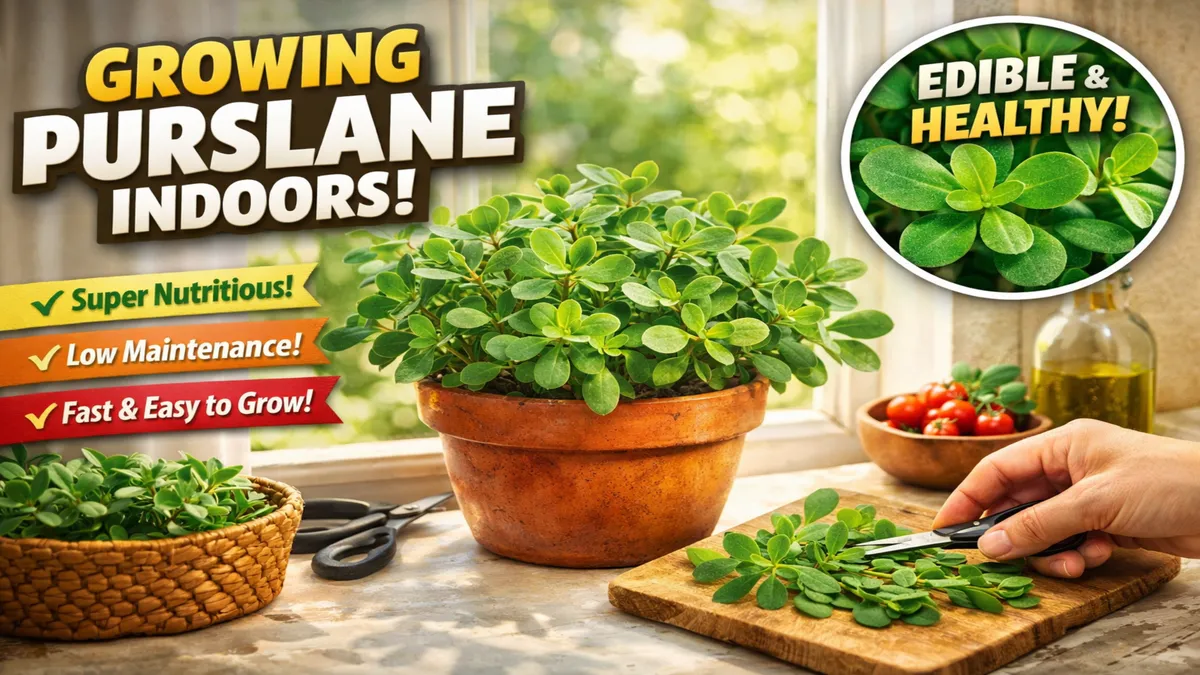
While purslane may look like a humble weed outdoors, indoors it becomes one of the easiest and most useful edible plants you can grow. I started growing purslane in a small sunny window mostly out of curiosity, and I was surprised at how quickly it adapted to indoor conditions. With its fleshy leaves, spreading habit, and low water requirements, purslane is perfect for apartments, kitchens, and novice gardeners. This guide covers real-world indoor care, benefits, and practical tips that actually work at home.
Quick Answer Box:
Related News



Can purslane grow indoors?
Yes. Purslane grows well indoors if given bright light, infrequent watering, and planted in well-draining soil. It's best suited for windowsills and balcony gardens.
What is purslane?
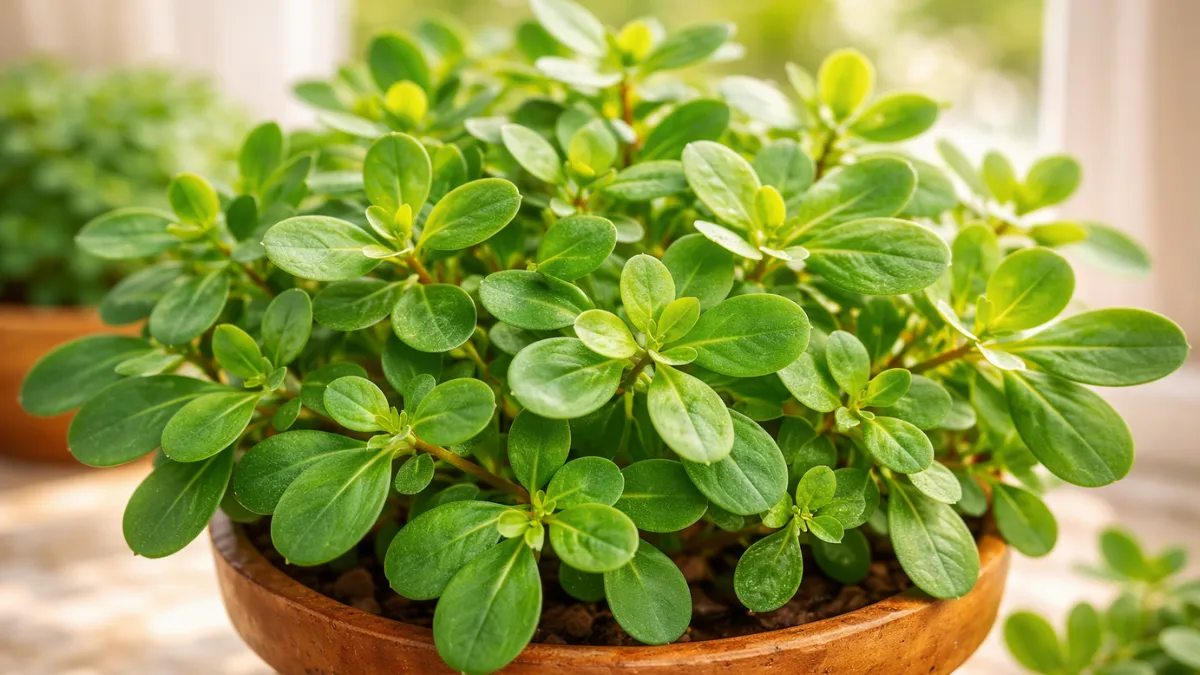
Purslane (Portulaca oleracea) is a low-growing succulent plant with smooth, oval leaves and reddish stems. Although it's often found outdoors, it adapts surprisingly well to indoor conditions.
People also search for:
• What is a purslane plant
• Edible purslane indoor plant
• Purslane weed vs. houseplant
Benefits of Growing Purslane Indoors
1. Highly Nutritious Edible Plant
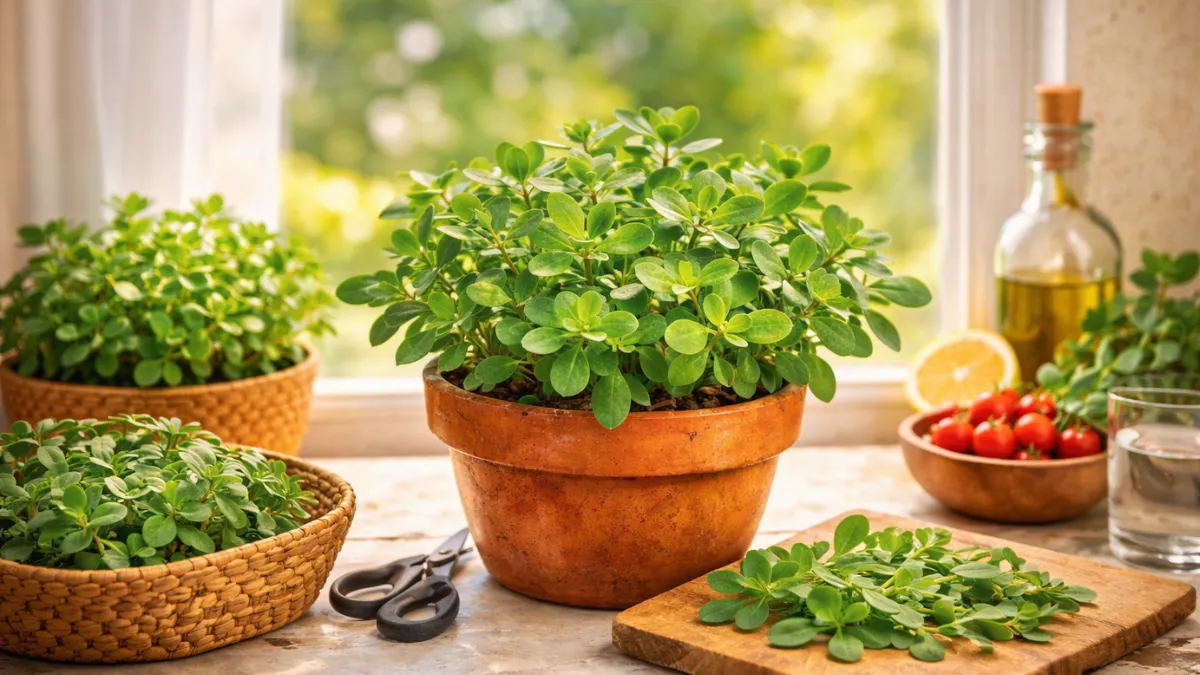
Purslane is rich in omega-3 fatty acids, antioxidants, vitamin A, and vitamin C. Growing it indoors means fresh, chemical-free leaves for salads and cooking.
2. Very Low Maintenance
If you often forget to water your plants, purslane is forgiving. Its succulent leaves store water, making it ideal for busy households.
3. Fast Growth and Easy Propagation
From cuttings to seeds, purslane grows quickly. I've successfully regrown it many times from just a few cuttings.
4. Spreading Growth Habit
Instead of growing tall, it spreads horizontally, making it perfect for shallow pots and hanging containers.
• Benefits of Purslane Plant
• Easy-to-Grow Edible Plants Indoors
Light Requirements for Indoor Purslane
Purslane needs bright light to thrive.
| Light Type | Result |
|---|---|
| Direct sunlight (4–6 hrs) | Best growth |
| Bright indirect light | Slow but healthy |
| Low light | Weak stems, pale leaves |
Best Location : South or west-facing windows are ideal.
• Light Requirements for Indoor Purslane
Watering Needs (Crucial)
Overwatering is the most common mistake. Water only when the top 1-2 inches of soil are dry.
• Overwatering leads to root rot.
What didn't work for me : Misting daily resulted in soft, mushy stems within a week.
• How Often to Water Purslane
Best Soil and Pot for Purslane
Use a well-draining soil mix, such as a cactus mix.
Ideal Mix:
• 60% Regular Potting Soil
• 40% Sand or Perlite
Always choose pots with drainage holes. Shallow terracotta pots work best.
• Best Soil for Indoor Purslane
Temperature and Humidity
Purslane prefers warm weather.
• Ideal Temperature: 65–85°F (18–29°C)
• Average indoor humidity is sufficient
• Avoid cold drafts and AC vents
How to Grow Purslane Indoors
From Cuttings (Easiest Method)
• Cut a healthy 4-5 inch stem
• Let it dry for a few hours
• Plant in soil and water lightly
• Roots will develop in 7-10 days. From Seed
Scatter the seeds on the soil surface, press lightly, and place in a warm location. Germination is faster in bright light.
• How to Grow Purslane from Cuttings
Common Problems and Solutions
| Problem | Cause | Solution |
|---|---|---|
| Yellow leaves | Overwatering | Reduce watering |
| Long weak stems | Low light | Move closer to window |
| Leaf drop | Cold stress | Increase warmth |
Is purslane safe indoors?
Yes, but quantity matters. Purslane contains oxalates, so avoid excessive consumption if you have kidney problems.
Limitations:
Purslane is not suitable for homes with very low light or no windows.
• Is purslane safe to eat?
Indoor Styling and Placement Tips
• Kitchen windows for easy harvesting
• Hanging pots for trailing growth
• Sunny balcony corners
Related articles:
Indoor Plants : Complete Beginner-to-Expert Guide (2026 Edition)
Final Thoughts
Purslane is one of those rare plants that gives more than it takes. It's edible, hardy, fast-growing, and requires minimal care. In my own indoor experience, it thrives best when slightly neglected – bright light, dry soil, and warmth are all it needs.
Written from real indoor plant care experience for IndoorPlantify.