

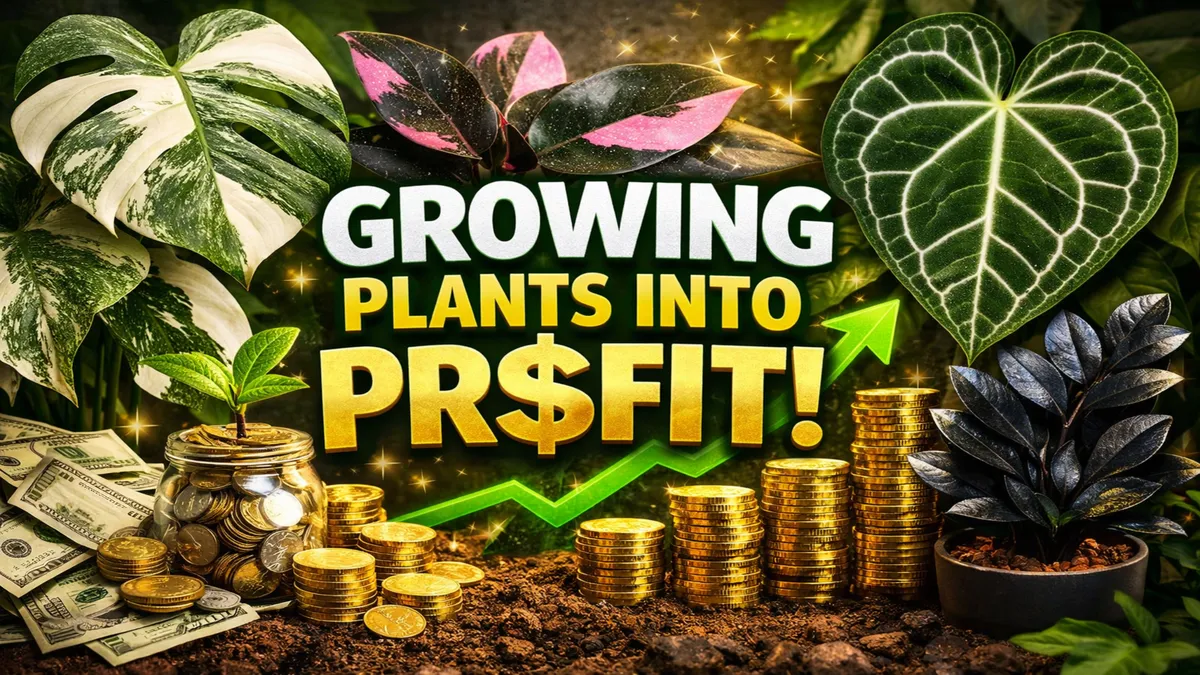
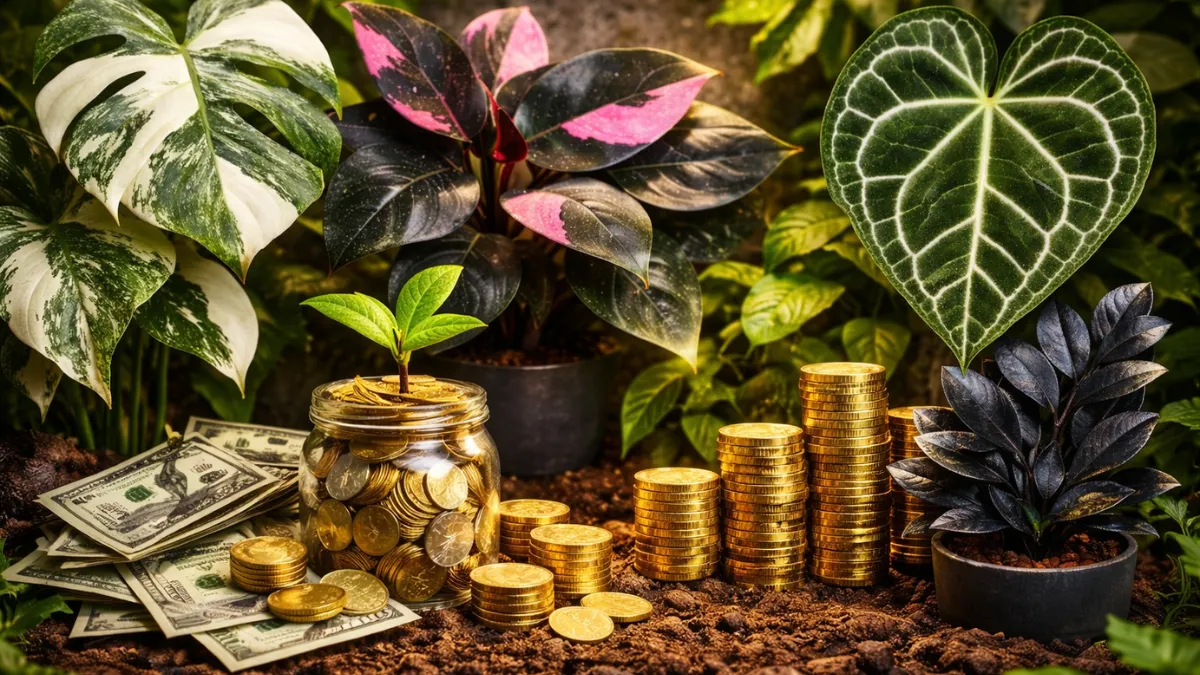
Many people keep plants indoors simply for decoration. But some plants gradually become more valuable over time. I learned this myself after years of growing plants at home. Rare indoor plants grow slowly, have limited supply, and become highly sought after by collectors. With a little care and patience, these plants can become long-lasting, thriving assets.
Related News


Quick Comparison:
Best for low light : Philodendron Pink Princess
Best for fast growth : Monstera Albo
Best for beginners : ZZ Plant Raven
Best for air purification : Anthurium Crystallinum
Why Do Some Indoor Plants Become Valuable?
Some indoor plants increase in value because they are difficult to find and grow slowly. When demand is high and supply is low, prices naturally rise. Many collectors also prefer larger, more mature plants, which take time to grow. This is why older, healthy plants often sell for significantly more than smaller ones.
Another factor is the plant's genetics. Unique leaf colors, patterns, or shapes cannot be easily replicated. Even with tissue culture, the value of the original plants remains. When you carefully cultivate a rare plant at home, you are adding age, size, and beauty to it.
Monstera Albo – The White Beauty Everyone Wants
The Monstera Albo is famous for its variegated white leaves. No two leaves look exactly alike, making each plant unique. Because the variegation is unpredictable, healthy specimens are always in high demand. A well-grown Monstera Albo can increase in value many times over in just a few years.
This plant requires bright, indirect light and a good dose of patience. Its growth is slow, but every new leaf increases its value. I've observed that with proper care, even small cuttings can grow into valuable plants.
Related Articles:
Best Indoor Plants Under ₹500 That Look Expensive & Grow Easily
Philodendron Pink Princess – Slow Growth, High Value
The Philodendron Pink Princess looks magical because of its pink patterns on dark green leaves. The pink color doesn't appear on every leaf, making balanced plants rare. Plants with consistent pink patterns are especially valuable.
This plant grows slowly indoors. But this slow growth is what contributes to its high price. Over time, a healthy Pink Princess becomes more beautiful and more valuable to collectors.
Anthurium Crystallinum – A Collector's Favorite Foliage Plant
The Anthurium Crystallinum is prized for its large, velvety leaves and silvery veins. It doesn't grow quickly, and mature plants are hard to find. Because of this, collectors are willing to pay good money for healthy specimens.
This plant loves humidity and gentle care. Once it's established, every new leaf adds to its beauty and value. Older plants look much richer than younger ones.
ZZ Plant Raven – Rare Color, Easy Care
The ZZ Plant Raven is different from the common green ZZ plants. Its leaves turn a deep black over time. This dark color makes it unique and valuable. Because it's still not very common, prices remain high.
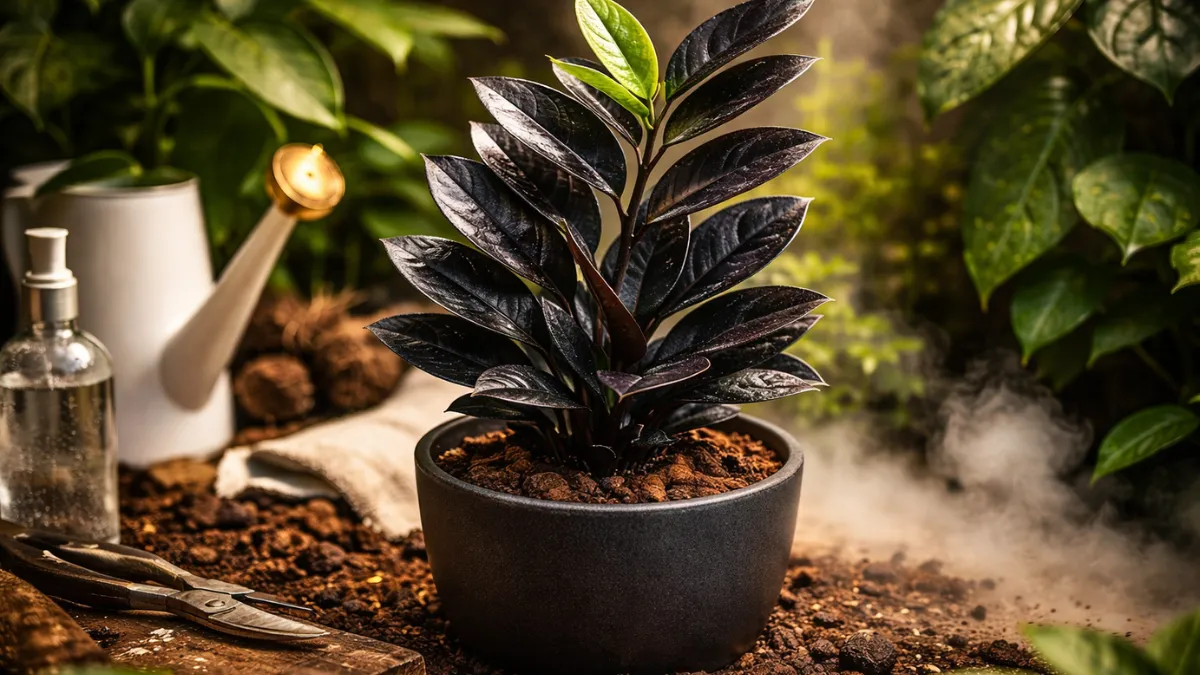
The best part is that it's easy to care for. Even beginners can grow it successfully. As the plant grows larger and bushier, its value gradually increases.
Related Articles:
Indoor Plants That Increase Home Value & Aesthetic Appeal
Alocasia Cuprea – Metallic Leaves That Stand Out
The Alocasia Cuprea has glossy, metallic-looking leaves that almost seem unreal. Because it requires special care and doesn't tolerate neglect, few people successfully cultivate it. This keeps the supply low.
Healthy plants with multiple leaves are rare in the market. If you can grow it successfully for an extended period, it can become a valuable plant for collectors.
Do rare plants really require more care?
| Care Point | Common Mistake | Simple Fix |
|---|---|---|
| Light | Direct sunlight burns leaves | Use bright indirect light |
| Water | Overwatering kills roots | Water only when soil is partly dry |
| Pot | Small pots restrict growth | Repot slowly, not too often |
| Patience | Expecting fast growth | Let plant grow at its own speed |
This table shows that rare plants aren't difficult. They simply require careful attention and patience.
How to maintain the value of rare plants when growing them
Always keep the plants healthy. Damaged leaves, pests, or root rot quickly decrease the value. Use clean pots and good quality soil. Avoid unnecessary pruning. Mature plants with a natural shape are more valuable than heavily pruned ones.
Also, don't rush to sell. The value increases over time. Even one extra year can make a significant difference in size and price.
Related articles:
Indoor Plants : Complete Beginner-to-Expert Guide (2026 Edition)
Final Thoughts
Rare indoor plants are not get-rich-quick schemes. They are slow, rewarding, and fulfilling. If you enjoy caring for plants, these rare varieties can become assets, both emotionally and financially. Cultivate them with patience, understand their needs, and enjoy the journey. Over time, you might be surprised at how valuable your tranquil green corner becomes.