

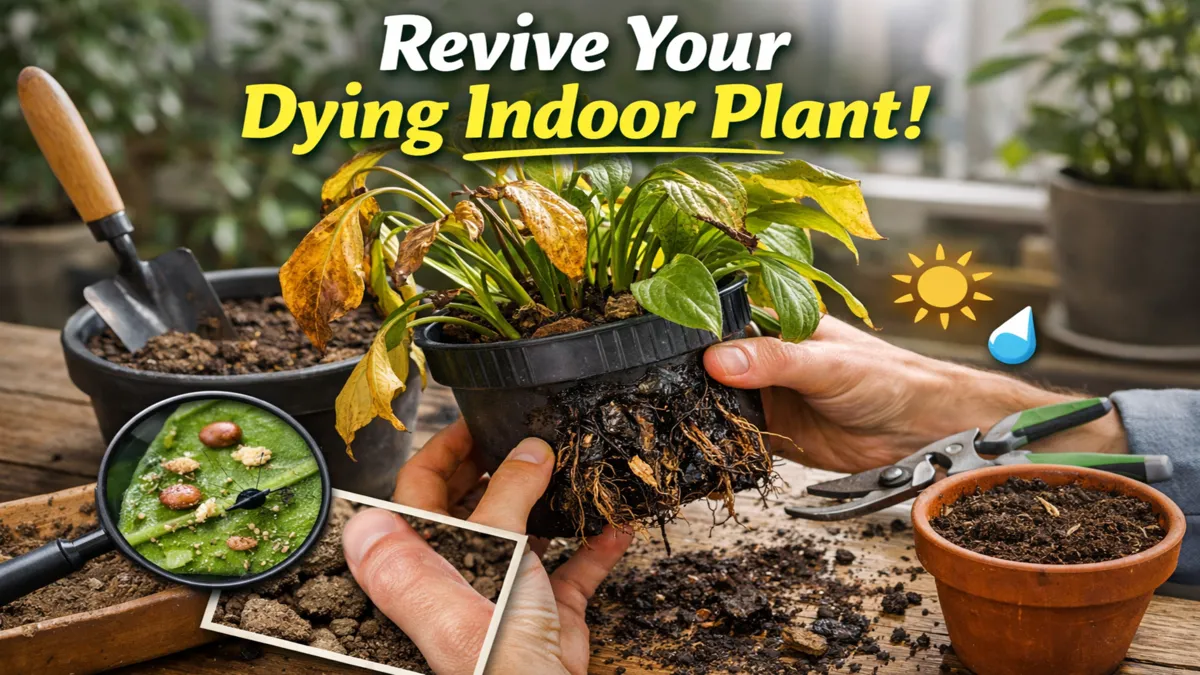
It can be frustrating to watch your indoor plant slowly wither. Leaves turn yellow. The plant looks weak and lifeless.
But the good news is that most indoor plants can recover if you take action quickly.
Related News
In many cases, the plant isn't dying. It's simply reacting to a problem around it. Once you identify and correct the cause, the plant often recovers.
This step-by-step guide will help you understand what's going wrong and how to bring your indoor plant back to life.
First, see if your plant is struggling.
Before trying to fix the problem, you need to observe what the plant is displaying.
Plants communicate through their leaves, stems, and soil conditions.
Common signs of a struggling indoor plant include:
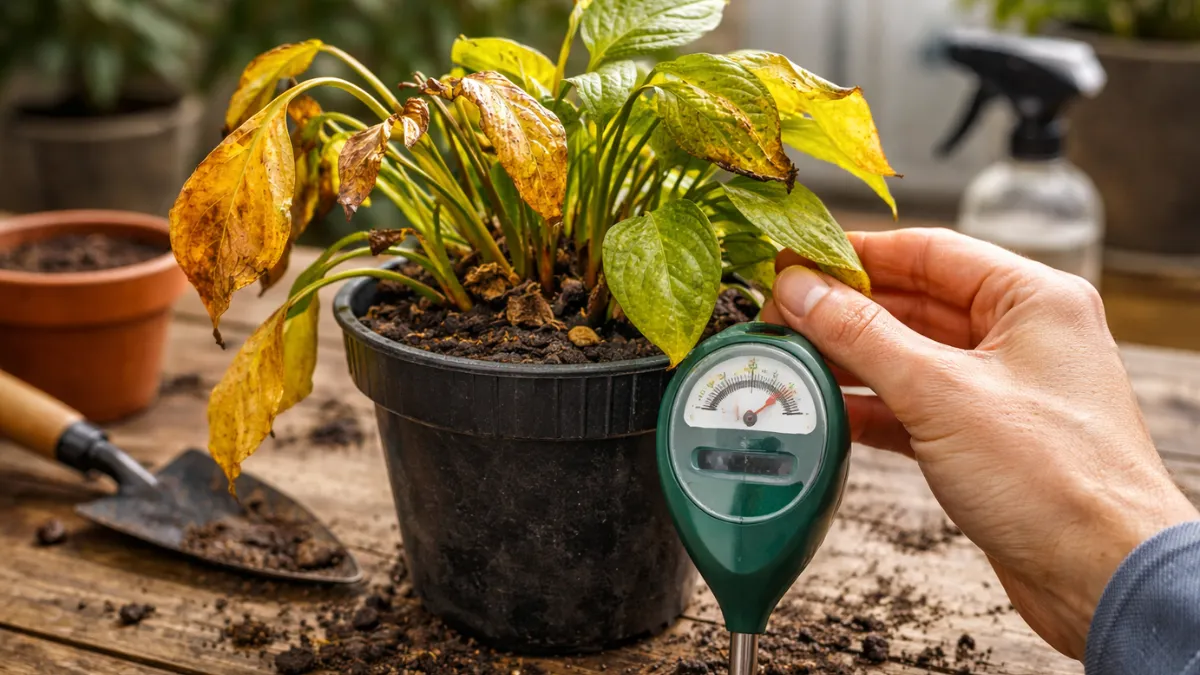
• Yellowing leaves
• Drooping or limp stems
• Brown leaf tips
• Soft or mushy stems
• Dry, crispy leaves
• Slow or stunted growth
In my experience, many people panic when they see yellowing leaves. But yellowing leaves simply mean the plant is stressed, not necessarily dying.
Understanding the cause is the key to recovery.
Step 1: Check soil moisture
Overwatering is one of the most common causes of indoor plant failure.
Put your finger about 2–3 cm into the soil.
• If the soil feels wet or soggy, the plant may have been overwatered.
• If the soil feels dry and dusty, the plant probably needs watering.
When soil remains constantly wet, the roots cannot breathe. Over time, this can lead to root rot.
On the other hand, excessively dry soil prevents the roots from absorbing nutrients.
Establish a watering schedule before doing anything else.
Step 2: Check the Roots
If your plant looks very weak, gently remove it from the pot and examine the roots.
Healthy roots often look:
• Strong
• Light brown or white
• Fresh and slightly moist
• Bad roots often look:
• Black or dark brown
• Soft
• Smelly
If you see rotten roots, carefully cut them off with clean scissors.
I once had a plant collapse because I ignored root rot for too long. By the time I checked the roots, most of them had already rotted.
Checking the roots early can save the entire plant.
Step 3: Adjust Lighting Conditions
Light is another major factor in plant health.
Some indoor plants require bright, indirect light, while others can tolerate less light.
If a plant receives too little light, you may notice:
• Slow growth
• Yellowing of leaves
• Stems bending
Move the plant to a window with natural light. However, avoid direct, bright sunlight unless the plant prefers it.
Too much sunlight can burn the leaves.
In my experience, simply moving a distressed plant to a brighter window often improves its condition within a few weeks.
Step 4: Trim off dead or damaged leaves
When a plant is stressed, it expends energy on maintaining damaged leaves.
Removing damaged leaves allows the plant to focus on new growth.
Use clean scissors or pruning shears and remove:
• Completely yellow leaves
• Brown or dead leaves
• Soft stems
• Don't remove too many leaves at once.
The plant still needs some healthy leaves to produce energy through photosynthesis.
Step 5: Improve Drainage
Poor drainage traps excess water in the soil.
If your pot doesn't have drainage holes, water can accumulate at the bottom and slowly damage the roots.
If necessary, repot the plant using:
• A pot with drainage holes
• Fresh, well-draining potting mix
• This simple change can make a big difference in the plant's recovery.
I made the mistake of placing a plant in a decorative pot without drainage holes. The soil remained wet for several days, and the plant began to collapse.
After repotting it in the correct pot, the plant gradually recovered.
Step 6: Check for Pests
Sometimes the problem isn't water or light. Small insects can attack the plant.
Look carefully under the leaves and around the stems.
Common indoor plant pests include:
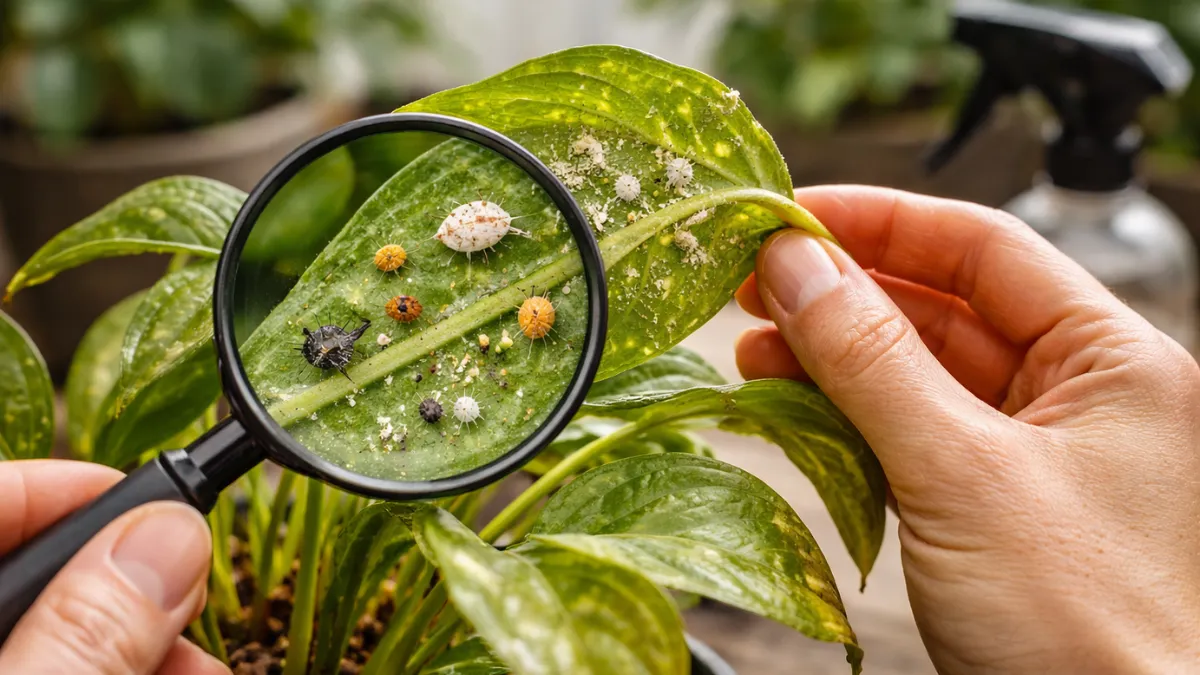
• Spider mites
• Mealybugs
• Aphids
If you see small insects or sticky residue, gently wash the leaves with water.
You can also wipe the leaves with a mild soap solution.
Removing the insects quickly prevents them from spreading and weakening the plant further.
Step 7: Be patient and avoid over-correcting
After fixing the main problem, the most important thing is to be patient.
Plants take time to recover.
Avoid making too many changes at once. Moving the plant frequently, repotting it frequently, or over-fertilizing can cause further stress.
Give the plant a stable environment and observe its growth.
In most cases, new leaves will appear within a few weeks.
How to Prevent Indoor Plants from Dying
Once your plant has recovered, simple habits can prevent further problems.
Care tips include:
• Water only when the top soil feels dry
• Provide adequate light
• Use pots with drainage holes
• Clean the plant's leaves occasionally
• Check the plant regularly for insects
When indoor plants' basic needs are met, they are surprisingly robust.
Related Helpful Articles:
Why Your Indoor Plants Are Dying Even With Watering Correctly – Experts Explain
Overwatering Is not the Problem : The Real Reason Your Plants Are Dying
Indoor Plants That Survive AC Rooms Without Dying
Final Thoughts
Reviving a dying indoor plant is often easier than people think.
Most plants fail due to minor issues like watering mistakes, poor lighting, or drainage problems. Once these issues are corrected, plants can recover surprisingly well.
In my experience, the best skill for caring for plants is careful observation. When you pay attention to small changes in the leaves and soil, you can spot problems before they become serious.
And sometimes, even experienced plant growers lose a plant. That's part of learning.
But with the right steps and a little patience, many troubled indoor plants can thrive again.
Written from real experience caring for indoor plants for IndoorPlantify.