

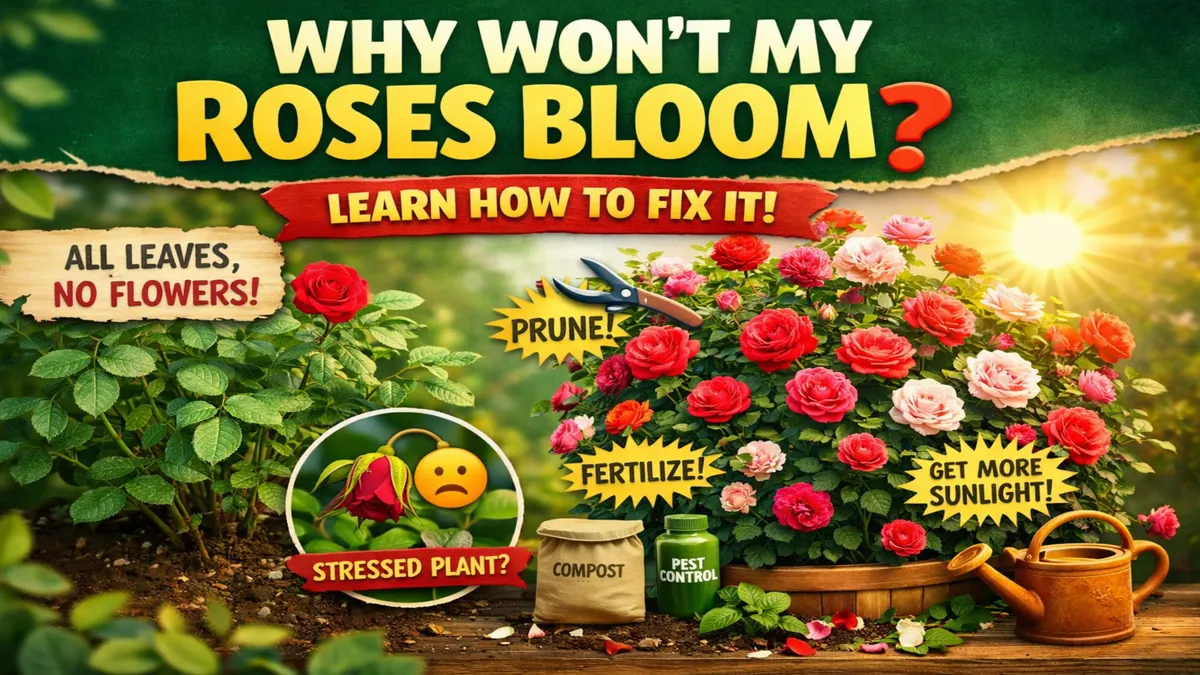
Many rose enthusiasts are thrilled when their plants produce beautiful blooms for the first time, but then the flowering stops. Even with regular watering and fertilizing, they see only green leaves and no buds. This can be incredibly frustrating for anyone growing roses at home.
Related News
Why does this problem occur?
Roses need a balance of nutrients and care to continue flowering. Often, after the first bloom, people don't realize the plant also needs pruning, fertilization, and adequate sunlight. Without these, the plant focuses on producing leaves instead of flowers.
Another reason is stress. If your rose experienced heat, cold, or overwatering during its initial flowering period, it may stop blooming to recover. The plant prioritizes survival, so bud formation ceases until conditions improve.
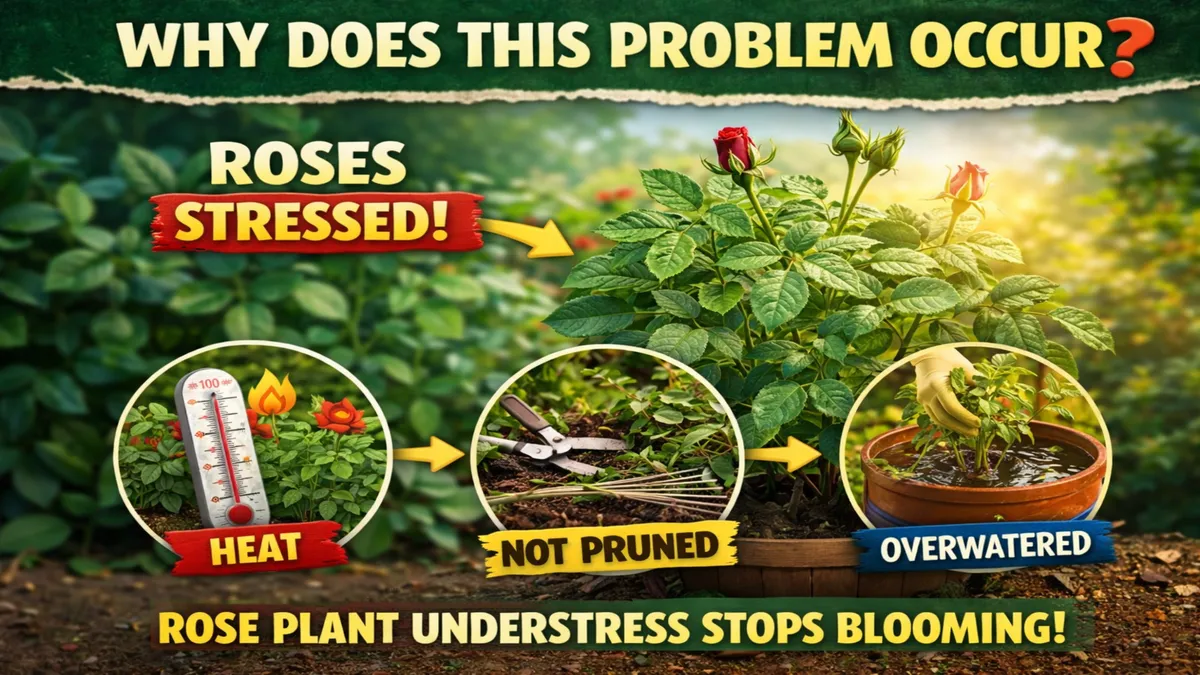
Signs that your plant is stressed
A clear sign is an abundance of new leaves but very few or no buds. Your rose may look healthy at first glance, but the lack of flowers indicates it's under stress and not ready to bloom again.
Examples
On small home balconies, roses often receive too much direct morning sun or suffer from waterlogged pots. Indoors, near a sunny window, you might see lush green leaves but no flowers due to poor air circulation. These seemingly minor conditions significantly impact flowering.
What Actually Works in Your Home
Your first step is to prune after the first bloom. Cutting off faded flowers encourages new buds to grow. Focus on pruning smaller stems and older branches so the plant can dedicate its energy to producing fresh blooms instead of maintaining old growth.
Next, fertilize your roses properly. Use a balanced fertilizer or a homemade mixture suitable for flowering plants. Water them consistently, but avoid waterlogging. Adjust the sunlight if your balcony or room is too hot or too shady for the plant's comfort.
Small Changes That Make a Big Difference
If your potted roses aren't blooming, try moving them to a slightly different location. Even minor adjustments to sunlight or airflow can encourage new buds. Sometimes, simply wiping dust off the leaves helps the plant photosynthesize more efficiently.
Mulching around the base with compost or dried leaves keeps the soil moist and cool. This small step reduces plant stress and increases flower production. These simple changes are very beneficial for roses grown indoors or in small garden spaces.
Common Mistakes People Make
One common mistake is over-fertilizing after the first bloom. More fertilizer doesn't always mean more flowers. Too much nitrogen can lead to rapid leaf growth but completely stop bud formation.
Another mistake is neglecting pruning. Roses that aren't pruned after the first bloom often develop unruly stems. This wastes the plant's energy, leaving fewer resources for producing new flowers.
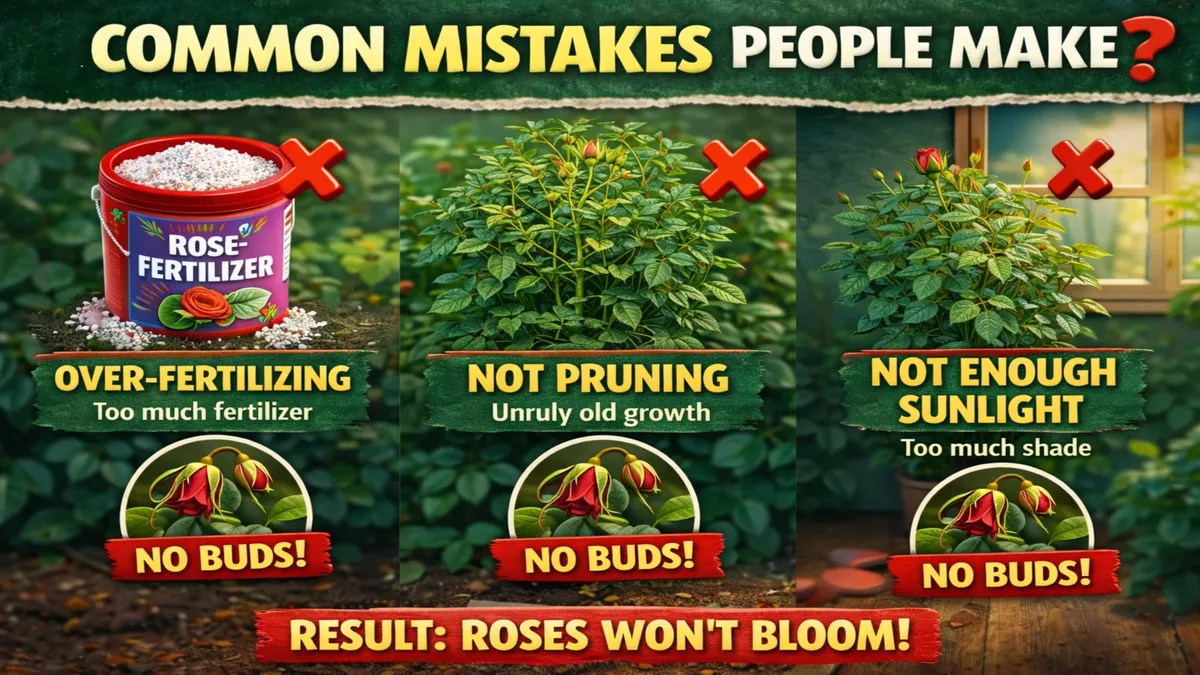
Not providing enough sunlight is also a common mistake. Roses need at least 4-6 hours of direct or filtered sunlight daily. Indoors, placing them near a window where they receive plenty of sunlight usually works best for encouraging frequent blooming.
Extra Tip: Keep an eye out for pests
Pests like aphids or spider mites can silently weaken rose bushes. These insects hide under the leaves and damage the plant's roots. If your rose leaves are curling or the stems feel sticky, check for pests. To get rid of them, gently treat the plant with neem oil or a soapy solution. Healthy plants are more likely to produce continuous blooms.
Conclusion
If your rose bush stops blooming after the first flush of flowers, don't worry. With proper pruning, fertilization, sunlight, and a little patience, it will bloom again. Maintain consistent, small acts of care daily, and your plant will reward you with a continuous display of beautiful flowers.