

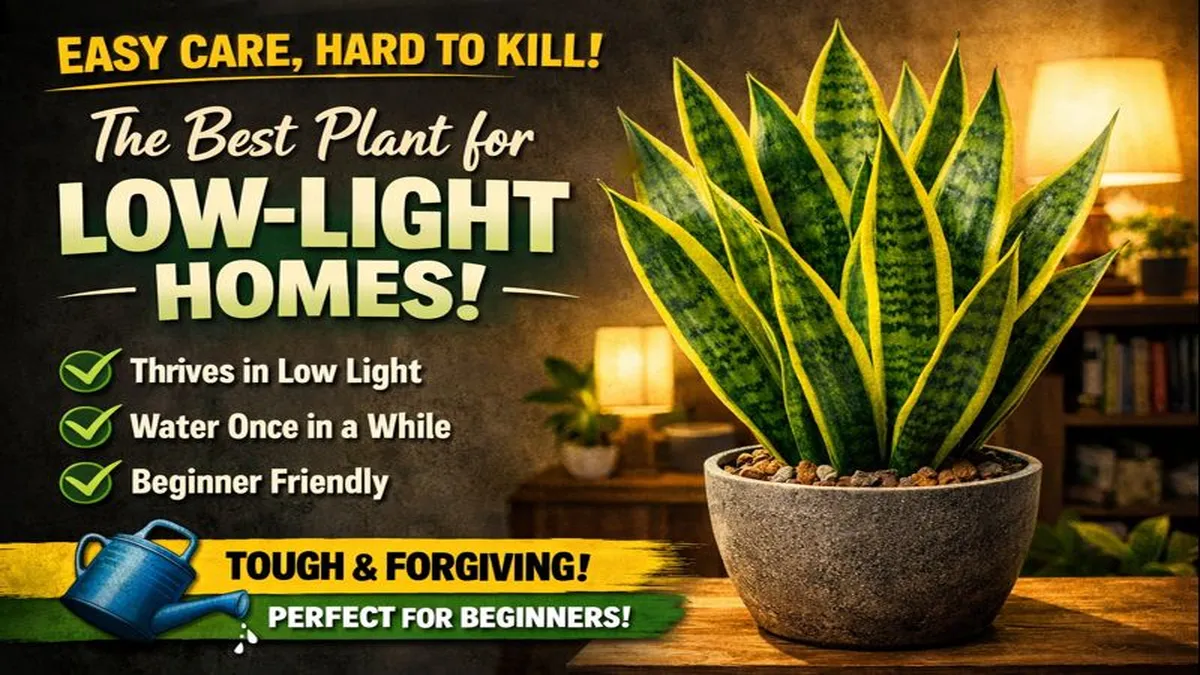
If you love plants but tend to forget to water them, the snake plant might be a little miracle for you. I brought my first snake plant home years ago to a low-light apartment, thinking it would struggle. Instead, it quietly endured everything—lack of watering, dim corners, even busy weeks. That's why this plant is perfect for beginners who want greenery without the daily stress or demanding care.
Quick Answer Box
Quick Comparison:
Best for Low Light : Snake Plant
Best for Fast Growth : Pothos
Best for Beginners : Snake Plant
Best for Air Purification : Snake Plant
Related News


Why the Snake Plant is Perfect for Low-Light Homes
The snake plant is one of those rare indoor plants that doesn't complain much. It can happily thrive in rooms that receive little to no direct sunlight. Many homes have limited natural light, especially in bedrooms or corners, and this plant adjusts easily without losing its charm.
Another reason beginners love it is its slow and steady nature. It doesn't require daily attention or constant checking. Even if you place it away from windows, it continues to grow peacefully, making it a stress-free option for first-time plant owners.
Choosing the Right Spot in a Low-Light Room
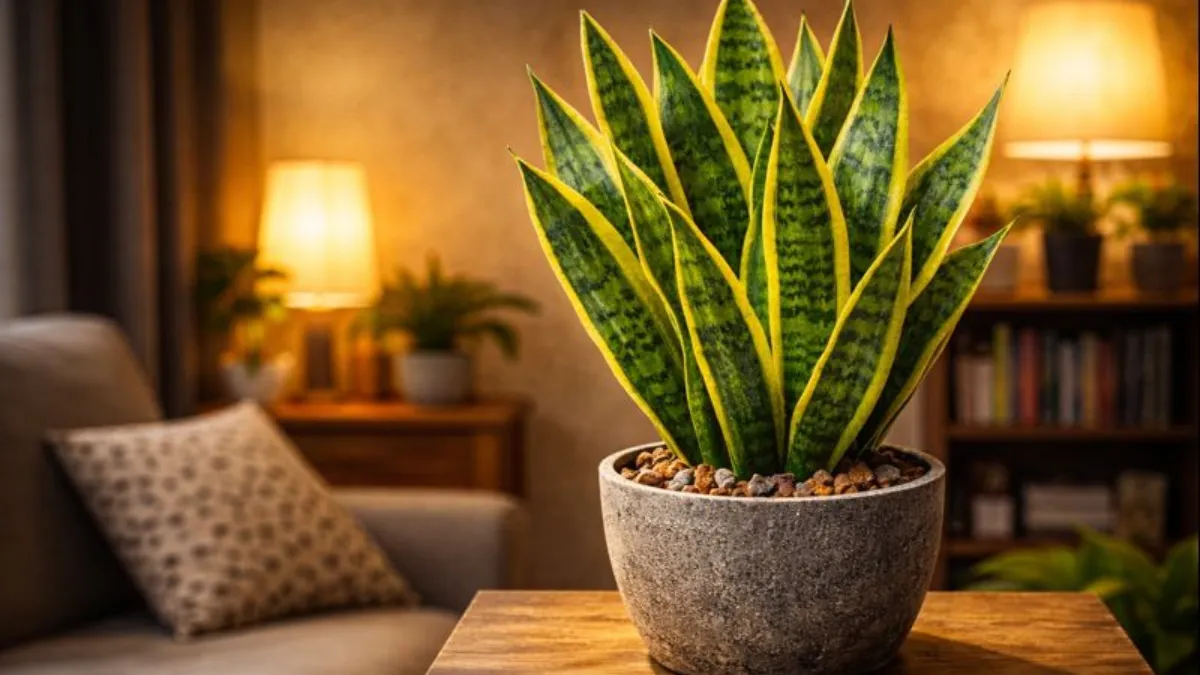
Even though snake plants tolerate low light well, location still matters. A bright corner with indirect light is ideal, but a shady room works just fine. Just avoid placing it in complete darkness, like a closed storage area, as this can significantly slow down growth.
Try placing it near a north-facing window or a few feet away from a bright balcony door. I've had my plant in a bedroom corner for years, and it stays healthy without any direct sunlight hitting the leaves.
Related article:
Spider Plant vs Snake Plant (2026): Which Is Better for Home, Bedroom & Health?
How Often Should You Water a Snake Plant?
Watering is where most beginners make mistakes. Snake plants store water in their thick leaves, so they don't need frequent watering. However, in low-light homes, the soil dries out even more slowly, meaning overwatering can quickly lead to root rot.
In the summer, watering once every 10-15 days is usually sufficient. In the winter, once a month may be enough. Always check that the topsoil is completely dry before watering again. It's always safer to underwater than to overwater.
The Best Soil and Pot for Healthy Growth
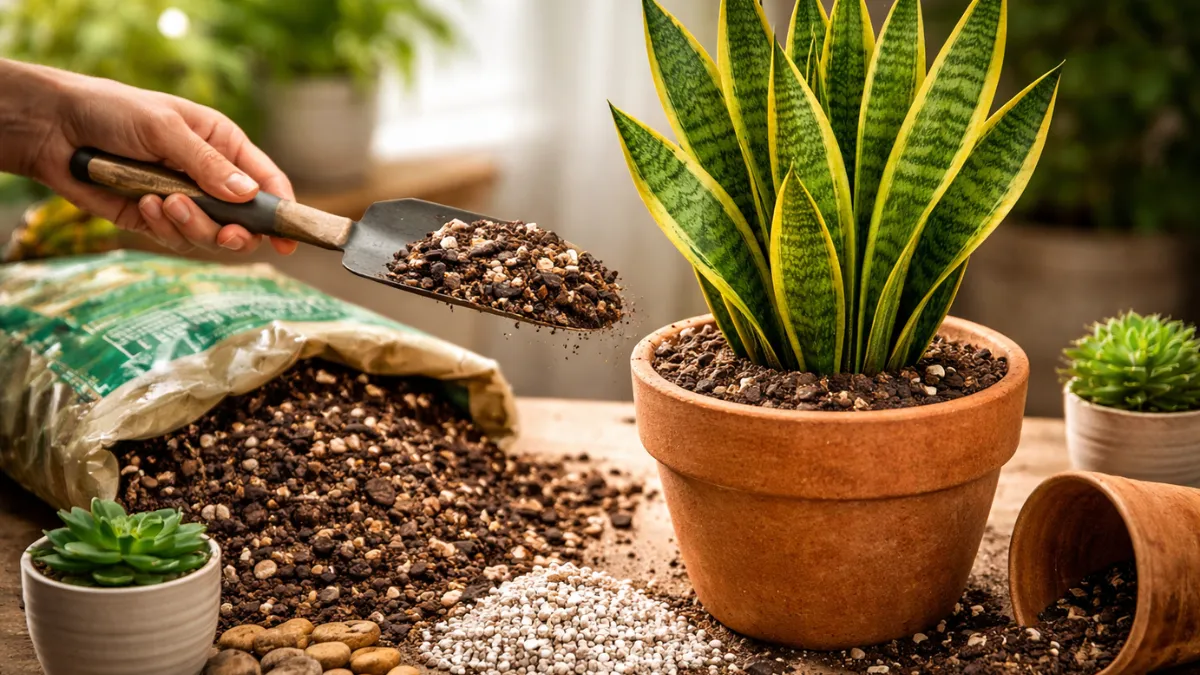
Snake plant roots prefer loose, well-aerated soil. A well-draining potting mix helps prevent water from sitting around the roots for too long. Regular garden soil often becomes too heavy indoors, which can lead to root rot over time.
Always use a pot with drainage holes at the bottom. In low-light homes, clay or terracotta pots work better than plastic ones because they allow excess moisture to evaporate slowly, keeping the roots healthy.
Common Beginner Mistakes and Easy Solutions
| Mistake | Easy Fix |
|---|---|
| Watering too often | Water only when soil is fully dry |
| Keeping in complete darkness | Place in indirect light area |
| Using no-drainage pot | Always use pot with holes |
| Over-cleaning leaves | Wipe gently once a month |
This simple table can save beginners from most snake plant problems. Most of the problems I've seen are due to over-caring rather than neglect.
Does a Snake Plant Need Fertilizer?
Snake plants don't need much feeding. Because growth is slower in low-light conditions, snake plants rarely need fertilizer. Too much fertilizer can damage the roots and cause problems with the leaves.
If you do choose to fertilize, only do so during the spring or summer. A light application of liquid fertilizer once every two months is sufficient. Many people don't use fertilizer at all and still enjoy healthy plants for years.
Leaf Care and Cleaning Tips
Snake plant leaves tend to collect dust over time, especially indoors. Dust prevents light absorption and can make the leaves look dull. Gently cleaning them keeps the plant looking fresh and allows the leaves to breathe through their pores.
Use a soft, damp cloth every few weeks. Avoid using leaf shine products, as they can clog the natural pores. Simple cleaning with water is all that's needed for healthy, shiny leaves.
Is the snake plant safe for beginners and homes?
The snake plant is hardy, easy to grow, and very forgiving for beginners. However, it is mildly toxic if ingested by pets. If you have cats or dogs, keep it out of their reach or choose a pet-safe plant instead.
For humans, it is perfectly safe to touch and handle. I often recommend it to busy families because it thrives even with minimal daily care.
Final Tips for Long-Term Success
The snake plant grows best when you leave it alone. Place it in low to medium light, water only when needed, and avoid moving it around too much. Over time, it will gradually grow taller and stronger without any special care. For beginners, this plant builds confidence and makes indoor gardening feel easy and enjoyable.