


The snake plant is often touted as the best plant for bedrooms, largely due to the claim that it releases oxygen at night. This claim has spread across numerous blogs, social media platforms, and even product labels. But how much of this is science and how much is just hype? I've grown snake plants in my bedroom, living room, and workspace for years, so I wanted to look beyond the headlines. Let's understand what actually happens at night and whether it truly matters in everyday indoor life.
Quick Answer:
Related News

Yes, snake plants do release a small amount of oxygen at night due to CAM photosynthesis. However, the amount is so negligible that it has no significant impact on the oxygen levels in a room.
What Makes Snake Plants Different at Night?
Snake plants belong to a group of plants called CAM plants. Unlike most plants that open their stomata during the day, these plants open them at night to minimize water loss. This is why people often ask if snake plants release oxygen at night. Technically, the answer is yes, but only in very small amounts that can only be measured in a lab, not in a bedroom.
The Science Behind Oxygen Release at Night
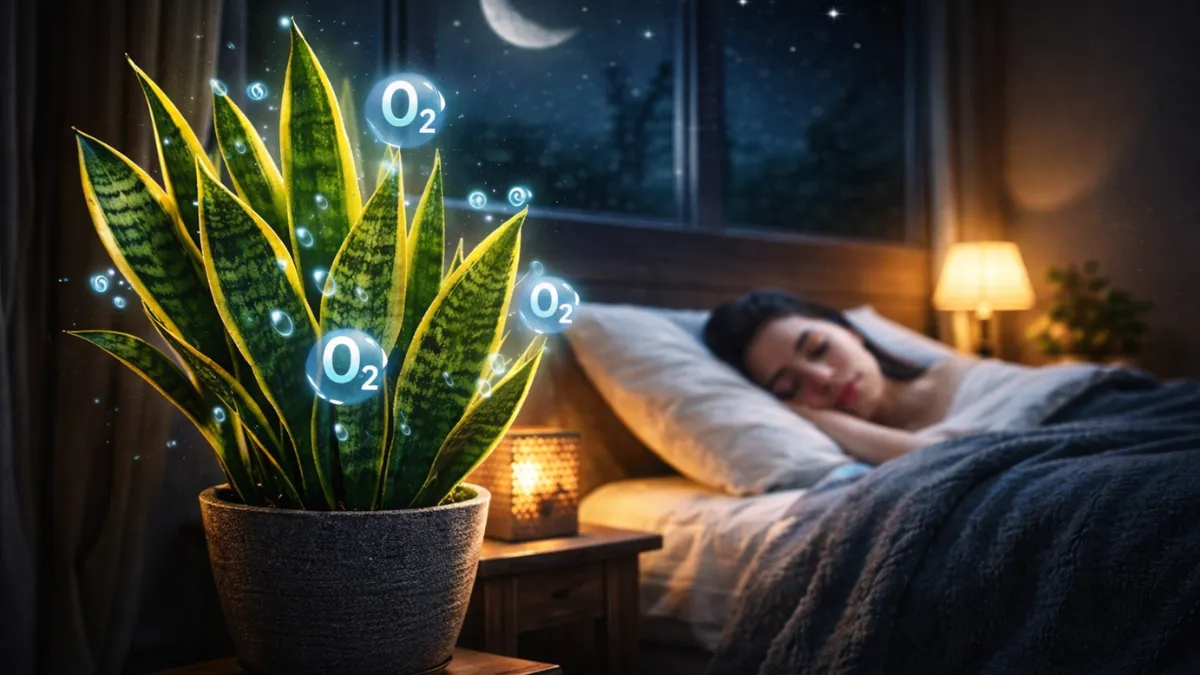
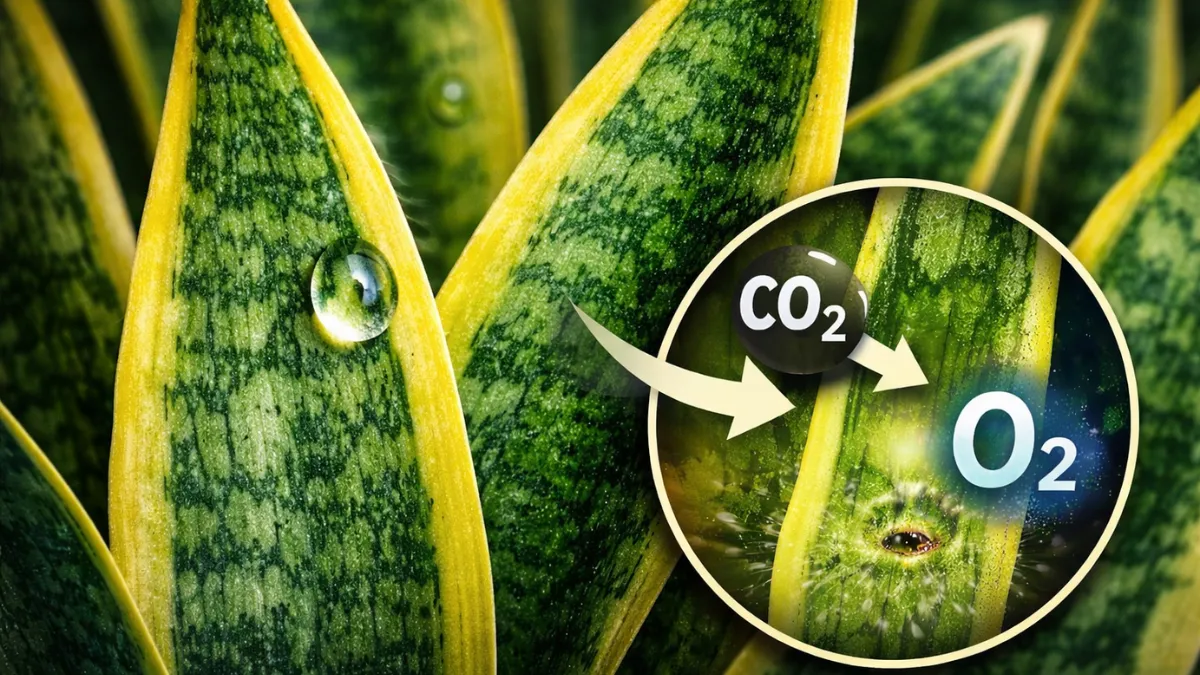
CAM photosynthesis allows snake plants to absorb carbon dioxide at night and store it for use during daylight hours. This process releases a limited amount of oxygen throughout the night. However, if you're wondering whether a snake plant can significantly increase oxygen levels in a bedroom, scientific data suggests that its effect is almost negligible compared to normal air circulation or simply opening a door.
Snake Plants vs. General Indoor Air Quality
Many readers also ask whether snake plants are good for indoor air quality. While snake plants are hardy and can tolerate low light conditions, their air-purifying effects are often exaggerated. While they may help reduce minor pollution in a controlled environment, they can never replace ventilation, air purifiers, or fresh air.
The Real Bedroom Experience with Snake Plants
In my own home, I kept two large snake plants near my bed for over a year. I didn't notice any significant change in my breathing or sleep quality. However, what did improve was the sense of peace and tranquility they provided. This supports the idea that the benefit of bedroom plants for better sleep is more psychological than chemical.
A Common Misconception You Should Know
A common claim is that snake plants can provide oxygen throughout the night. But this is simply misleading. If you're searching anywhere about whether it's safe to have snake plants in the bedroom, safety isn't the issue, expectations are. The plant won't harm you, but it won't act like an oxygen machine either.
Comparison : Snake Plant vs. Other Bedroom Plants
| Feature | Snake Plant | Areca Palm | Pothos |
|---|---|---|---|
| Oxygen at Night | Very low | None | None |
| Low Light Tolerance | Excellent | Moderate | Good |
| Maintenance | Very easy | Medium | Easy |
| Bedroom Friendly | Yes | Yes | Yes |
What Snake Plants Are Actually Good At
Snake plants are known for their incredible resilience. They survive neglect, low light, and irregular watering. Many people search for why snake plants are best for beginners because they are almost impossible to kill. This reliability makes them ideal for bedrooms where conditions aren't always perfect.
One Thing That Didn't Work
I once placed a snake plant in a completely dark corner, thinking it would thrive regardless. But its growth slowed considerably, reminding me that even hardy plants need some light to function properly.
Limitations You Should Be Aware Of
If your goal is to increase oxygen levels, plants alone won't do the trick. Anyone asking how much oxygen a snake plant produces should know that the output is biologically real, but practically negligible indoors.
Clarity of Purpose
Snake plants are best used for aesthetic tranquility, low-maintenance greenery, and psychological comfort, not as a substitute for fresh air or ventilation.
Also Read : Does Snake Plant Release Oxygen at Night? Myth vs Science
Written for IndoorPlantify from real indoor plant care experience.