

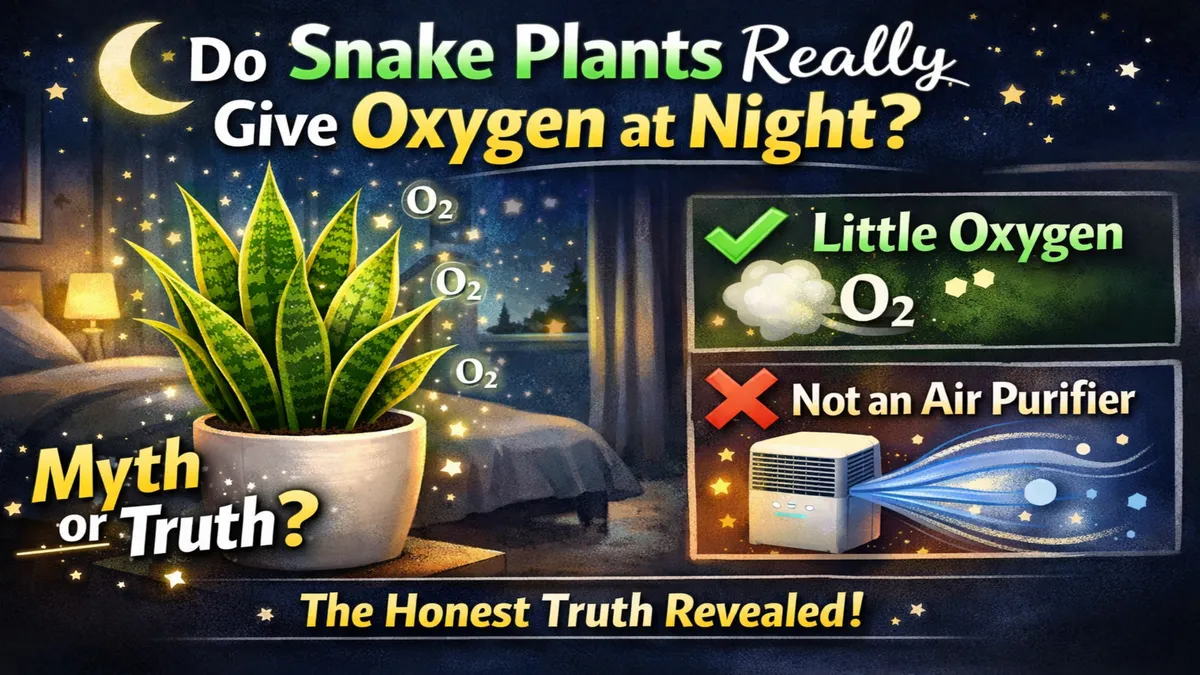
Yes, snake plant does release oxygen at night. It follows a process called CAM (Crassulacean Acid Metabolism), which allows it to absorb carbon dioxide and release small amounts of oxygen after sunset. However, the oxygen output is minimal and should not be considered a substitute for proper ventilation or an air purifier. While snake plants are excellent low-maintenance indoor plants, claims about dramatically improving sleep or air quality are often exaggerated.
Quick Answer Box
Quick Comparison:
Best for low light : Snake Plant
Best for fast growth : Spider Plant
Best for beginners : Snake Plant
Best for air circulation : Areca Palm
Related News



Why do people believe snake plants give off oxygen at night?
The snake plant is often described as an "oxygen-giving plant at night" in social media posts, videos, and even school projects. Many websites repeat this claim without fully explaining the meaning. And over time, this idea has become so common that people have stopped questioning it and accepted it as truth.
This belief mainly stems from a scientific term called CAM photosynthesis. But the problem is that people hear this term and think it means "lots of oxygen at night," which isn't entirely accurate. The science is a bit more nuanced.
What science actually says about snake plants
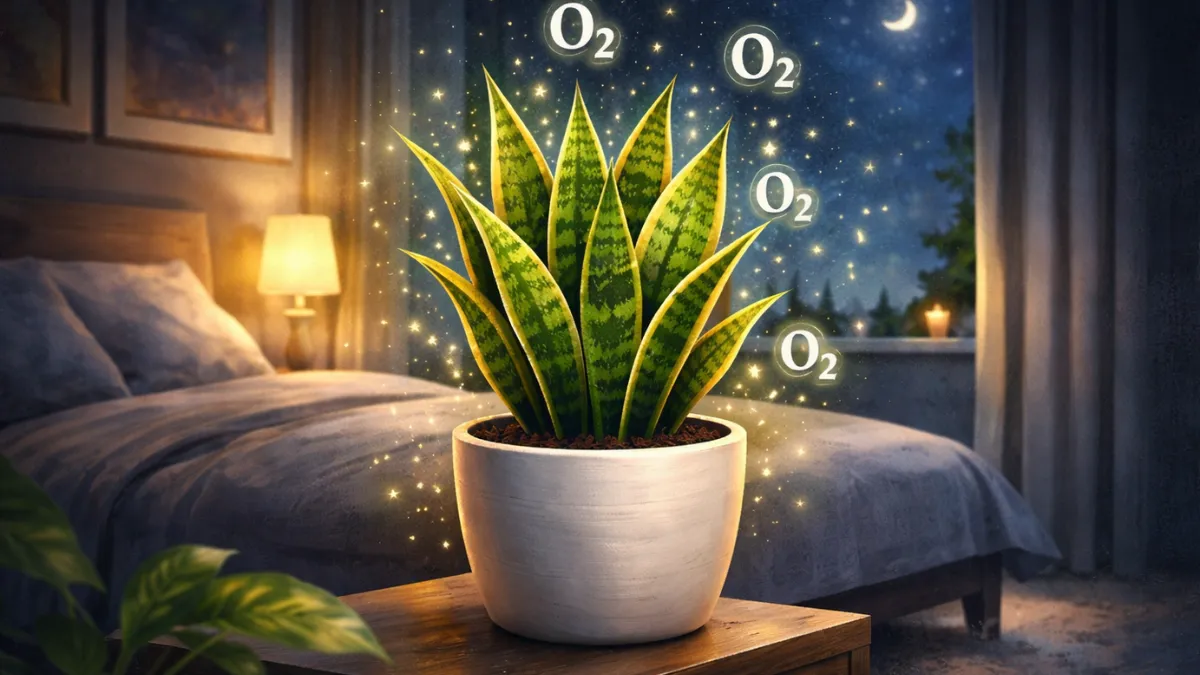
Snake plants follow a special process called CAM photosynthesis. This means they open the pores on their leaves mostly at night instead of during the day. Because of this, they take in carbon dioxide at night and slowly release oxygen.
However, the amount of oxygen released is very small. It's not enough to change the oxygen levels in a room or replace fresh air. And that simply means yes, oxygen is released, but not in any powerful or magical way.
Oxygen at Night Myth vs Reality Explained in Simple Terms
The biggest myth is that a snake plant can fill your bedroom with oxygen while you sleep. But in reality, the amount of oxygen released is so minimal that you won't notice any difference in your breathing or sleep quality because of the plant.
But this truth isn't negative either. Snake plants are still considered a very safe plant to keep in the bedroom. This is because they don't release harmful gases at night, and they help maintain a calm atmosphere indoors.
Also Read : Indoor Plants Safe for Asthma & Allergies (Truth Revealed)
Can a Snake Plant Improve Sleep Quality?
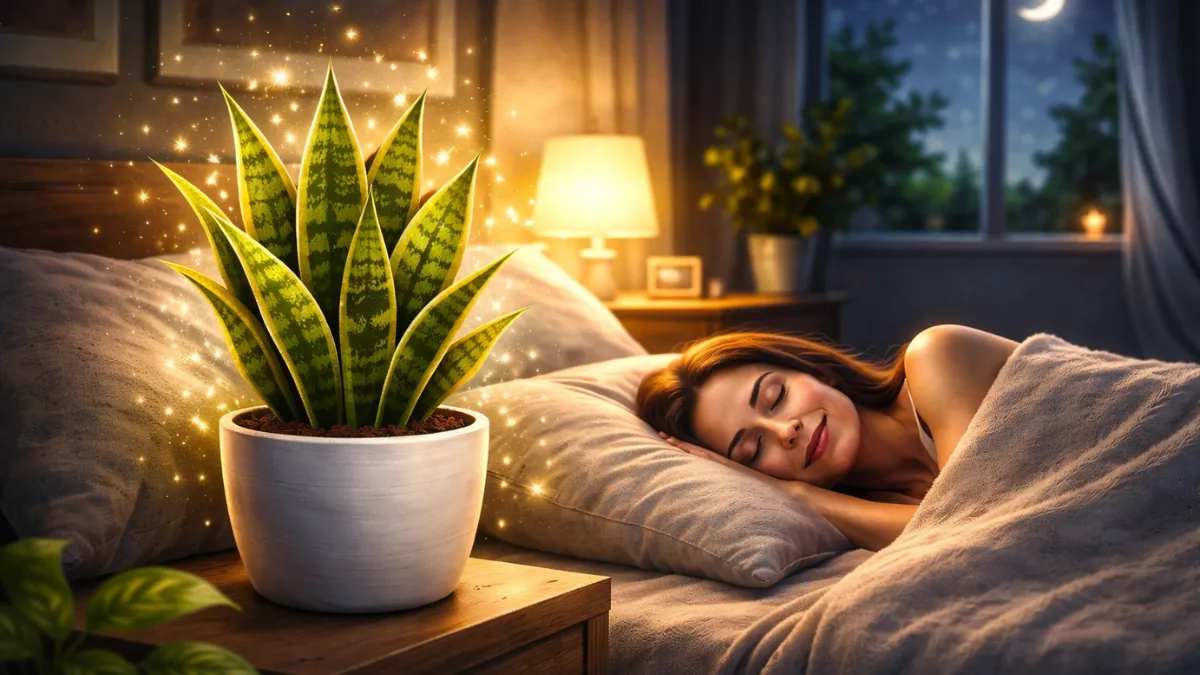
Improved sleep from plants mostly comes from mental relaxation, not from oxygen levels. A green plant near your bed makes the room feel peaceful and refreshing. This calming feeling can help reduce stress, which indirectly contributes to better sleep.
From my own experience, having a snake plant in the bedroom feels nice and comforting. But I never expected it to act like an air purifier or an oxygen machine. It's more about comfort than chemistry.
Snake Plants vs. Other Bedroom Plants
Some plants are better for humidity, while others help with dust or freshness. The snake plant is popular because it requires very little care and survives in low light. But it's not the only good bedroom plant.
Here's a simple comparison to clear up the confusion:
| Plant Type | Oxygen at Night | Maintenance | Bedroom Friendly |
|---|---|---|---|
| Snake Plant | Very low amount | Very easy | Yes |
| Areca Palm | Daytime only | Medium | Yes |
| Spider Plant | Daytime only | Easy | Yes |
| Peace Lily | Daytime only | Medium | Yes |
This table shows that no common indoor plant produces significant amounts of oxygen at night.
Is it safe to keep a snake plant in the bedroom?
Yes, it is perfectly safe. This is because snake plants do not release harmful amounts of carbon dioxide at night. In fact, they are one of the hardiest indoor plants and rarely cause any problems.
Just one thing to keep in mind is that the snake plant is mildly toxic to pets if they chew on it. If you have cats or dogs, keep the plant out of their reach. However, it is perfectly safe for humans.
Related article:
Spider Plant vs Snake Plant (2026): Which Is Better for Home, Bedroom & Health?
Why You Should Still Keep a Snake Plant Indoors
Even without the oxygen myth, snake plants are one of the best indoor plants. They tolerate low light, irregular watering, and indoor conditions very well. They also help reduce some indoor pollutants over time.
From my own experience at home, this plant survives where many other plants fail. This reliability is the real reason it deserves a place in homes, not the claim of releasing oxygen at night.
Final Thoughts Don't Let a Myth Ruin a Good Plant
The idea that snake plants release oxygen at night is partially true but has been greatly exaggerated. Science shows that the amount is very small and not life-changing. Nevertheless, the snake plant is a fantastic, low-maintenance indoor plant that brings peace and greenery to your home. Keep it for its hardiness and beauty, not for unrealistic promises.