


Many snake plant owners become frustrated when their plant stops growing for several months. You might be watering it correctly, adjusting the sunlight, and yet nothing seems to change. I've experienced this problem myself, and understanding the real reasons makes caring for your plant much easier.
Why this problem actually occurs:
Snake plants are naturally slow growers, so many people mistakenly think their plant isn't growing at all. Their growth also slows down during the colder months or in low-light conditions. People often assume something is wrong, but this might simply be normal for your home environment.
Related News



Another reason could be the soil and pot. Compacted soil or a pot that's too small can put a lot of stress on the roots. Roots need space to breathe, and if they are constricted, the plant will naturally slow its growth until conditions improve.
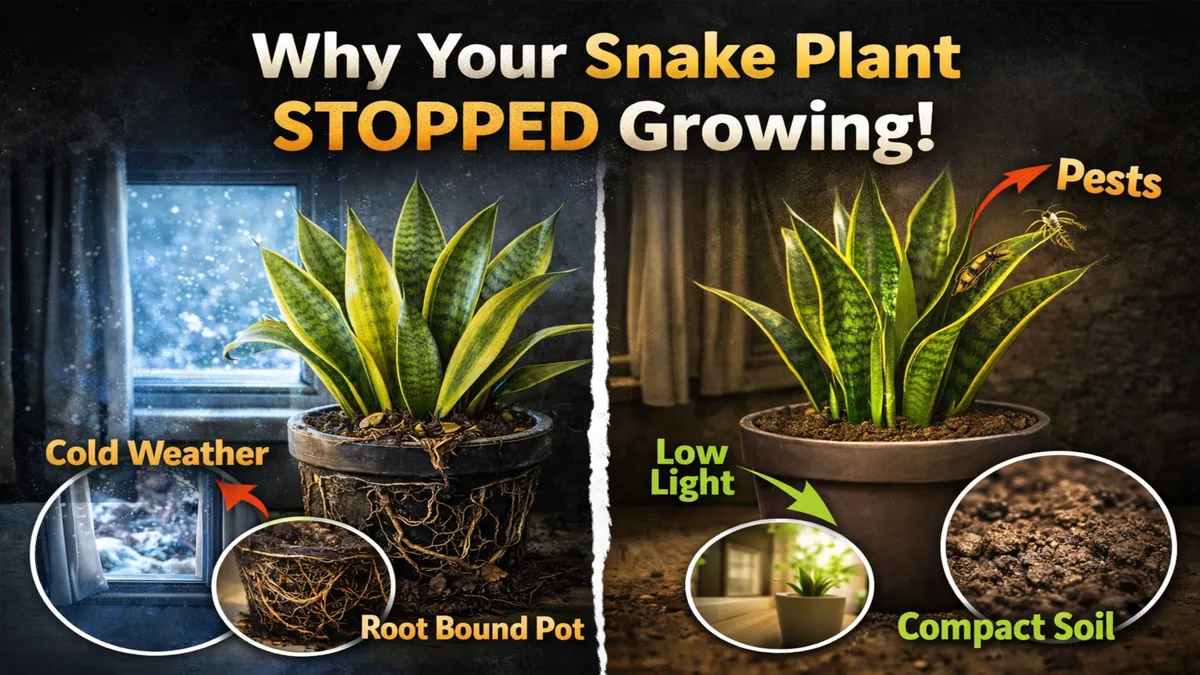
Signs That Your Plant Is Stressed
You're watering regularly, yet new shoots have stopped appearing on the leaves. Older leaves may look yellow or slightly shriveled. A healthy snake plant's leaves will still be firm, and some new growth will be occurring, even if slowly.
Example
In my living room, one snake plant stopped growing because it was placed near a north-facing window. Another plant, in a slightly larger pot, thrived despite the low light. The difference was due to small adjustments, not some magic trick.
Also Read : Why Snake Plant Is Called the Night Oxygen Machine — The Trend Everyones Talking About!
What Actually Works in Your Home
Snake plants thrive with natural light, proper watering, and occasional fertilization. But avoid changing everything at once; consistent care works best. Sometimes simply moving the plant closer to a light source or trimming off older leaves will encourage it to start growing again naturally.
Small Changes That Make a Big Difference
If your snake plant is root-bound, try repotting it into a slightly larger pot. Water it only when the soil is dry, usually just once or twice every 2-3 weeks. Provide it with natural sunlight and gently wipe dust off the leaves. These small changes often restart your snake plant's growth without any fuss.
Common Mistakes People Make
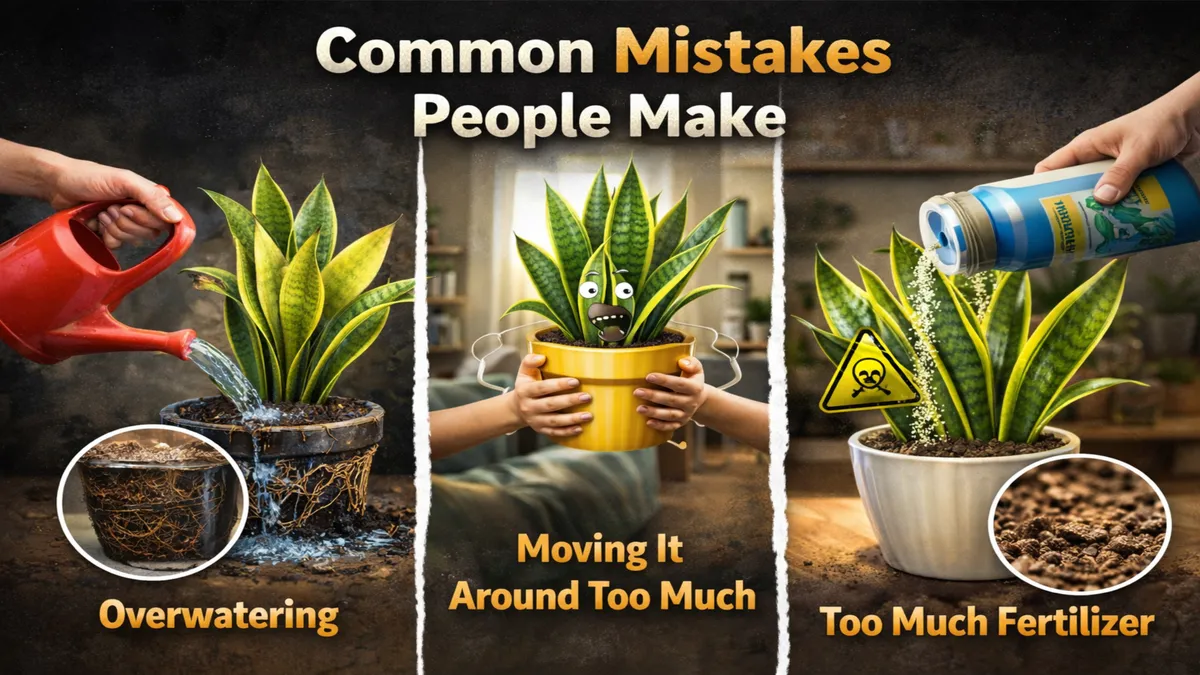
Overwatering is considered the biggest mistake. Because snake plants store water in their leaves, overwatering can cause root rot. Another common mistake is moving the plant around too much. They prefer a stable environment. Too much fertilizer can also slow down growth instead of helping it.
Some people expect rapid growth and panic when the plant stops growing. Growth is seasonal. Comparing your plant to others can lead to unnecessary worry. Patience and consistent care are more effective than frequent interventions.
Also Read : Your Snake Plant Is Tall But Weak : Heres What Nobody Told You
When to Check for Hidden Problems
If the plant's leaves are soft or have a foul odor, it might have root rot. Also, check for pests: insects like mealybugs or spider mites can hide on the undersides of the leaves. In such cases, handle the plant gently, clean the leaves, and allow it to recover slowly without overwatering.
A Calming Conclusion
Snake plants grow at their own pace. It's perfectly normal for new leaves not to appear for a few months. Just focus on providing consistent care, the right light, and patience. When the conditions are right, your plant will gradually start producing new leaves. No need to rush, just consistent love and care will do the trick.
Also Read : Snake Plant vs ZZ Plant : Which Indoor Plant Survives Your Apartment Best?