

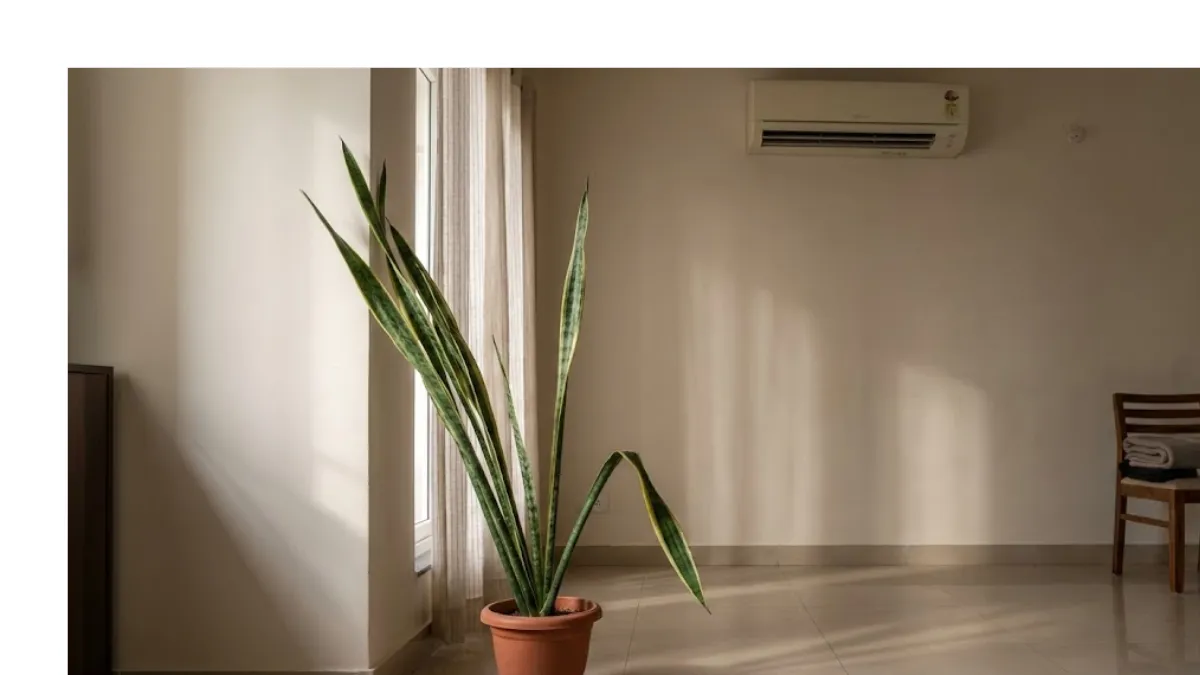
If your snake plant is growing tall but weak, falling over, or bending sideways, it is usually a sign of improper growing conditions. While snake plants are hardy, they still need the right balance of light, water, and soil to grow strong leaves. Many beginners unknowingly make small mistakes that cause weak and leggy growth. In this guide, we explain the most common reasons why a snake plant becomes tall but weak and share simple, practical solutions to help it grow upright and healthy again.
Quick Answer:
A snake plant grows tall but weak due to low light, overwatering, poor soil drainage, or lack of nutrients. Improving light exposure, adjusting watering, and using well-draining soil can help the plant grow strong and upright.
Why Is My Snake Plant Tall but Weak?
Most people don't realize that a tall, weak snake plant is not a sign of success. It's a warning. Your plant is trying to tell you something, but you're not understanding its message.
Read this before buying or growing this plant.
Related News



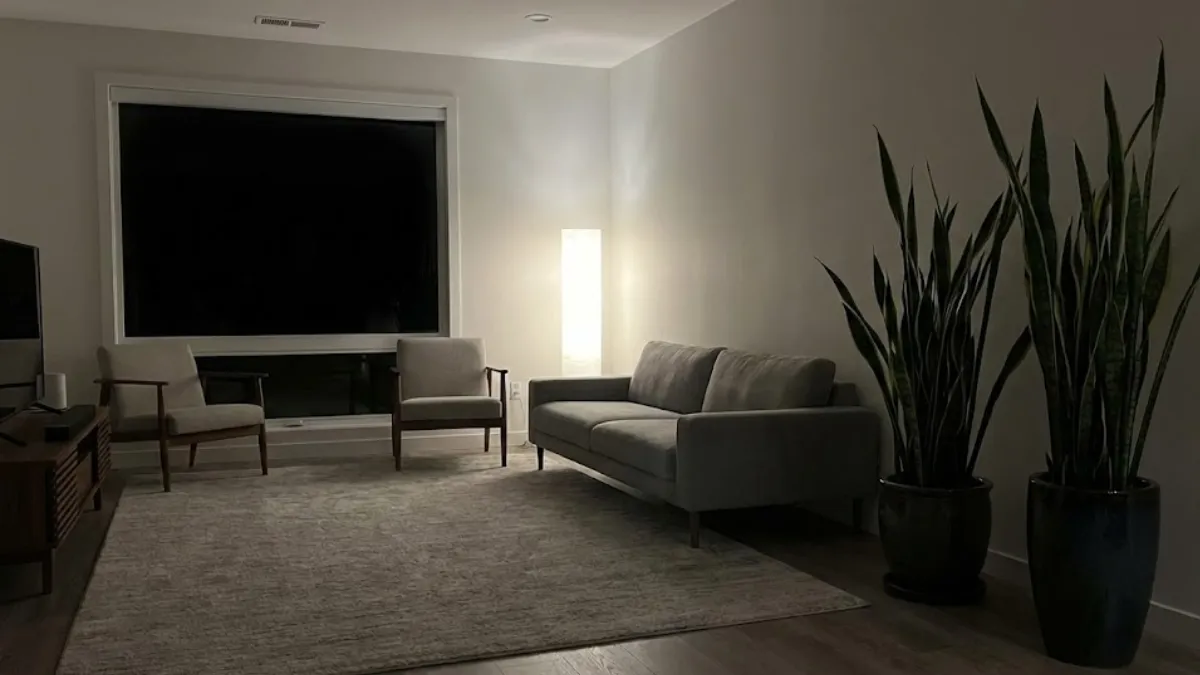
7 Common Reasons Snake Plant Grows Weak
• Low light exposure
• Overwatering
• Poor soil drainage
• Lack of nutrients
• Small or overcrowded pot
• Improper support
• Natural aging of leaves
Also Read : Snake Plant in Bedroom: 30-Day Real Experience (Sleep, Air & Health Results)
How to Fix a Weak Snake Plant
• Improve light conditions
• Correct watering routine
• Repot with proper soil
• Provide support if needed
Why is this happening all of a sudden?
If you search "snake plant tall but weak" today, you'll understand why Google is suddenly showing this everywhere. It's because almost every plant parent is facing this problem, which is why this query is currently trending on Google.
People are searching this plant for the wrong reason.
Snake plant is trending because :
• New flats have low light
• AC rooms are used all day
• People want “low maintenance” plants
• Offices and bedrooms are buying snake plants in bulk
Earlier, people only cared if the plant survived.
Now they are noticing how it grows.
And suddenly, everyone is seeing the same problem:
Tall leaves, thin body, no strength.
This is not a new disease.
It’s a home-environment issue that is now visible everywhere.
Important update don’t skip this.
Snake plants react slowly. By the time they look weak, the problem started months ago.
Also Read : Is Keeping Snake Plant Near a Window a Big Mistake? Light Truth
What most people are getting wrong
Common misunderstanding
Most websites say
Snake plant grows well in low light.
That line is half true. And half dangerous.
Yes, snake plant survives in low light.
But surviving and growing strong are not the same thing.
In low light, snake plant stretches itself to find light.
This makes leaves tall but hollow inside.
So what you see is height without strength.
This part is often misunderstood.
Why advice online fails in real homes
Online advice is written for:
• Bright rooms
• Open windows
• Homes without AC all day
But Indian homes are different.
Closed flats.
Curtains drawn for heat.
AC running 8–10 hours.
Balcony light blocked by other buildings.
In these homes, the same advice fails quietly.
Many people compare this with ZZ plant or money plant, but snake plant reacts very differently.
Signs this plant behaves differently in homes
AC room example
Snake plant in AC room often shows:
• Tall growth in one direction
• Leaves bending towards window
• Slow new leaf formation
Cold air dries moisture from leaves.
Low light slows strength building.
So the plant grows long, not thick.
Should you move it or wait?
Waiting usually makes it worse.
Low light / flat / apartment example
In flats, snake plant often sits:
• 6–10 feet away from window
• Behind curtains
• In corner for decoration
It looks fine for months.
Then suddenly, leaves flop.
This delayed reaction confuses people the most.
This plant was fine earlier, why now?
Because snake plant stores stress slowly.
What actually works in real Indian homes
This is based on years of growing snake plants in flats, not theory.
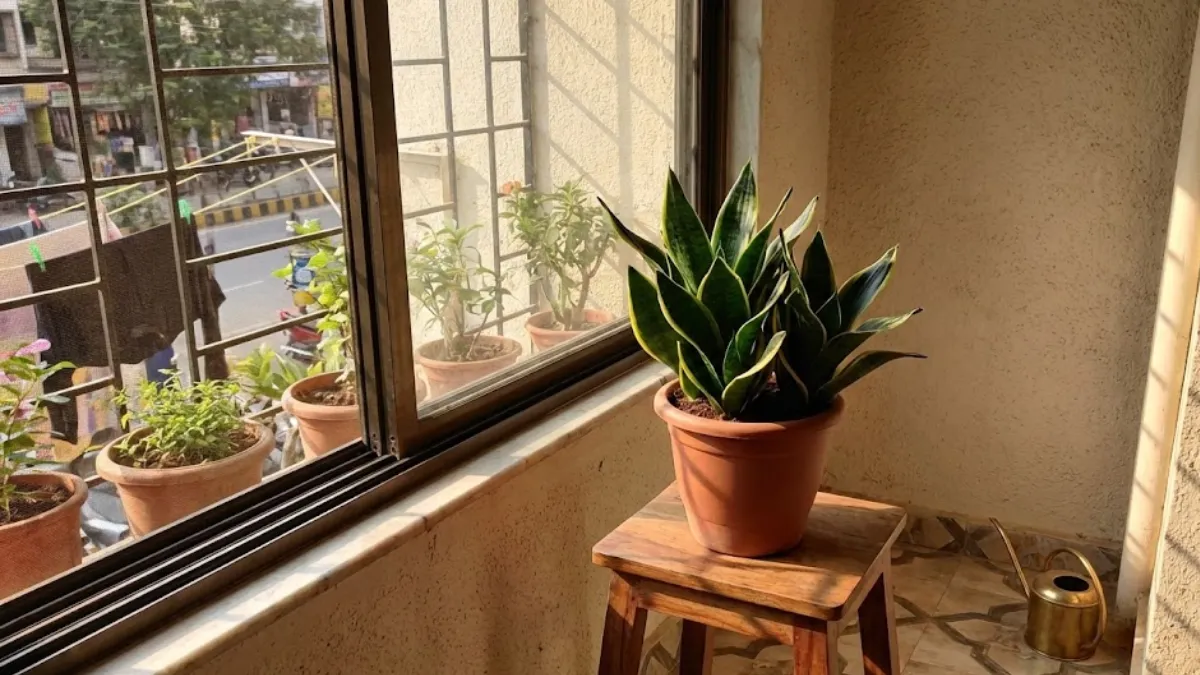
Small adjustments that change everything
• Give morning light, not dark corners
• Rotate the pot every 10–15 days
• Keep it closer to window, not inside room
• Use slightly heavier soil, not airy mix
Even 30–45 minutes of direct morning light helps more than all-day low light.
So what actually goes right after this?
New leaves come shorter but thicker. That’s success.
What to ignore completely
Ignore advice like these :
• Snake plant grows anywhere
• No light needed
• Perfect bedroom plant without window
These lines create weak plants.
Important update don’t skip this.
Fertilizer does not fix weak growth caused by low light.
Mistakes people repeat even after reading guides
This happens even to careful plant parents.
• They increase watering instead of light
• They add fertilizer to weak leaves
• They stake leaves instead of fixing cause
• They think tall growth means healthy
I’ve done this mistake myself in early years.
• Staking only hides the problem.
• The plant remains weak inside.
• Most homes misunderstand this part.
Soft conclusion
A tall snake plant is not always a happy snake plant.
Strength matters more than height.
Once you understand how your home light, AC, and space affect this plant, it becomes very easy to fix. No stress. No panic.
Snake plant is forgiving.
But it silently asks for light and balance.
Understand it, don’t fear it.