

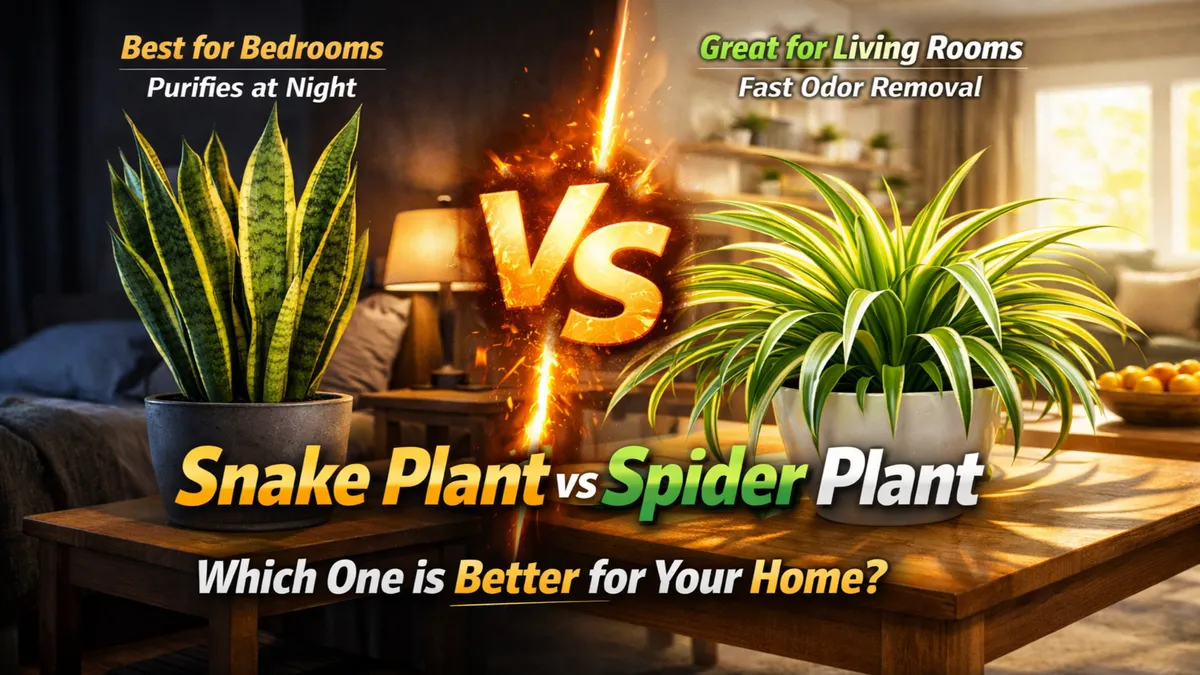
You might think the air inside your home is clean, but dust, odors, and trapped pollutants gradually accumulate, especially in enclosed spaces. Many people bring plants into their homes for fresh air, but they forget that not all plants perform the same way. Snake plants and spider plants are two of the most popular choices, often praised for their air-purifying benefits. Based not on lab studies, but on real-world home use, this comparison examines how each plant actually performs indoors and which is better suited for your space.
The Short Answer:
Related News



Snake plants are better for low-light rooms and nighttime air purification, while spider plants perform better in brighter locations and help reduce everyday odors more quickly. The better option simply depends on where and how you live.
How Indoor Plants Improve Air Quality in Real Homes
Many people wonder if indoor plants actually improve air quality in the home, and the simple answer is: a little, but consistently. This is because plants help by trapping dust on their leaves, absorbing some VOCs, and improving humidity balance. However, the results depend largely on the location, lighting, and health of the plant, not just its reputation.
Snake Plant and Indoor Air Performance
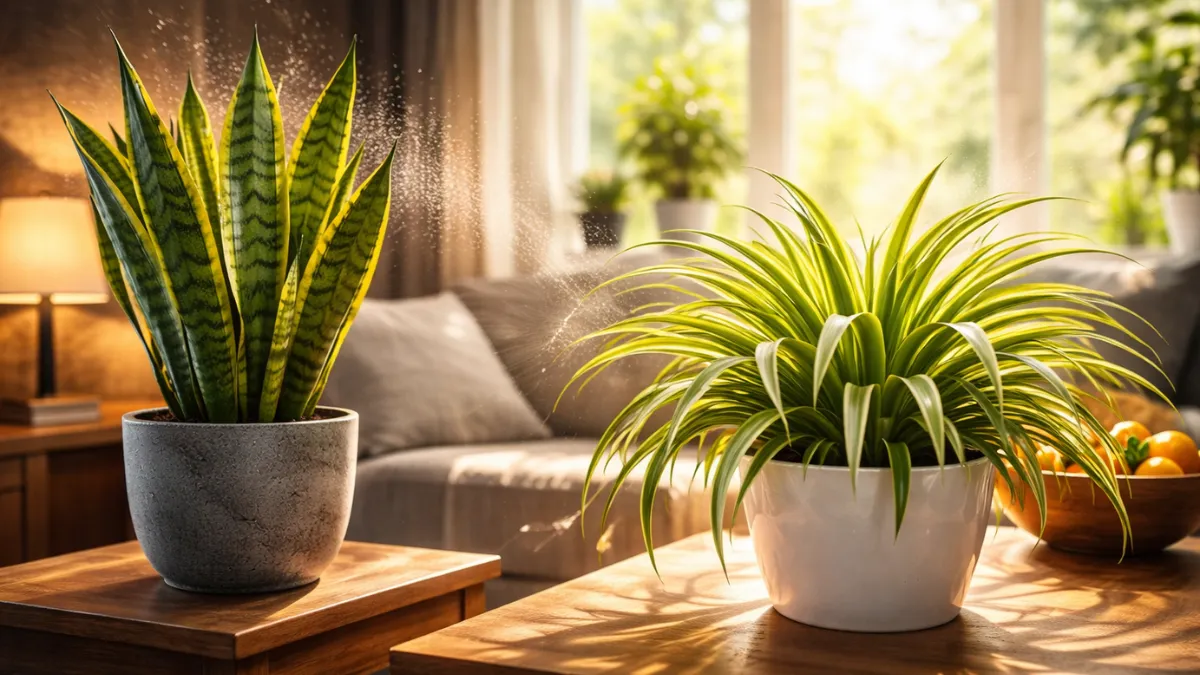
The snake plant (Sansevieria) is known for its hardiness and unique breathing process. A common question is whether snake plants release oxygen at night, and the simple answer is yes, they do through CAM photosynthesis.
This makes them particularly popular for bedrooms.
In my personal experience, snake plants significantly reduce stale odors in enclosed rooms over time. However, one thing that didn't work for me was expecting quick results. They improve air quality gradually, not instantly.
Best indoor air benefits of Snake Plant:
• Performs well in low light
• Tolerates poor ventilation
• Requires little water
• Stable leaf surface effectively traps dust
Disadvantage : Air purification is slower in large rooms.
Spider Plant and indoor air performance
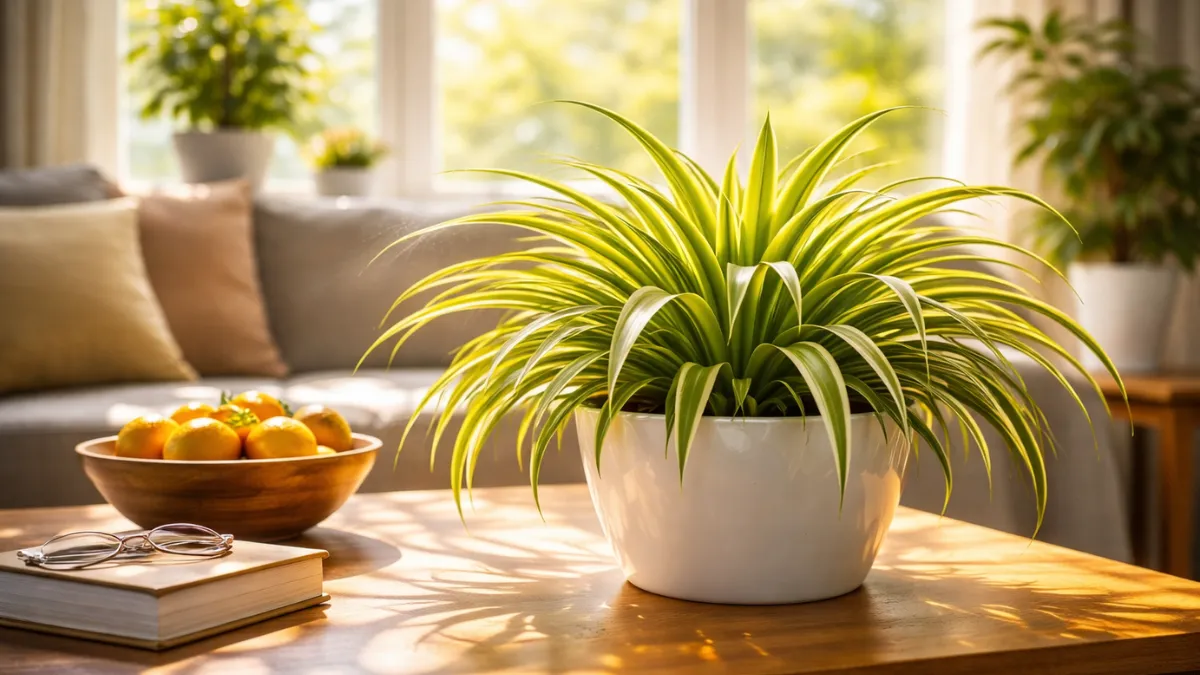
The spider plant is often associated with the question of whether spider plants are good for removing indoor toxins. However, in real homes, spider plants are very good at reducing everyday odors, especially in kitchens and living rooms.
Yes, they grow faster than snake plants, resulting in a larger leaf surface area, which helps collect dust. In my own home, spider plants performed best near windows with indirect sunlight.
Best indoor air benefits of Spider Plant:
• Fast and noticeable air freshening
• Excellent for brighter rooms
• Safe for pets
• Strong humidity balance
Disadvantage : Requires more frequent watering and light.
Snake Plant vs. Spider Plant: Side-by-Side Comparison
| Feature | Snake Plant | Spider Plant |
|---|---|---|
| Best Light | Low to medium | Bright indirect |
| Night Oxygen | Yes | No |
| Odor Reduction Speed | Slow | Faster |
| Maintenance | Very low | Moderate |
| Pet Safety | Toxic | Safe |
Which plant is better for the bedroom?
People often search for which plant is better for bedroom air: snake plant or spider plant. Based on my own experience, the snake plant is a better option for the bedroom due to its oxygen release at night and low maintenance requirements. Spider plants can also work, but only if the room receives sufficient daylight.
Which plant improves air quality faster in the living room? For open spaces, the indoor plant that most quickly improves air quality is typically the spider plant. Its rapid growth and high transpiration rate make a room feel fresher faster, especially in areas where cooking or dust accumulation is common.
Maintenance matters more than plant type.
A healthy plant purifies the air better than a stressed one. Many users ask if the size of the plant affects indoor air purification, and the answer is yes; larger, fuller plants have a greater impact than small decorative potted plants.
I initially made the mistake of placing plants too close together, which reduced airflow and led to pest infestations. Balance is key for them to thrive.
The final verdict: Which one should you choose?
Choose a snake plant if you want:
• To place it in a bedroom
• Tolerance for low light conditions
• Minimal maintenance
Choose a spider plant if you want:
• Rapid air freshening
• A bright living area
• Pet-safe greenery
Both plants help keep the indoor environment clean, but neither can replace proper ventilation. Their purpose is to provide a subtle improvement, not miraculous purification.
Also Read : Snake Plant vs Spider Plant for Indoors: Honest Comparison
Written by IndoorPlantify, based on real indoor plant care experience.