

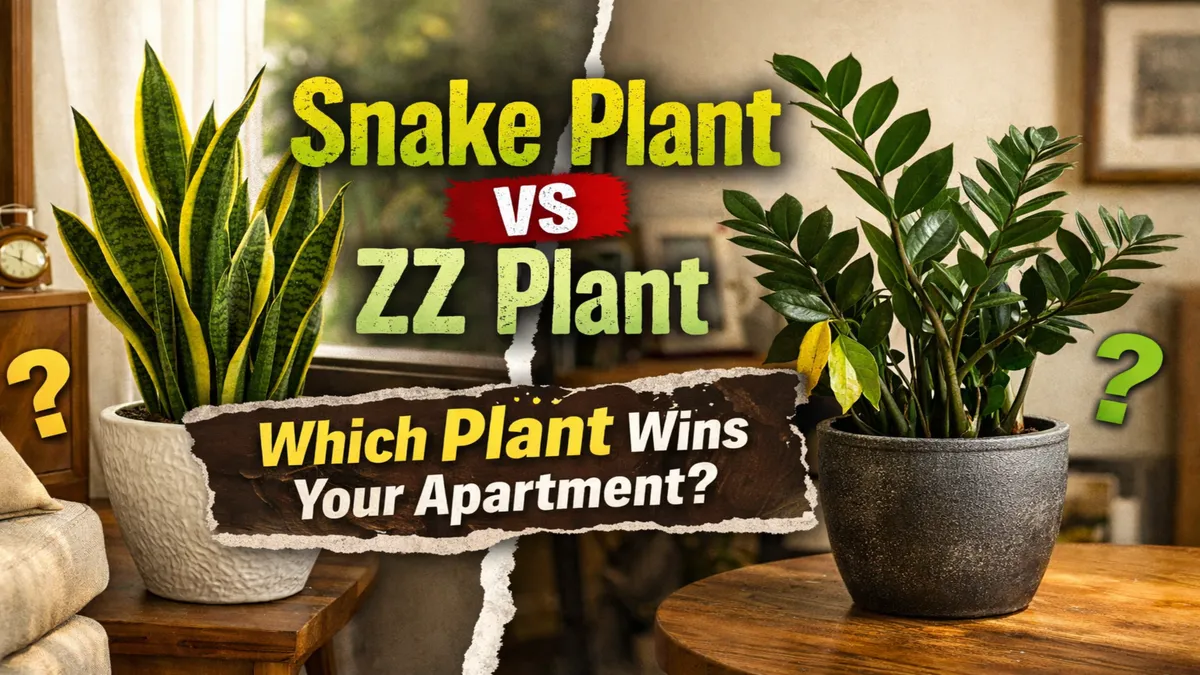
Many people buy snake plants or ZZ plants, often wondering which plant is better, which is easier to grow, and assuming both are easy to care for. But after just a few weeks, one plant looks healthy and thriving, while the other looks sad and wilted. Then you start to wonder: which plant will actually survive in your apartment without too much trouble? I've grown both plants at home, and I've learned a few lessons that might help you choose the right one.
Quick comparison table
| Feature | Snake Plant | ZZ Plant |
|---|---|---|
| Light Preference | Bright, indirect light; tolerates low light | Low to moderate indirect light; very tolerant of low light |
| Watering Needs | Water when soil is completely dry; avoid overwatering | Very low; water once every 3–4 weeks; avoid waterlogging |
| Growth Rate | Moderate; faster in bright light | Slow; can take months to show new growth |
| Leaf Appearance | Upright, sword-like leaves; dark green with stripes | Glossy, oval leaves; deep green |
| Common Problems | Soft or droopy leaves if overwatered; brown tips | Yellowing leaves, mushy stems from overwatering |
| Apartment Suitability | Good for bright corners; tolerates low light | Perfect for darker corners; very forgiving for beginners |
| Pot & Soil Tips | Well-draining soil; pot with drainage hole | Well-draining soil; pot with drainage hole; sand/perlite helps |
| Extra Tip | Rotate occasionally for even growth | Keep away from AC vents; very low maintenance |
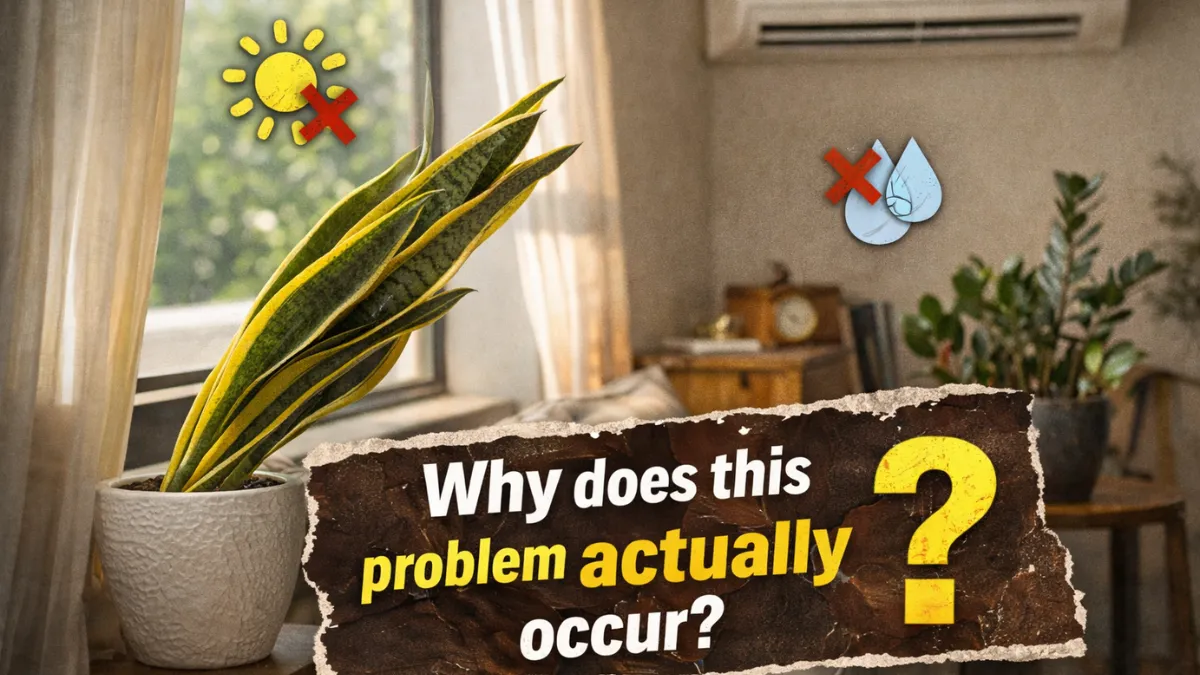
Why does this problem actually occur?
The main problem lies with light and water. Both snake plants and ZZ plants are low-maintenance plants, but that doesn't mean you can completely neglect them. A common mistake is simply placing the plants anywhere and expecting them to thrive. Snake plants prefer some light and can survive in low light conditions, but very low light slows down their growth. ZZ plants tolerate low light better, but overwatering can quickly kill them.
Additionally, your apartment's air is dry, the windows face certain directions, and watering is sometimes irregular. This affects both plants in different ways. The wrong pot or soil can further exacerbate the problem, even if you water correctly.
Related News
Also Read : Snake Plant Stalled? Why Your Plant Isnt Growing For Months
Signs Your Plant Is Struggling
Here are some signs that your plant is not doing well and is trying to tell you something:
Examples :
Snake Plant: Leaves start to curl or become soft. Brown tips appear. The plant may look wilted, especially if you've overwatered it.
ZZ Plant: Leaves may turn yellow and drop. The stems may feel soft at the base, which means the roots are rotting.
Apartment-specific examples: I once kept a snake plant in a windowless bathroom. It seemed fine for two weeks, then started leaning towards the door to get light. This slowed its growth. Similarly, placing a ZZ plant near an air conditioning vent can cause its leaves to curl, also slowing its growth.
Pay attention to these subtle signs. They tell you what your plant needs before it's too late.
What Actually Works in Real Homes
These two plants are incredibly easy to grow, but you do need to keep a few things in mind.
Small Changes That Make a Big Difference
Light : Place the snake plant near a bright window, but not in direct, harsh sunlight. The ZZ plant, on the other hand, can survive in low-light conditions.
Watering : The snake plant only needs water when the soil is about 70-80 percent dry. The ZZ plant needs even less water—and in the winter, watering it once every 3-4 weeks is sufficient. I learned this the hard way when half of my ZZ plant's leaves fell off because I overwatered it.
Pot and Soil : You should always use a pot with drainage holes. Regular potting soil works, but adding a little sand or perlite helps prevent waterlogging.
Rotating : Rotate the plant every few weeks so that it receives even sunlight on all sides, which promotes even growth. I didn't do this with my snake plant initially, and it ended up leaning towards the light.
Common Mistakes People Make Repeatedly
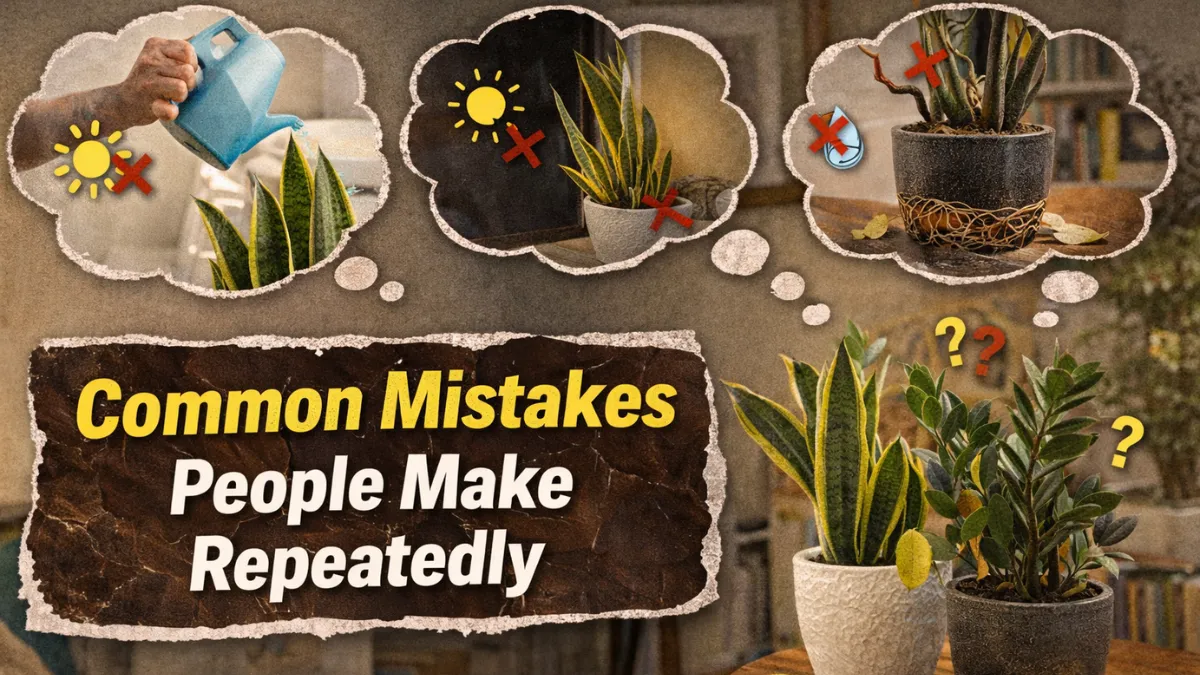
Overwatering, thinking that "more water = more growth." Both plants store water in their leaves, so they can survive for longer periods without frequent watering.
Ignoring light requirements. Even "low-light" plants need some light to stay healthy.
Using deep or tight pots. Roots like space, but too much soil retains water and can lead to root rot.
Panicking at the first yellow leaf. A few yellow leaves are normal. It doesn't mean your plant is dying.
Also Read : Top Indoor Plants That Will Survive Your AC Rooms — Guaranteed
Conclusion
Both the Snake Plant and the ZZ Plant are excellent companions for apartment living. If you have a spot with a little more light and want faster growth, the Snake Plant is a great choice. If you tend to forget to water and have a darker corner, the ZZ Plant is better. The key is to observe your plant and make small adjustments. No miracles, no stress – just consistent care. Over time, you'll see your plant thrive, and you'll be proud that you didn't give up.