

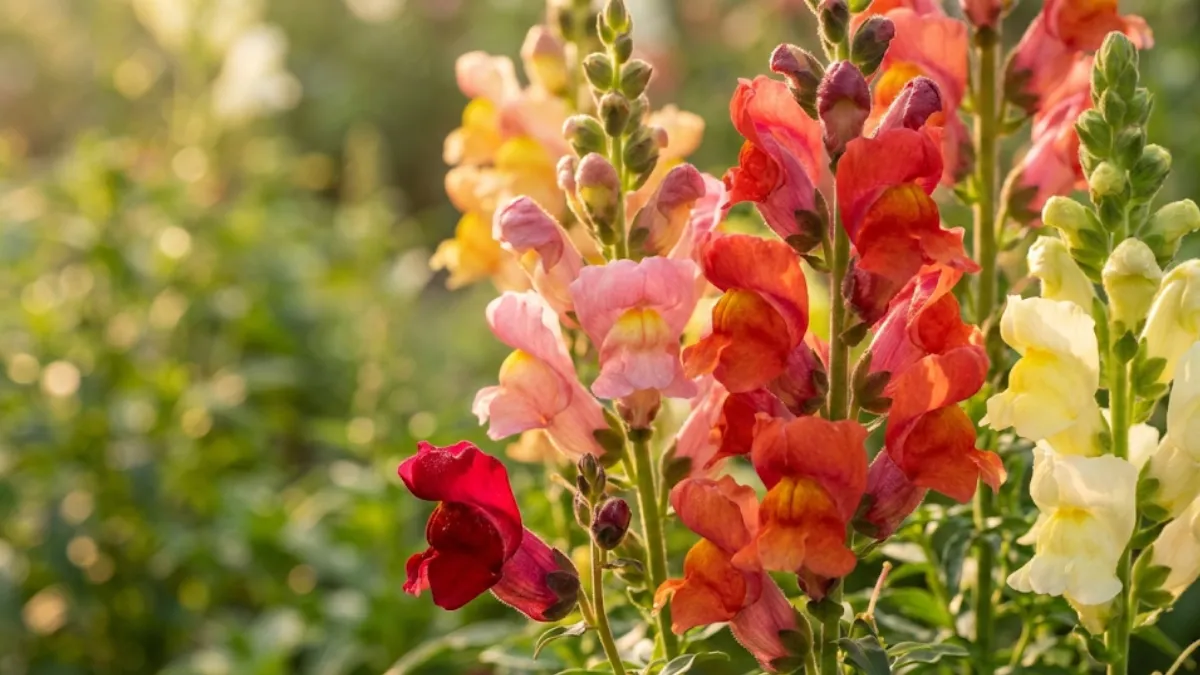
Snapdragons are one of those plants that, at first glance, seem incredibly easy to grow. New plant parents often think, "I bought healthy plants, planted them properly, watered them regularly and yet my plants aren't thriving." They produce fewer flowers, and the stems grow strangely long and leggy.
These problems usually don't occur because you've done something wrong. It's because snapdragons don't behave like most other flowering plants. But once you understand how these plants work, growing them becomes incredibly easy. So, in this article, we'll show you how to grow them correctly and keep them healthy for a long time.
Why don't snapdragons grow the way we expect them to?
Snapdragons are actually cool-weather plants. They like bright light but dislike heat, especially warm nights. Many people assume these plants behave like other annuals, and that's where the problems begin.
They also develop a sensitive root system. Once these plants are established, they don't like to be disturbed. Even a minor transplant shock can subtly reduce flowering later on, without causing any obvious damage to the leaves.
Related News



Temperature Matters More Than Fertilizer
One of the biggest misconceptions among new plant parents is that snapdragons need a lot of fertilizer to bloom well. But in reality, they thrive best when temperatures are mild. When the weather gets hot, the plant stops flowering, no matter how much fertilizer you give it.
Slow Growth at the Beginning is Normal
Snapdragon plants don't rush to grow. Initially, they focus more on developing their roots than producing flowers. This allows them to establish a strong root system. However, many gardeners panic at this stage and start changing the soil, adding more fertilizer, or overwatering none of which helps.
Signs That Your Snapdragon Plant Is Unhappy
Snapdragon plants rarely die suddenly. They usually show subtle signs long before things become serious.
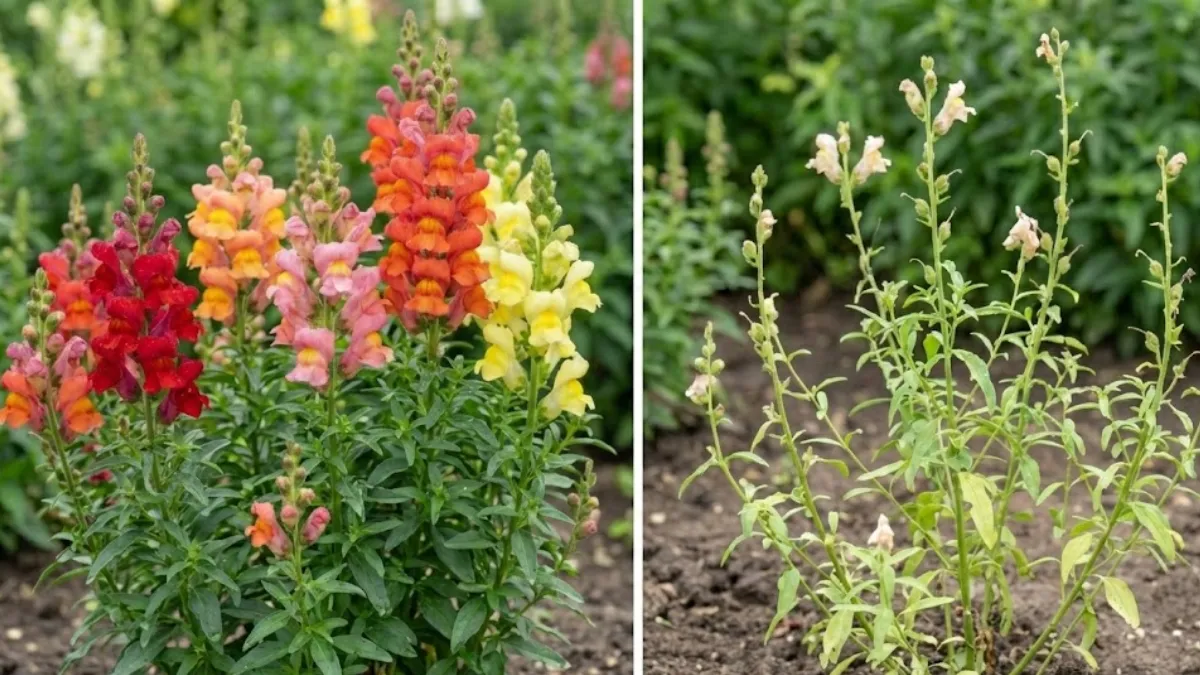
Small Flower Clusters and Weak Blooms
If the flower clusters remain small or the blooms appear smaller than usual, it's often due to heat stress. This occurs when the plants receive intense afternoon sun.
The leaves are healthy, yet why aren't there any flowers?
This confuses most people. The plant looks fine, but it stops flowering. Usually, this means your plant is getting too much nitrogen or is experiencing consistently warm conditions. This causes the plant to go into leaf production mode instead of flowering mode.
Wilting during the day despite moist soil
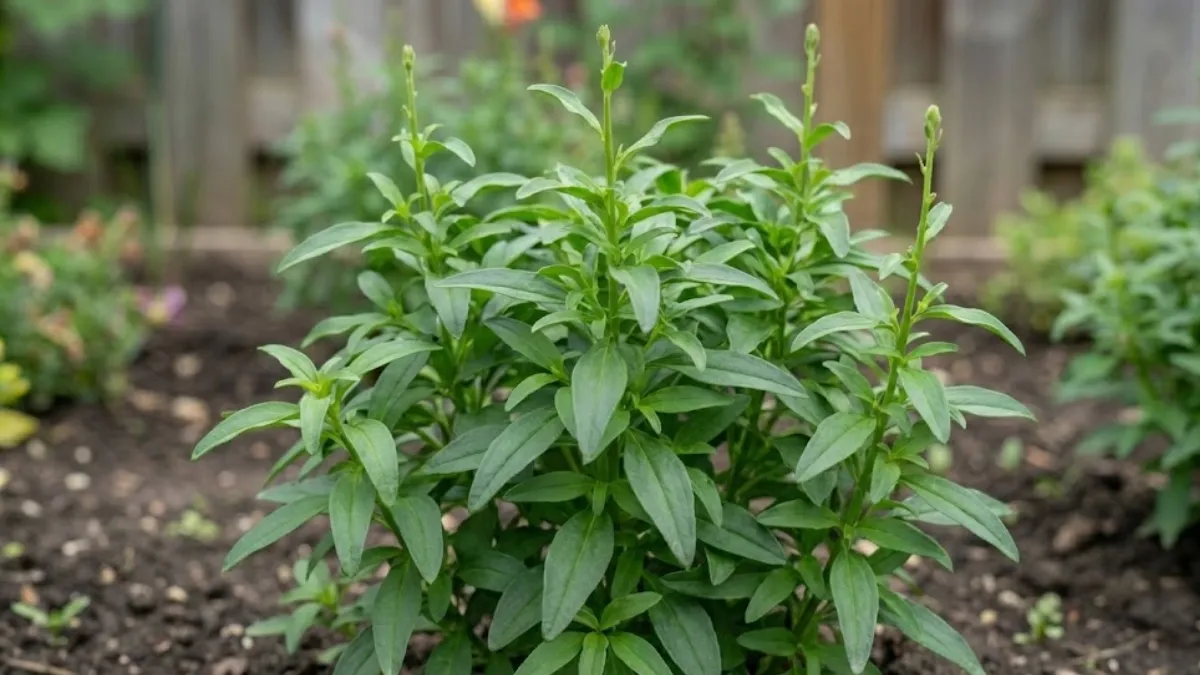
This is often mistaken for underwatering. In reality, it can be caused by stressed roots due to poor drainage in the pot. Since snapdragons don't like sitting in soggy soil, this is especially common during cooler nights.
How to grow snapdragons better at home?
Snapdragons recover quickly when you adjust a few basic things instead of trying to do everything at once. Timing is more important than variety.
In most areas, snapdragons grow best when planted in late fall to early winter. Trying to grow them in the summer almost always leads to disappointment, even with "heat-tolerant" varieties.
The soil for your plants should be light, not heavy.
Snapdragon plants prefer soil that drains easily but doesn't dry out immediately. Amending dense clay soil with compost and a little sand works much better than just using garden soil.
Water the plants deeply.
Instead of watering lightly every day, water thoroughly and then wait until the top 1-2 inches of soil are dry. This encourages deeper roots and stronger stems.
Does removing faded flowers encourage more blooms?
Deadheading is essential with snapdragons. Once the flowers go to seed, flowering slows down considerably. Therefore, withered flowers should be removed immediately, which allows the plant to focus more on producing new flowers.
Common Mistakes That Prevent Snapdragons from Blooming
One common mistake most people make is transplanting too late. Snapdragon plants should be planted when they are still small. If you plant larger plants, their roots tend to rot quickly.
Some people think they need full sun all day. But this isn't true, especially in hot weather. They only need a little afternoon sun, and you can improve their flowering significantly by providing some shade during the hottest part of the day.
Over-fertilizing leads to lush green foliage but fewer flowers.
Final Thoughts from My Personal Experience
Snapdragons aren't fussy; they're simply honest. When conditions are right, they bloom profusely. When something is wrong, they don't dramatically die; they simply stop flowering.
Think of snapdragons as cool-weather companions, not year-round bloomers. Give them well-draining soil, moderate temperatures, and consistent care. Do this, and they will reward you with long spikes of beautiful, colorful blooms that last longer than you might expect.