

Brief Answer
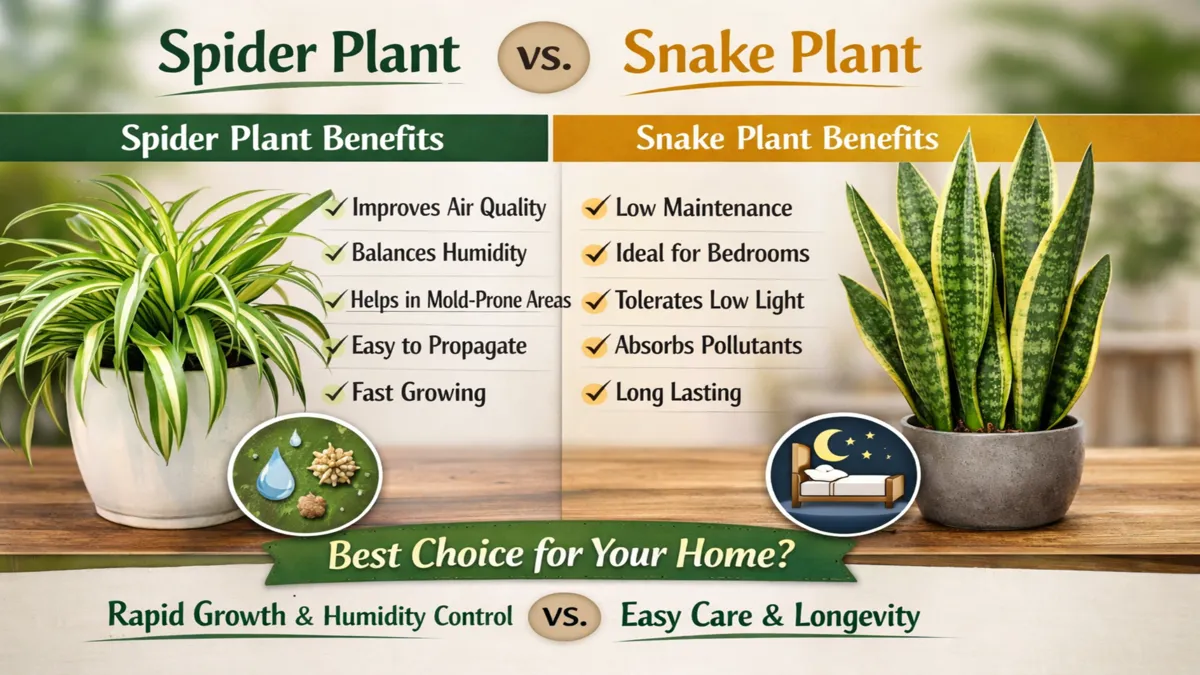
Both spider plants and snake plants offer numerous indoor benefits, such as improving air quality, reducing indoor pollution, and maintaining humidity balance. Snake plants are better suited for low-maintenance bedrooms, while spider plants are slightly more effective at maintaining humidity balance and are better suited for areas prone to mold growth.
Spider Plant Benefits vs. Snake Plant Benefits
Indoor plant enthusiasts often compare the air-purifying capabilities, mold control properties, and ease of care associated with spider plants and snake plants. Both plants are suitable for beginners, but their specific applications within the home differ slightly.
Related News


Understanding their actual benefits will help you choose the right plant for your bedroom, living room, or workspace.
Spider Plant Benefits
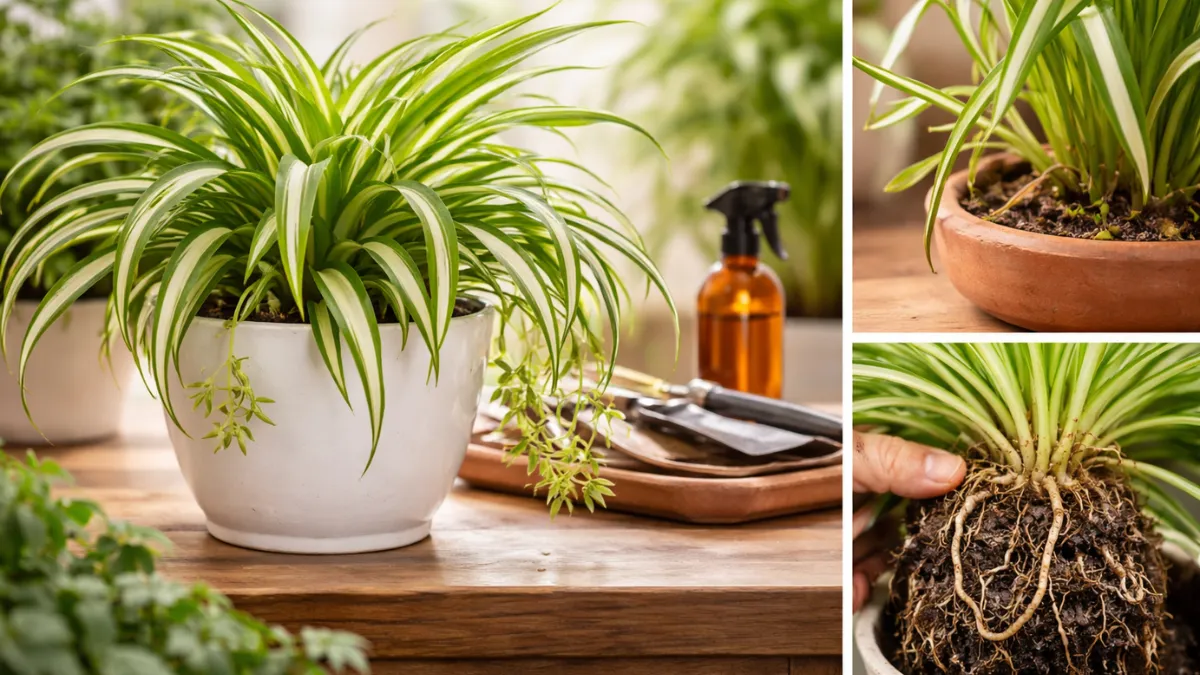
Spider plants (Chlorophytum comosum) are known for their arching leaves and the small plantlets (spiderettes) they produce. They grow rapidly and adapt easily to indoor environments.
1. Aids in Improving Indoor Air Quality
Spider plants can absorb small amounts of pollutants such as formaldehyde and carbon monoxide. While they do not purify the air as thoroughly as a mechanical air purifier, they can help slightly improve the balance of indoor air quality in smaller spaces.
Also Read : Spider Plant vs Snake Plant : Which Is Better for Your Home?
2. Aids in Humidity Balance
Spider plants release moisture through a process called transpiration. This helps maintain slightly better humidity levels indoors.
In homes with dry air, this release of moisture can help reduce dryness in the atmosphere.
3. Potential Indirect Benefits for the Skin
Many people compare the benefits of spider plants and snake plants regarding skin health. Plants do not directly improve skin health. However, improved humidity and air quality may help alleviate dryness or irritation for some individuals. This is an indirect environmental benefit, rather than a direct impact on skincare.
4. Good for Areas Prone to Mold
When comparing Snake Plants and Spider Plants regarding mold, Spider Plants can help regulate humidity to some extent. Balanced humidity can prevent mold growth in certain conditions.
However, they cannot eliminate existing mold. Proper ventilation remains essential.
5. Easy to Grow
Spider Plants produce small plantlets known as spiderettes. These can easily be grown into new plants, making them an excellent choice for beginners.
Disadvantages of Spider Plants
While Spider Plants are easy to grow, they do have some limitations.
Sensitive to Overwatering
Spider Plants do not like wet soil. Excessive watering can lead to root rot.
Browning Leaf Tips Are Common
Minerals and fluoride present in tap water can sometimes cause the tips of the leaves to turn brown.
Requires Moderate Light
Unlike Snake Plants, Spider Plants do not thrive in very dark corners.
In my own experience, the leaf tips of my first Spider Plant turned brown because I was overwatering it. After reducing the watering and switching to filtered water, the plant recovered.
Benefits of Snake Plants
Snake Plants (Sansevieria or Dracaena trifasciata) are renowned for their upright leaves and extreme hardiness.
1. Requires Very Little Care
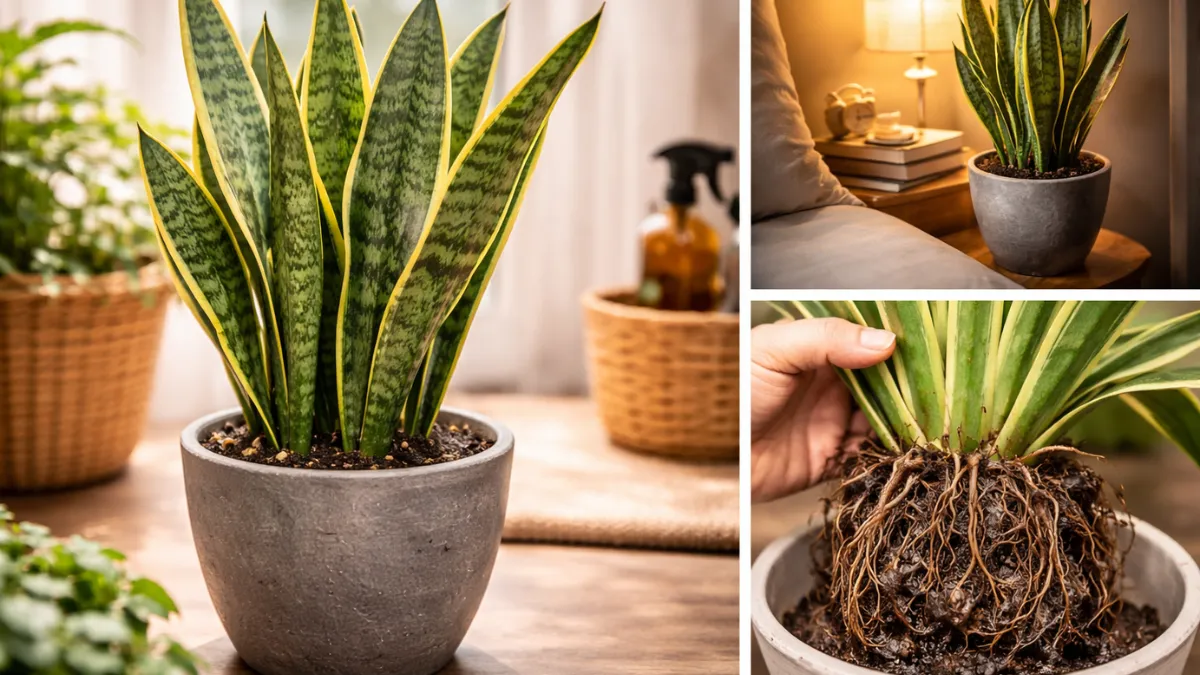
The biggest advantage of Snake Plants is how easy they are to care for. Even beginners rarely manage to kill them.
They can tolerate the following conditions:
• Low light
• Infrequent watering
• Dry indoor air
For this reason, they are one of the best plants for beginners.
2. Ideal for the Bedroom
Many people research the benefits of keeping a Snake Plant in the bedroom. Snake Plants perform a process known as CAM photosynthesis, which means they release oxygen at night.
Although the increase in oxygen levels is modest, this plant remains an excellent choice for the bedroom because it tolerates low-light conditions and requires very little maintenance.
3. Absorbing Airborne Pollutants
Much like the Spider Plant, the Snake Plant can also absorb minor levels of indoor air pollutants. When comparing the air-purifying capabilities of the Spider Plant and the Snake Plant, there is very little difference between the two.
Both plants make a modest contribution; however, neither plant can serve as a substitute for proper ventilation or mechanical air filtration systems.
4. Protection Against Mold in Humid Areas
When comparing the Snake Plant and the Spider Plant in terms of mold resistance, the Snake Plant tolerates humidity better and is less susceptible to humid environments.
For this reason, they are well-suited for bathrooms or other moisture-prone rooms.
5. Longevity
Snake Plants are slow growers, yet they possess a remarkably long lifespan. With minimal care, some indoor Snake Plants can survive for several decades.
Snake Plant Care
Caring for a Snake Plant is one of the easiest tasks in indoor gardening.
Light:
Low to bright indirect light
Watering:
Once every 2–3 weeks, depending on soil moisture levels
Soil:
Well-draining cactus or succulent mix
Common Mistake:
Overwatering is the primary cause of the plant's demise.
Initially, I made a mistake I watered my Snake Plant every week, just like my other houseplants. The soil remained wet for too long, creating a risk of root rot. The plant recovered once I switched to watering it at 3-week intervals.
Spider Plant Care
Caring for a Spider Plant is also simple, though it requires slightly more active attention compared to a Snake Plant.
Light:
Bright indirect light
Watering:
When the top inch of the soil feels dry
Soil:
Well-draining general indoor potting mix
Humidity:
Moderate humidity is ideal.
Spider Plants grow faster than Snake Plants and may require occasional pruning.
Snake Plant vs. Peace Lily
Another common comparison involves the Snake Plant and the Peace Lily.
Snake Plant
Pros:
• Requires extremely low maintenance
• Drought-tolerant
• Long lifespan
Cons:
• Slow growth rate
• Less visually striking appearance
Peace Lily
Pros:
• Beautiful white flowers
• Provides higher humidity
Cons:
• Requires frequent watering
• Deteriorates if neglected
For beginners, the Snake Plant is generally easier to manage.
Reality Check: Myths About Indoor Plants
The benefits of indoor plants are often exaggerated.
Myth: A single plant can purify an entire room.
Fact: Plants absorb only a very small amount of air pollutants.
Myth: Plants can cure skin conditions.
The Truth: They can slightly increase humidity, but they do not treat skin conditions.
Plants should be viewed as environmental enhancers, not as medical solutions.
Which plant should you choose?
If you want a Spider Plant, choose this option for:
• Rapid growth
• Easy propagation
• Decorative trailing foliage
• Modest humidity requirements
Choose a Snake Plant if you are looking for:
• Extremely low maintenance
• A plant suitable for the bedroom
• The ability to survive even in low light
• Longevity
Both of these plants are excellent indoor choices for beginners.
Practical Tips for Successful Indoor Gardening
1. Always use pots with drainage holes.
2. Avoid overwatering your indoor plants.
3. Whenever possible, place plants near natural light sources.
4. Periodically clean the leaves to remove accumulated dust.
5. Rotate your plants every few weeks to ensure uniform growth.
Adopting these simple habits significantly improves the health of your plants.
Final Thoughts
When comparing the benefits of Spider Plants versus Snake Plants, both varieties offer distinct advantages when kept indoors such as improving air quality, maintaining humidity levels, and providing a beautiful, lush aesthetic.
In terms of hardiness and low-maintenance requirements, the Snake Plant proves to be the superior choice. Conversely, the Spider Plant takes the lead when it comes to rapid growth and the ease with which new plants can be propagated.
The best choice for you ultimately depends on your available space, the lighting conditions in your home, and the level of care you are willing to dedicate to your plants.
Written from real indoor plant care experience for IndoorPlantify.