

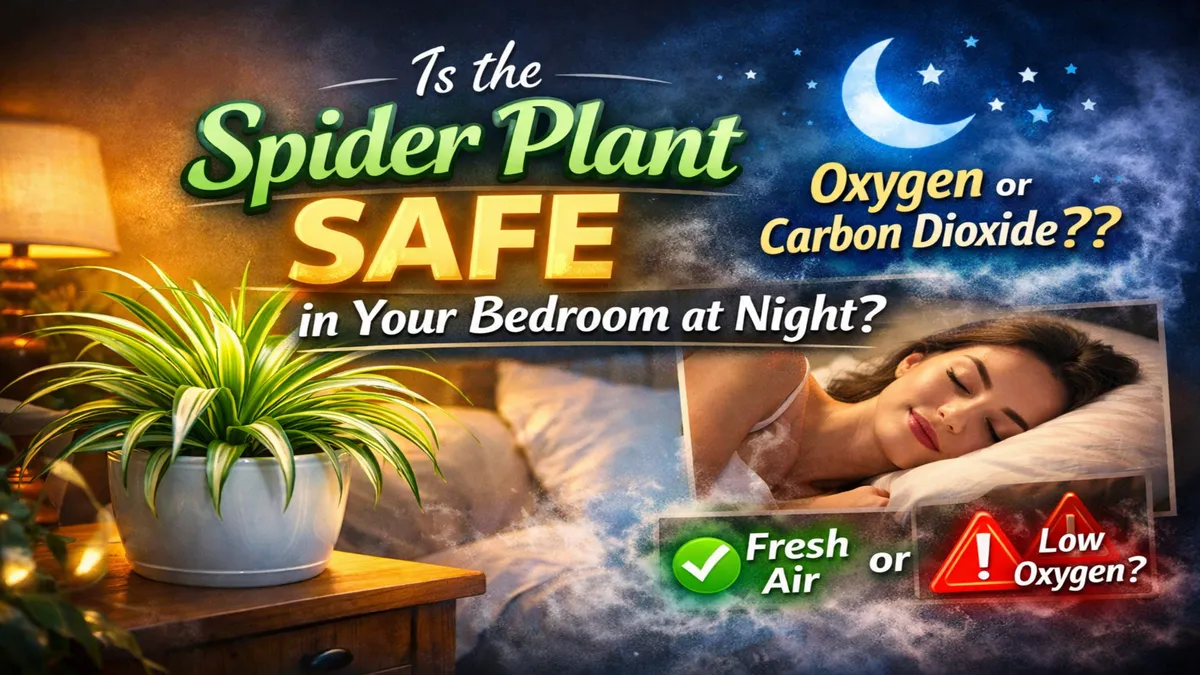
Spider Plant: Many people like to keep plants in their bedrooms to improve sleep and keep the air fresh. The spider plant is one of the most common choices because it looks light and refreshing and is easy to care for. But a common question still causes confusion: Is the spider plant really good for the bedroom at night, or does it disrupt oxygen levels while you sleep?
Let's talk honestly, without any fear or false promises.
Quick Comparison:
Best for low light : Spider plant
Best for fast growth : Spider plant
Best for beginners : Spider plant
Best for air circulation : Spider plant
Related News


How the Spider Plant Behaves at Night
The spider plant, like most plants, follows natural processes. During the day, it releases oxygen. At night, it consumes a small amount of oxygen and releases carbon dioxide. This sounds scary, but in our actual homes, the amount is very small and harmless.
In a typical bedroom, one or two spider plants can never deplete oxygen or cause breathing difficulties. I've had a plant near my bed for years and have never experienced suffocation, headaches, or sleep disturbances.
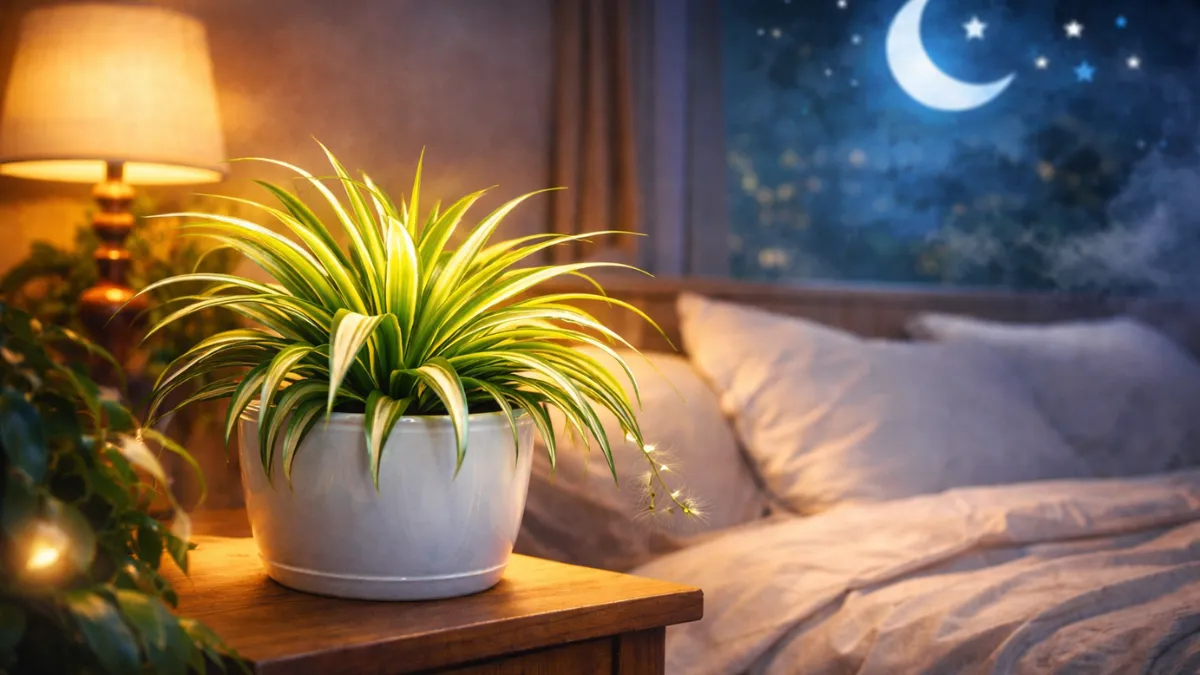
The bigger factors affecting nighttime air quality are closed windows, room size, and ventilation. A single spider plant cannot negatively alter air quality. In fact, its presence often makes the room feel calmer and more breathable.
Does the Spider Plant Improve Sleep Quality?
The spider plant doesn't act like a sleeping pill. It won't magically cure insomnia. But it does help in indirect ways. Its soft, drooping leaves create a calming atmosphere, especially in the low light of a bedroom. Looking at green plants is known to reduce stress, which helps calm the mind before sleep.
Spider plants also help control indoor air pollutants over time. Cleaner air means less irritation to the nose and throat, especially for those who are slightly sensitive to dust. This can lead to fewer sleep disturbances at night.
The Oxygen Myth vs. Reality for Bedroom Plants
Many blogs claim that spider plants release oxygen at night. However, this isn't entirely true. The spider plant is not a CAM plant like the snake plant. It primarily releases oxygen during the day. But this doesn't mean it's unsafe at night. Here's the real comparison:
Common Belief Reality
Plants steal oxygen at night The amount of oxygen used is negligible
Bedroom plants cause suffocation Only an excessive number of plants could cause this
One plant affects sleep Room ventilation matters more
The amount of oxygen a spider plant uses at night is far less than what a sleeping person or pet consumes. Therefore, there is no danger under normal circumstances.
Best Placement for a Spider Plant in the Bedroom
Placement matters more than people think. The spider plant shouldn't be touching your face or obstructing airflow. The best places for it are near windows, on shelves, or in hanging baskets.
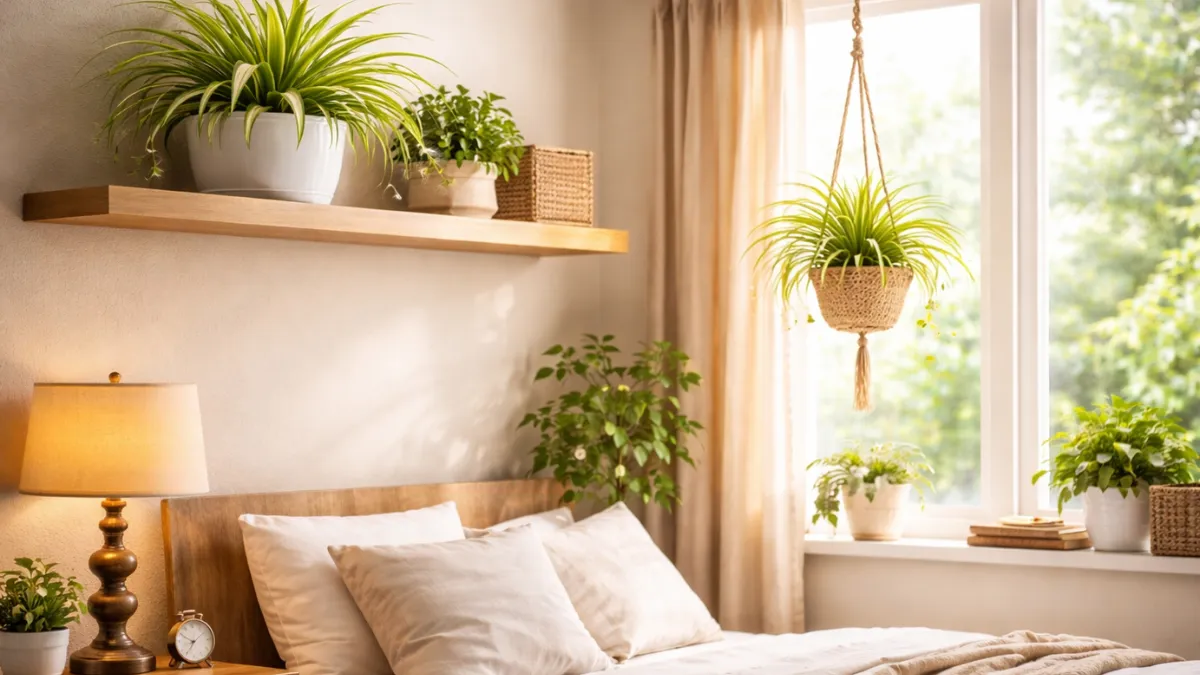
Avoid placing it right next to your pillow. Not because of oxygen concerns, but because dust can accumulate on the leaves over time. A little distance keeps the space cleaner and more comfortable.
Hanging spider plants look great in bedrooms. They save floor space and provide a refreshing look without making the room feel heavy or cluttered.
Is a spider plant safe for children and pets at night?
Spider plants are considered non-toxic to humans. They are safe for children in the bedroom. However, for pets, especially cats, spider plants can be mildly attractive. While cats might chew on the leaves, which could cause an upset stomach, it's not poisonous.
If your pets sleep in your bedroom, consider placing the plant on a high shelf or hanging it. This keeps both the plant and your pets safe and stress-free.
Related article:
Spider Plant vs Snake Plant (2026): Which Is Better for Home, Bedroom & Health?
Common plant care mistakes to avoid in the bedroom
Spider plants are low-maintenance, but bedroom conditions can lead to mistakes. Overwatering is the most common problem. Bedrooms typically have less airflow, so the soil stays wet longer.
Here's a simple guide:
| Mistake | What to Do |
|---|---|
| Watering at night daily | Water only when soil is dry |
| No sunlight | Give indirect morning light |
| Dusty leaves | Wipe leaves every 10–15 days |
Healthy plants make a room feel lighter, cleaner, and more pleasant.
Who should keep a spider plant in their bedroom?
Spider plants are perfect for beginners, busy people, and apartment dwellers. If your bedroom gets some indirect light and you appreciate calming greenery, this is a great option for you. People who experience anxiety often find comfort in soft, leafy plants like the spider plant.
However, if your bedroom is very small and lacks proper ventilation, keep the plant in a small pot. Balance is always key.
Some final tips from my own personal experience:
A spider plant, when placed correctly in the bedroom at night, is safe, easy to care for, and calming. It won't steal your oxygen or disrupt your sleep. Just pay attention to ventilation, cleanliness, and the plant's overall health. A healthy spider plant can make your bedroom feel warmer, calmer, and more vibrant without any risks or worries.