

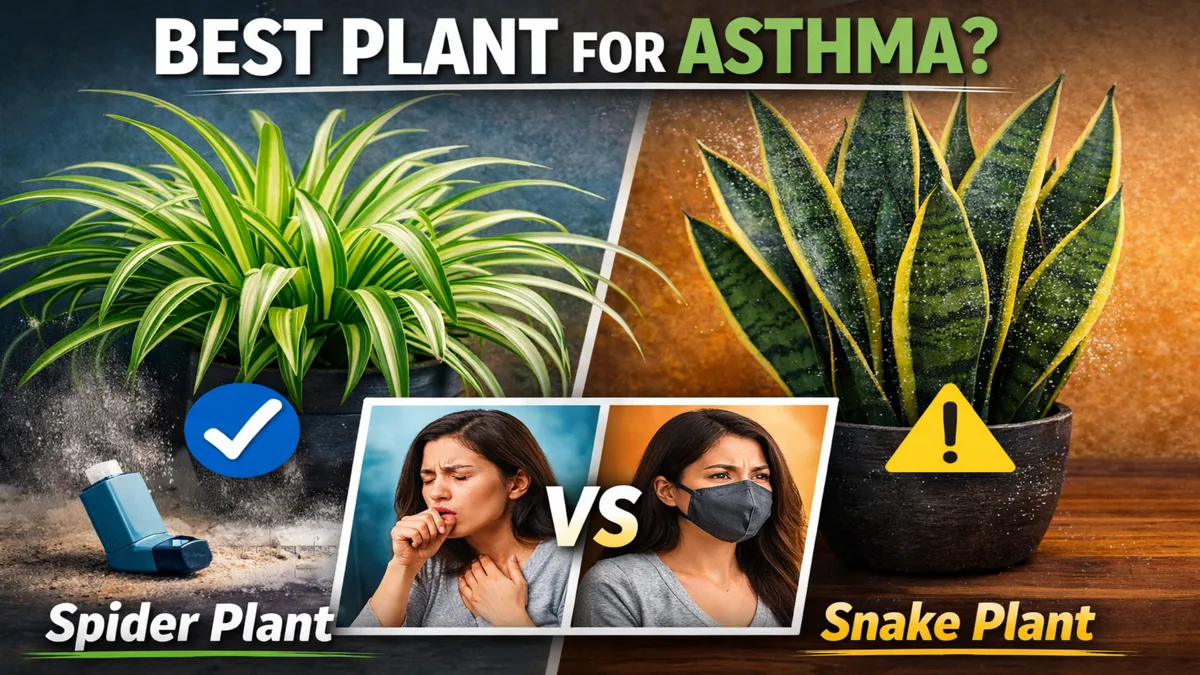
If you have asthma, even small things indoors can affect your breathing. Things like dust, odors, humidity, and air circulation all matter more than people realize. Houseplants can be mentally beneficial, but choosing the wrong one can cause irritation. I have both spider plants and snake plants in my home, and many readers ask me which is safer for asthma sufferers. This article explains everything calmly and honestly, without exaggeration.
Related News



Quick Comparison:
Best for low light : Snake Plant
Best for fast growth : Spider Plant
Best for beginners : Snake Plant
Best for air circulation : Spider Plant
Why Asthma Sufferers Should Choose Plants Carefully
Asthma sufferers are more sensitive to dry air, trapped dust, and strong odors. Some plants collect dust on their leaves, some retain too much moisture in the soil, and some release particles like pollen. These things don't bother everyone, but they can trigger coughing or chest tightness in people with asthma.
Choosing the right indoor plant isn't just about air-purifying claims. It's more about how easy the plant is to keep clean, how much water it needs, and how it affects the room's humidity over time.

Spider Plants and Asthma What You Should Know
The spider plant is soft-looking, lightweight, and very common in homes. Its thin leaves don't collect much dust if wiped down once a week. It grows quickly and thrives in average room conditions, making it feel fresh and vibrant in a space.
For asthma sufferers, the spider plant seems comfortable because it doesn't have strong odors, sticky sap, or thick leaves. It tolerates even slightly dry air well. In my own experience, bedrooms with spider plants feel less stuffy when the windows are closed.
Snake Plant and Asthma Is it Safe?
The snake plant is hardy, upright, and can survive almost anywhere. It requires very little water and grows slowly. Because of this, the soil remains dry most of the time, reducing the likelihood of mold or mildew growth.
However, snake plant leaves are thick and flat, meaning they easily collect dust. If not cleaned regularly, this dust can irritate asthma sufferers. The plant itself is not harmful, but poor maintenance can make the room uncomfortable.
Spider Plant vs Snake Plant Care and Comfort Comparison
| Point | Spider Plant | Snake Plant |
|---|---|---|
| Dust holding | Very low | Medium if not cleaned |
| Water need | Moderate | Very low |
| Humidity impact | Balanced | Neutral |
| Leaf texture | Thin and soft | Thick and stiff |
| Cleaning effort | Easy | Needs regular wiping |
This table shows why spider plants often feel lighter in asthma-friendly homes, while snake plants only work well with proper care.
Placement Tips for Asthma-Friendly Homes
Best Places for Spider Plants
Spider plants do best in bedrooms, near windows with indirect light, or in hanging baskets. Good air circulation keeps the leaves fresh and minimizes dust accumulation.
Best Places for Snake Plants
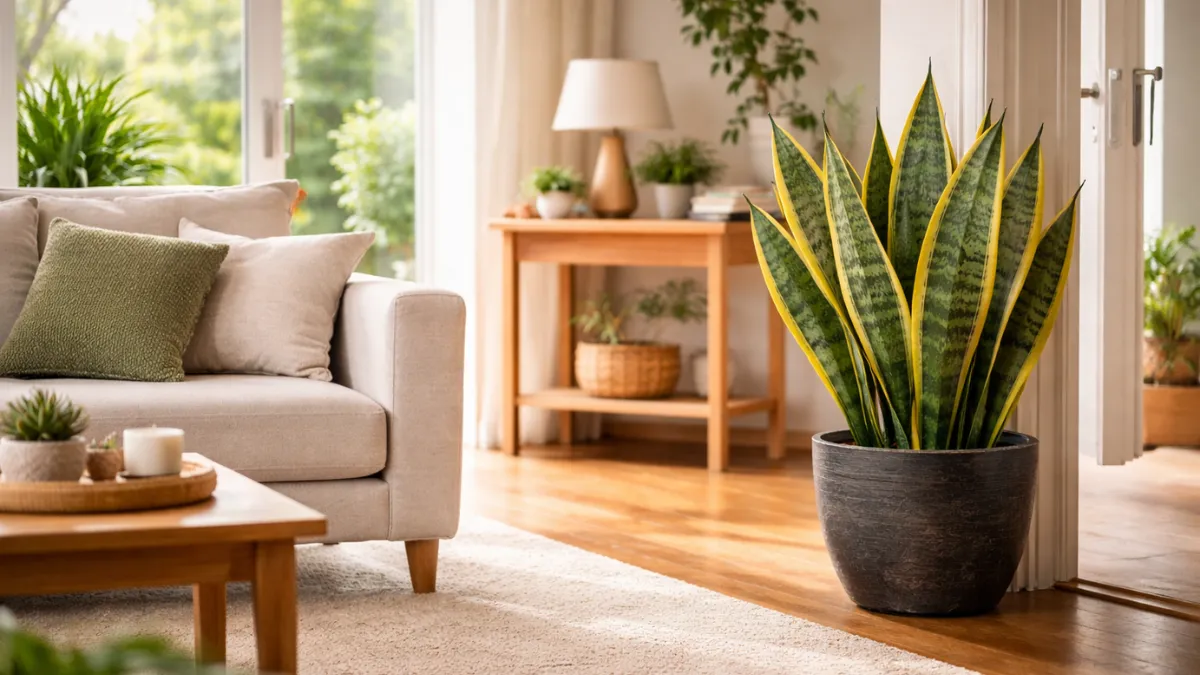
Snake plants are better suited for corners, living rooms, or near doorways where airflow is consistent. Avoid placing them too close to the bed unless you clean the leaves frequently.
Common Mistakes Asthma Sufferers Make with Indoor Plants
Many people overwater their plants, leading to soggy, smelly soil. Others never clean the leaves, allowing dust to accumulate. Some keep plants in closed rooms without proper ventilation. These mistakes matter more than the type of plant itself.
For asthma sufferers, simple habits like wiping the leaves weekly, using well-draining soil, and opening windows for a short time each day can make a big difference.
Which plant is best for asthma sufferers?
If you want low maintenance and a subtle presence, a spider plant is generally a good choice. It has a light appearance, is easy to grow, and doesn't require rigorous care. For those who tend to forget to water but clean regularly, a snake plant might also work.
The key isn't choosing the "best" plant, but rather one that fits your routine. Asthma relief comes when plants are stress-free, not when they become another chore.
Related article:
Indoor Plants Safe for Asthma & Allergies (Truth Revealed)
Spider Plant vs Snake Plant: Which Is Better Indoors? (2026 Test)
Spider Plant Benefits : Does It Really Clean Indoor Air?
Final Thoughts from My Own Home Experience
Both spider plants and snake plants can safely coexist with asthma sufferers if properly cared for. The spider plant feels more airy and delicate, while the snake plant feels sturdy and low-maintenance. In my experience, the spider plant is better suited for sensitive homes, but cleanliness and airflow matter more than the type of plant. Choose mindfully, pay attention to your breathing, and let the plant naturally enhance your space.