

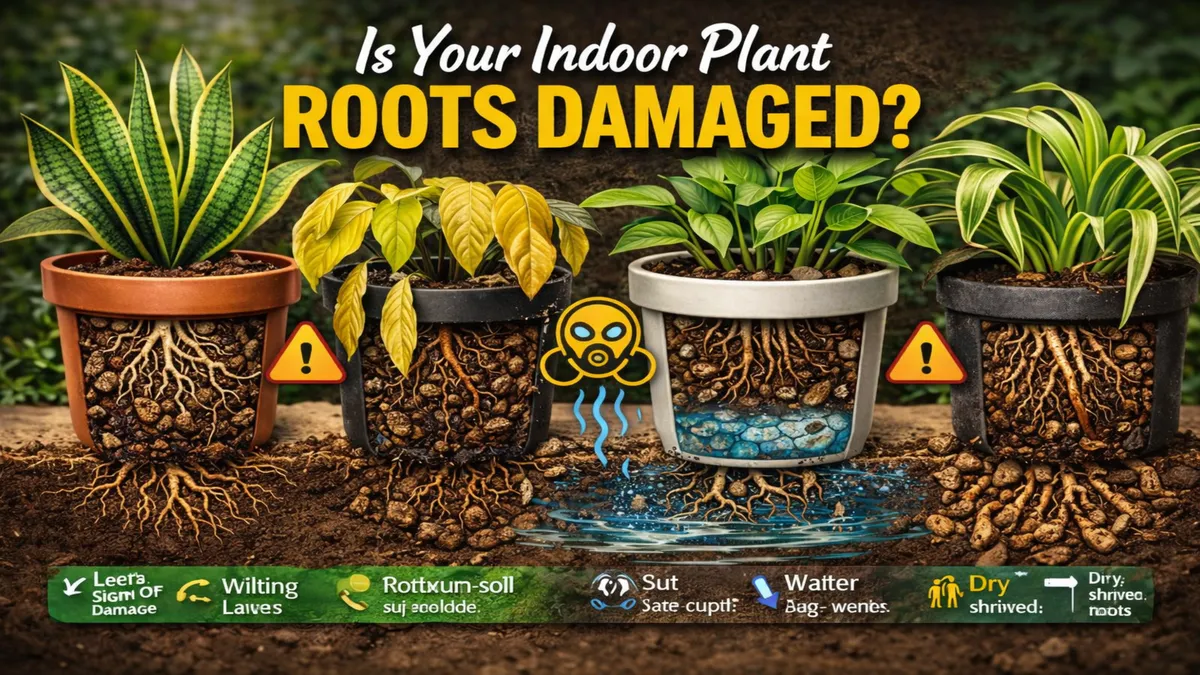
Indoor plants can sometimes show signs of stress even when everything above the soil looks fine. Damaged roots are a common cause, but repotting immediately isn’t always necessary or helpful. Knowing subtle indicators of root damage can save your plant from extra shock, unnecessary handling, and give you a clear picture of its health. This guide explains practical ways to tell if your indoor plant roots are suffering without removing it from its pot.
Quick Comparison:
• Best for low light : Snake Plant
• Best for fast growth : Spider Plant
• Best for beginners : ZZ Plant
• Best for air circulation : Pothos
Related News
How Indoor Plant Roots Get Damaged
Root damage often happens quietly. Overwatering, compacted soil, poor drainage, and pests gradually weaken the root system. Roots may rot, break, or stop absorbing nutrients, leading to visible stress above the soil. Plants with damaged roots often appear droopy, have yellowing leaves, or experience slowed growth, even if they seem hydrated.
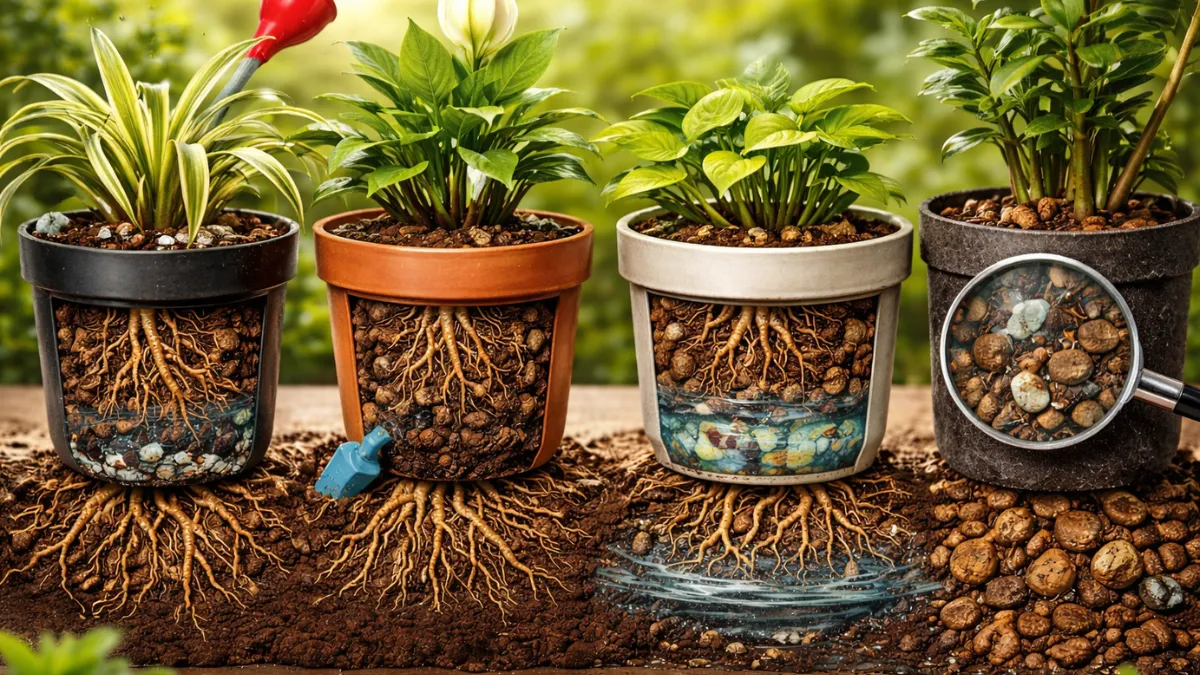
Root problems are usually more noticeable in plants with thinner root systems. Thick-rooted plants like snake plants may hide damage longer. Stress signs may appear as leaf curling, wilting, or a sudden need for frequent watering. Understanding the cause helps you decide whether repotting or minor adjustments are necessary.
Signs Your Plant Roots May Be Damaged
1. Leaf Discoloration and Wilting
Leaves may turn yellow, brown, or develop spots even if watering is normal. Wilting often appears in the upper leaves first. These symptoms are early indicators that roots are unable to transport water efficiently.
2. Slowed Growth
If your plant suddenly stops growing, it may be struggling below the soil. Even healthy-looking stems can hide a weakened root system.
3. Soil Retention Issues
Water may pool on the soil surface or drain too quickly. Both indicate compromised root structure or poor soil aeration.
4. Unpleasant Odors
A sour or rotten smell near the soil often signals root rot, which occurs when roots stay waterlogged and begin decomposing.
Methods to Detect Root Damage Without Repotting
1. Gentle Pot Squeeze
Carefully squeeze the pot. If the soil feels unusually soft or liquid seeps out, roots may be rotting. This works best with flexible plastic or fabric pots.
2. Leaf Pull Test
Gently tug on a leaf. Healthy roots resist slight movement. Leaves that come off too easily may indicate weak roots.
3. Observe Water Uptake
Monitor how long it takes for soil to dry after watering. Roots struggling to absorb water can cause inconsistent moisture levels.
4. Check New Growth
Monitor fresh leaves and shoots. Slow or deformed growth often points to compromised roots.
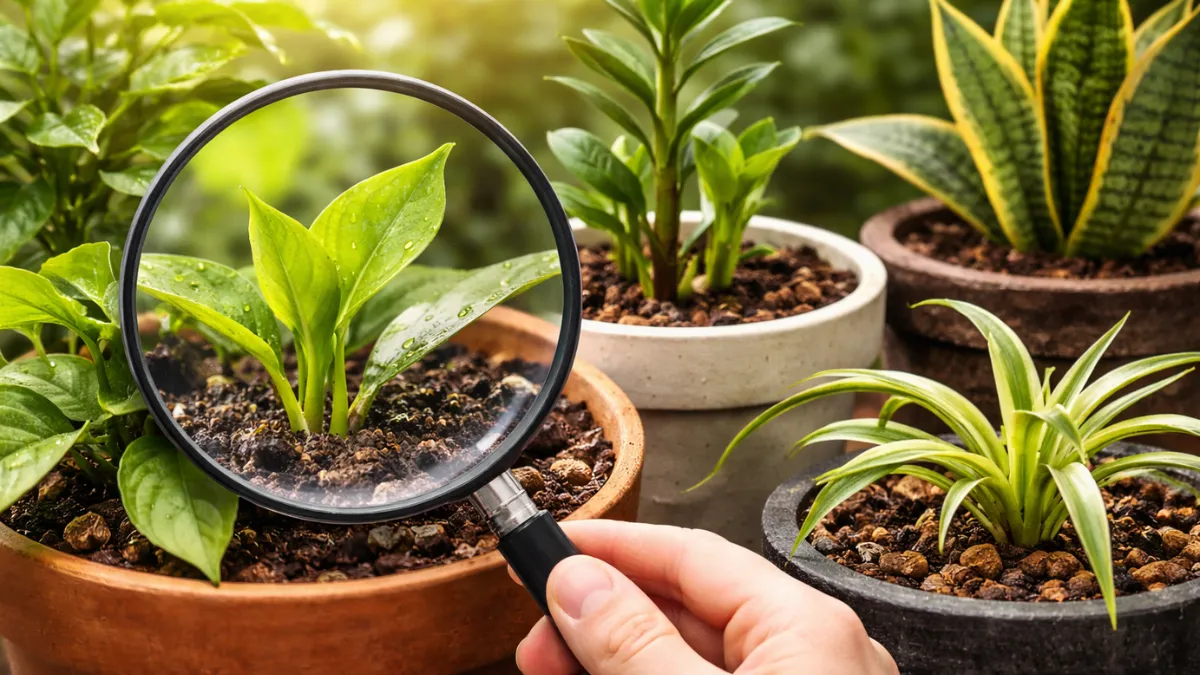
Table : Common Root Damage Signs vs What to Do
| Sign | Likely Cause | Recommended Action |
|---|---|---|
| Yellowing leaves | Root rot or nutrient stress | Adjust watering, check drainage |
| Wilting | Overwatering or compaction | Improve soil aeration, reduce water |
| Soil odor | Root decay | Use fungicide, improve drainage |
| Stunted growth | Damaged root tips | Monitor growth, consider pot refresh |
Preventing Root Damage Before It Happens
Proper care prevents most root problems. Avoid overwatering and compacted soil. Ensure pots have drainage holes, and use soil suitable for your plant type. Rotate plants occasionally to prevent uneven root stress. Regularly remove dead leaves and debris that can harbor pests or fungus near roots.
Related Article:
Roots Are Healthy But Plant Not Growing? Hidden Reasons Explained
Related Article:
Can Indoor Plants Recover After AC Damage? Expert Answer
Related Article:
Best Indoor Plants for Renters (No Damage, Low Care)
When Repotting May Still Be Necessary
Even with careful monitoring, some root issues require action. If roots have visibly rotted, or the plant shows continuous decline despite adjustments, repotting into fresh soil is often the only solution. Be gentle to avoid further root breakage and choose a pot slightly larger than the current one.
Final Tips
Detecting root damage without repotting is possible with careful observation. Look for leaf changes, soil behavior, growth patterns, and odors. Adjust care routines, monitor the plant closely, and only repot when absolutely necessary. With patience and attention, your indoor plants can recover and thrive without unnecessary stress.