Discover modern indoor plants chosen for texture, form, and visual depth—perfect for minimalist, contemporary homes seeking character without clutter in 2026 interior design trends.
✨
AI summarized this news · Reviewed by Indoor Plantify
Modern interiors are no longer just about filling space; they're about creating visual interest with intention. In 2026, houseplants are chosen less for their flowers and more for their texture, form, and foliage. From ribbed leaves to sculptural shapes, textured plants act as living decor pieces. If your home is minimalist, contemporary, or architectural, these plants add depth without visual clutter. And this guide features the best indoor plants chosen purely for their texture, based on real-world home experiences, not trends.
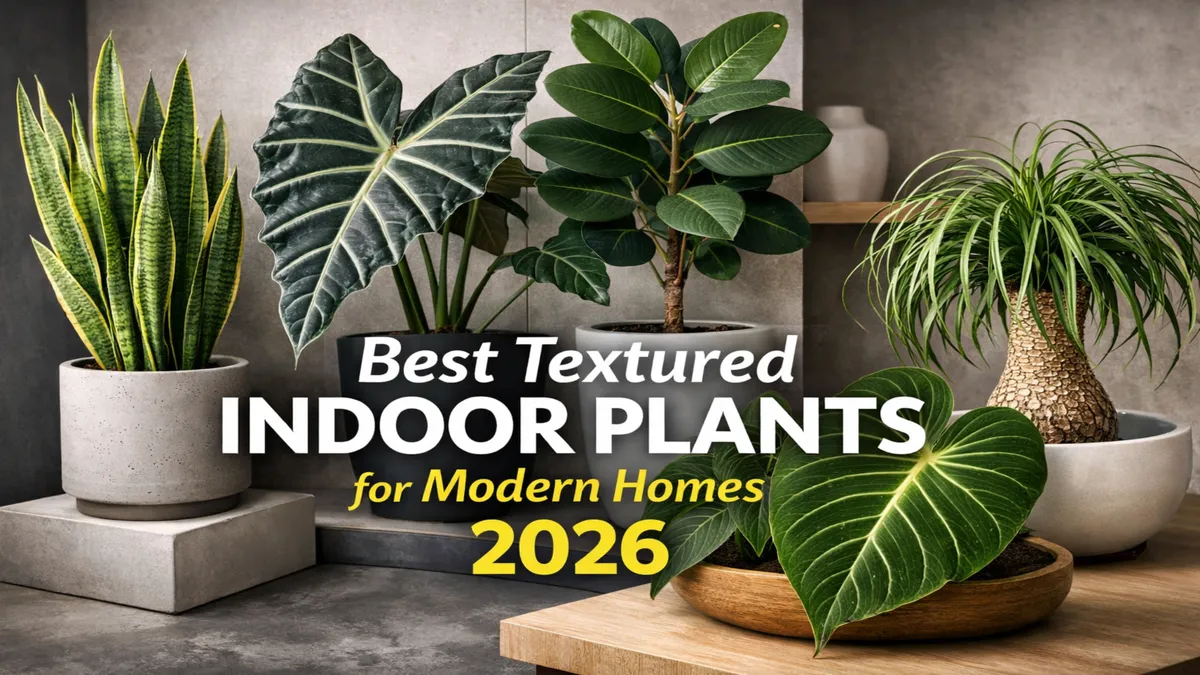
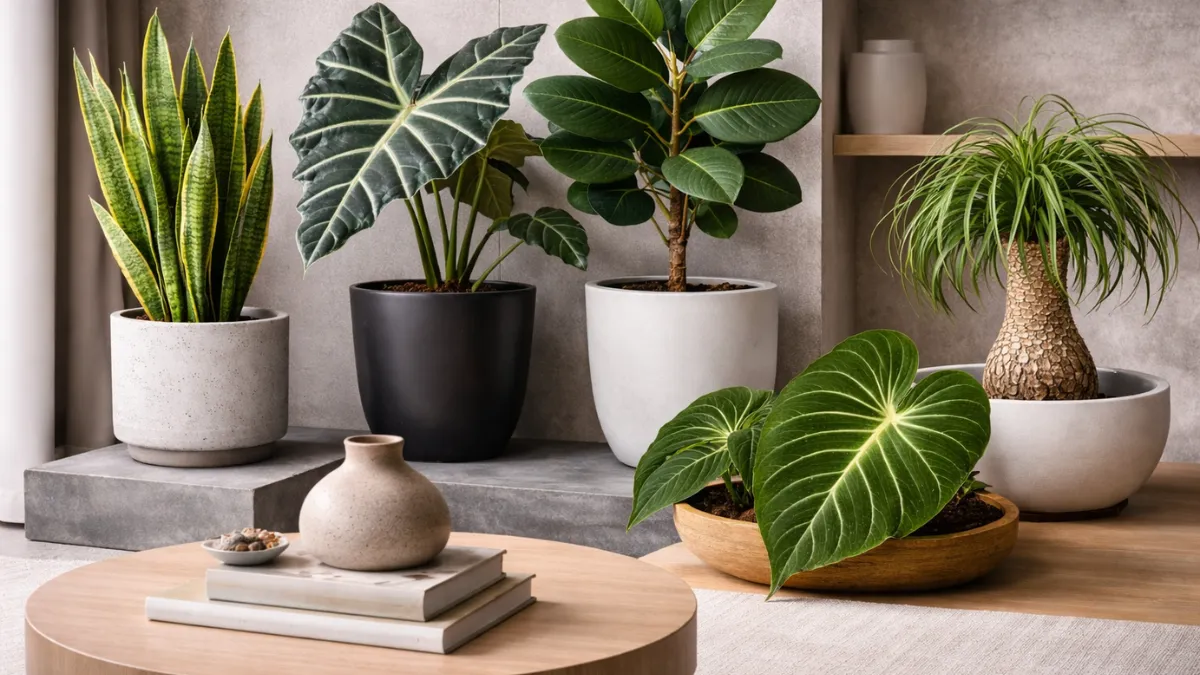
The best textured indoor plants for modern decor in 2026 include the Snake Plant, Alocasia, Ficus Audrey, Philodendron Gloriosum, and Ponytail Palm. These plants offer bold foliage textures, sculptural growth, and require minimal styling effort.
Why Texture Matters More Than Flowers in Modern Homes
Modern decor relies on contrast, such as smooth walls, matte finishes, and neutral colors. Plants with strong textures prevent spaces from feeling sterile.
• Why Texture Matters in Interior Design
• Modern Houseplant Styling Ideas
File Photo : Texture-forward foliage enhancing a clean, contemporary living space. Textured Plants:
• Create visual movement
• Replace decorative objects
• Look intentional even when sparse
Top Textured Indoor Plants for 2026
1. Snake Plant (Sansevieria)
These sharp, upright leaves act as natural architectural lines. Best for: Minimalist rooms, offices, entryways
Texture highlight: Vertical stripes and stiff texture
• Snake Plant Modern Decor
My personal experience : I've used snake plants in empty corners of my home where the decor felt sparse. It doesn't need any pot styling; it stands on its own.
2. Alocasia (Elephant Ear Variety)
Large, veined leaves instantly become a focal point.
Best for : Statement corners, modern living rooms
Texture highlight : Deep veins, matte-gloss contrast
Downside : Alocasia doesn't like irregular watering. If you often forget to water, its leaves wilt quickly.
• Alocasia Interior Styling
3. Ficus Audrey
A softer alternative to the Fiddle Leaf Fig with a velvety surface.
Best for : Scandinavian and Japanese decor
Texture highlight : Fine leaf hairs and thick stems
• Ficus Audrey vs. Fiddle Leaf Fig
What didn't work : Keeping it in low light slowed its growth considerably.
4. Philodendron Gloriosum
Chosen purely for texture, not height.
Best for : Coffee tables, shelves, low planters
Texture highlight : Corduroy-like leaf veins
• Philodendron Gloriosum Care Indoors
5. Ponytail Palm
Texture created by movement rather than leaf detail. Best for: Modern apartments, sunny locations
Texture Highlight : Curly, cascading leaves and thick trunk
• Ponytail Palm for Modern Homes
Quick Comparison Table
Plant
Texture Type
Light Needs
Maintenance
Snake Plant
Rigid, ribbed
Low–bright
Very low
Alocasia
Veined, bold
Bright indirect
Medium
Ficus Audrey
Velvety, thick
Bright indirect
Medium
Philodendron Gloriosum
Soft, ridged
Medium
Medium
Ponytail Palm
Flowing, sculptural
Bright
Low
How to Style Texture-Forward Plants Correctly
• How to style indoor plants for modern decor
• Use simple planters such as (concrete, ceramic, matte black)
• Avoid clustering them only one plant per visual zone
• Let negative space highlight the texture
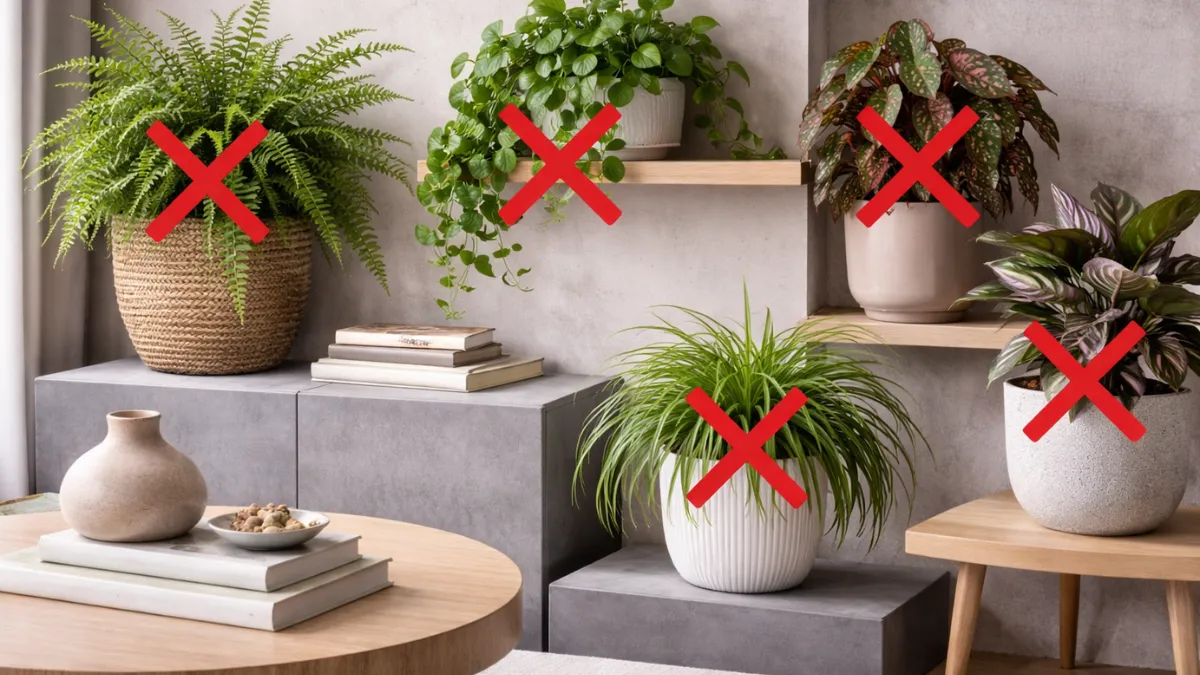
File Photo : Popular plants that appear stylish but don’t deliver strong visual texture.
Plants that look trendy but fail on texture
• Not every popular plant fits modern decor.
• Overly bushy ferns
• Small-leaved trailing plants in cluttered spaces
• Plants unsuitable for modern interiors
Purpose Clarity : This guide focuses on visual texture, not flowering or rapid growth.
Texture-forward plants don't just decorate they define a space. In 2026, the best indoor plants for modern homes are those that are deliberate, sculptural, and serene. Choose fewer plants, but choose ones with impact.
Written for IndoorPlantify, based on real indoor plant care experience.
Follow Us On Social Media
Join the Discussion
No discussions yet. Be the first to start one!
Expert FAQs
Why are textured indoor plants becoming more popular than flowering plants?
Interior design trends now prioritize foliage because ribbed, velvety, and patterned leaves add visual depth even when plants are not in bloom.
Which indoor plants are trending for modern interiors in 2026?
Plants with bold shapes, metallic tones, and dramatic foliage — such as Alocasia varieties and striped Philodendrons — are gaining popularity for their personality and decorative impact.
Do textured plants improve interior design aesthetics?
Yes. Designers increasingly prioritize texture because it creates contrast, influences mood, and enhances how light interacts with a space.
Are foliage plants replacing flowering houseplants?
Foliage is becoming the “real star” of indoor gardening, with uniquely shaped and patterned leaves driving current plant choices.
What makes a plant suitable for minimalist homes?
Statement foliage plants function like living décor and fit seamlessly into modern design styles that emphasize texture and personality.
What indoor plant trend is rising fastest right now?
Dark and moody plants with velvety textures and contrasting foliage are emerging as a major decor trend because they provide year-round visual drama with minimal maintenance.
Should you group textured plants or style them individually?
Current design focuses on curated plant groupings or intentional displays rather than scattering plants randomly throughout a home.
Why are statement foliage plants recommended for modern homes?
Large or uniquely shaped leaves add drama, height, and sophistication — making them ideal for contemporary interiors.