


Tulip plants are incredibly beautiful, which is why people enthusiastically take them home. But after a few days, their leaves droop, their flowers wilt, and then disappointment sets in. I've gone through this many times myself and was completely confused.
Often, tulips are treated like ordinary houseplants. We usually place them near windows, water them regularly, and wait for some magic to happen. But the problem isn't a lack of effort; the problem is that we're misunderstanding how tulip plants actually thrive and what the correct way to grow them is.
Related News


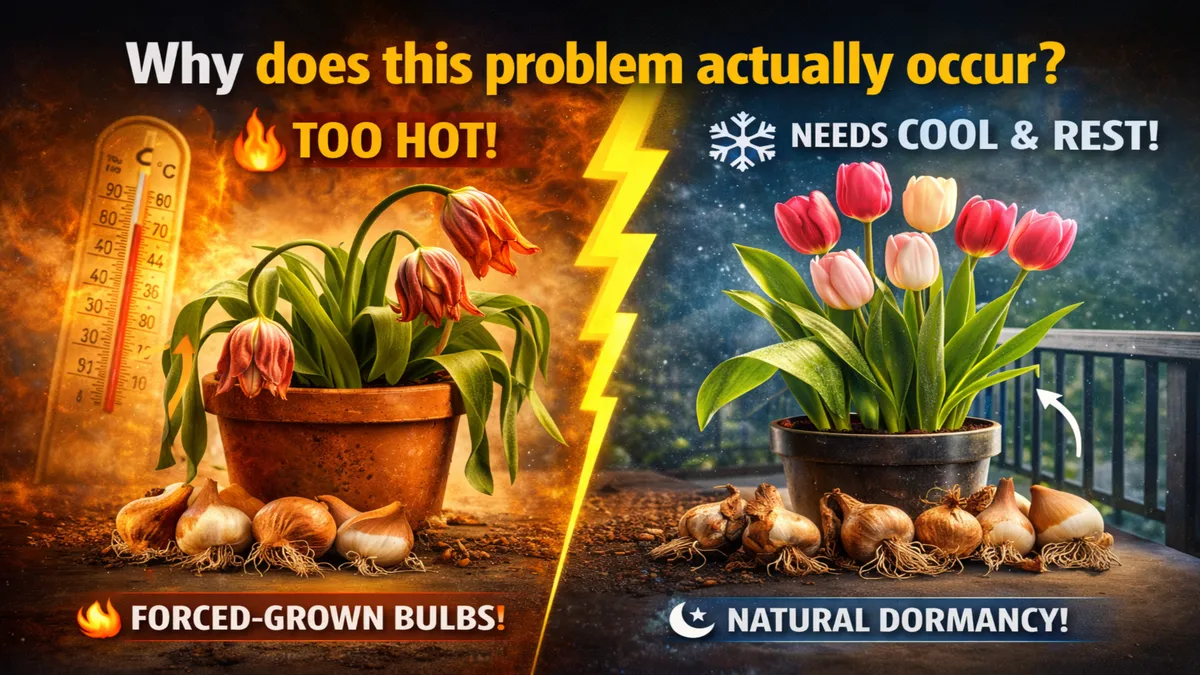
Why does this problem actually occur?
Tulips are not naturally indoor plants. They are seasonal bulbs that thrive only in cool weather and require a period of dormancy. In most Indian cities, rooms remain warm even during winter, which gradually stresses the plant without showing any immediate signs of damage.
Another reason is how tulip plants are sold in India. Many plants are forced-grown bulbs that are manipulated to bloom quickly. They are cultivated in a way that allows them to bloom once and then die, leaving the plant already exhausted. Without proper recovery conditions, and then placed in a typical home environment, it slowly succumbs.
Some signs that your plant is struggling:
The first sign is weak stems that cannot support the flower upright. While the leaves may appear green, they feel soft and limp. This is what confuses people because the plant looks alive but lacks the strength to stand upright.
Another sign is premature wilting of the flowers or buds drying up before they even open. This happens when the bulb, due to heat stress, is unable to support the blooming process. The plant tries, but fails, and quietly stops producing flowers without any warning.
Examples from Real Homes
In apartments with glass windows, tulips often receive intense light and hidden heat. Even winter sunlight can significantly raise the indoor temperature. I lost my first tulip this way, thinking the sunlight would help it, but the opposite happened.
In ground-floor homes, people often place tulips near the kitchen or bedroom. This exposes them to nighttime heat and daily fluctuations in temperature. Tulips, however, prefer cool, quiet places, not busy rooms where the temperature constantly changes throughout the day.
What Actually Works in Real Homes
Tulips can only survive indoors for a short display period. Treat them like cut flowers with roots, not long-lasting houseplants. Keep them in the coolest room, away from heaters, stoves, and sunny windows.
Water tulips only when the topsoil feels dry. Overwatering in warm rooms stresses the bulb. I learned from these mistakes that less care is often better. Too much attention often shortens the plant's already limited indoor lifespan.
Some Small Changes That Make a Big Difference
Place the pot near a balcony door where cool air circulates. Morning light is sufficient for tulips. Protect them completely from direct afternoon sun. This simple change can extend the life of the blooms by several days.
After the flowers fade, don't expect new blooms indoors. Let the leaves dry naturally. Then remove the bulb and store it dry in a cool place. This allows the bulb to rest properly.

Some Common Mistakes People Repeatedly Make
Many people think that tulips fail because they don't receive proper fertilization. You shouldn't fertilize them during flowering because fertilization actually harms them. Tulips use the energy stored in their bulbs, not extra nutrients. Fertilizing at the wrong time weakens the plant.
Another mistake is throwing away the bulbs immediately after the flowers die. Those bulbs aren't dead yet. With patience and proper storage, they can rebloom outdoors or in cooler climates, although they won't easily rebloom indoors.
Conclusion
Tulips aren't difficult plants. They are simply honest plants with clear needs. Indian homes are warm and bustling, while tulips prefer peace and coolness. Understanding this difference reduces frustration and sets realistic expectations.
Enjoy tulips as seasonal guests, not as permanent residents. Appreciate their beauty while it lasts. When we stop trying to force plants to adapt to our homes, caring for them becomes peaceful and rewarding over time.