

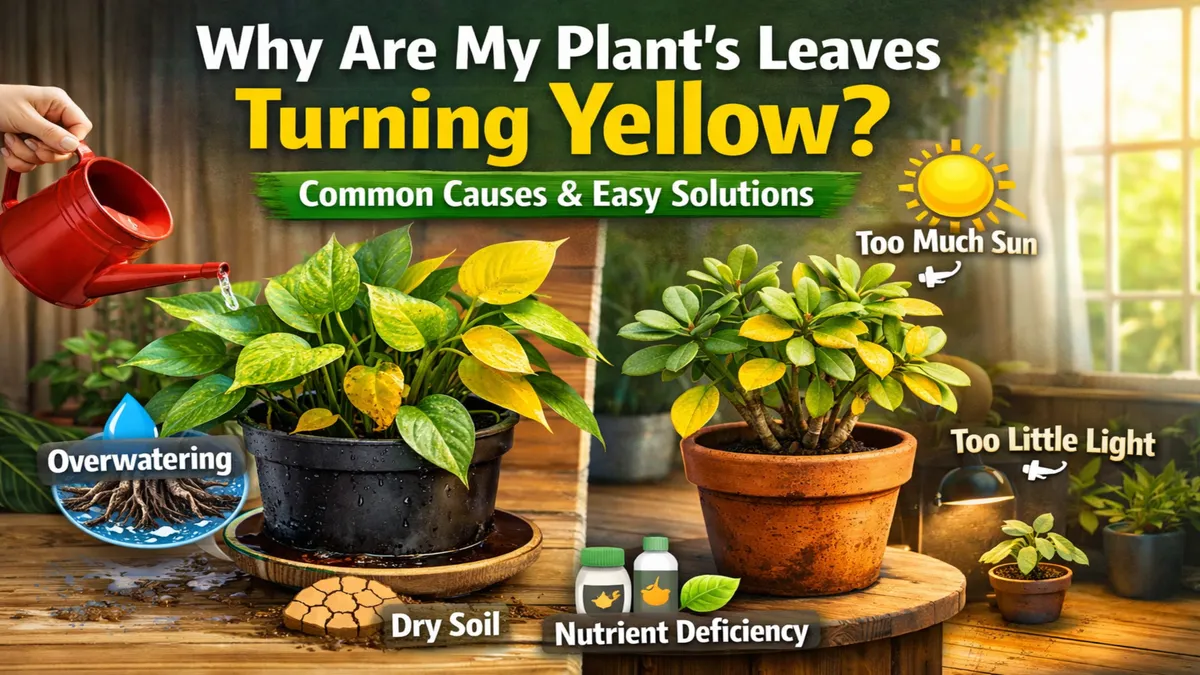
Yellowing leaves on indoor plants often troubles almost every plant lover. I've seen this problem in many homes, especially in low-light apartments and during changing seasons. I've also encountered it many times. While many people think their plant is dying, this isn't always true. Yellowing leaves are usually a sign of something minor going wrong. Once you understand the cause, the solution is often simple and practical.
The Most Common Causes of Yellowing Leaves on Indoor Plants
In my own experience, the most common cause of yellowing leaves is simply improper watering. Either we overwater or forget to water for several days. Both situations stress the plant, causing its roots to stop functioning properly.
Related News
Another common cause is light. Some plants require bright light, while others prefer shade. Placing a shade-loving plant in bright sunlight or a sun-loving plant in a dark corner can cause their leaves to gradually turn yellow.
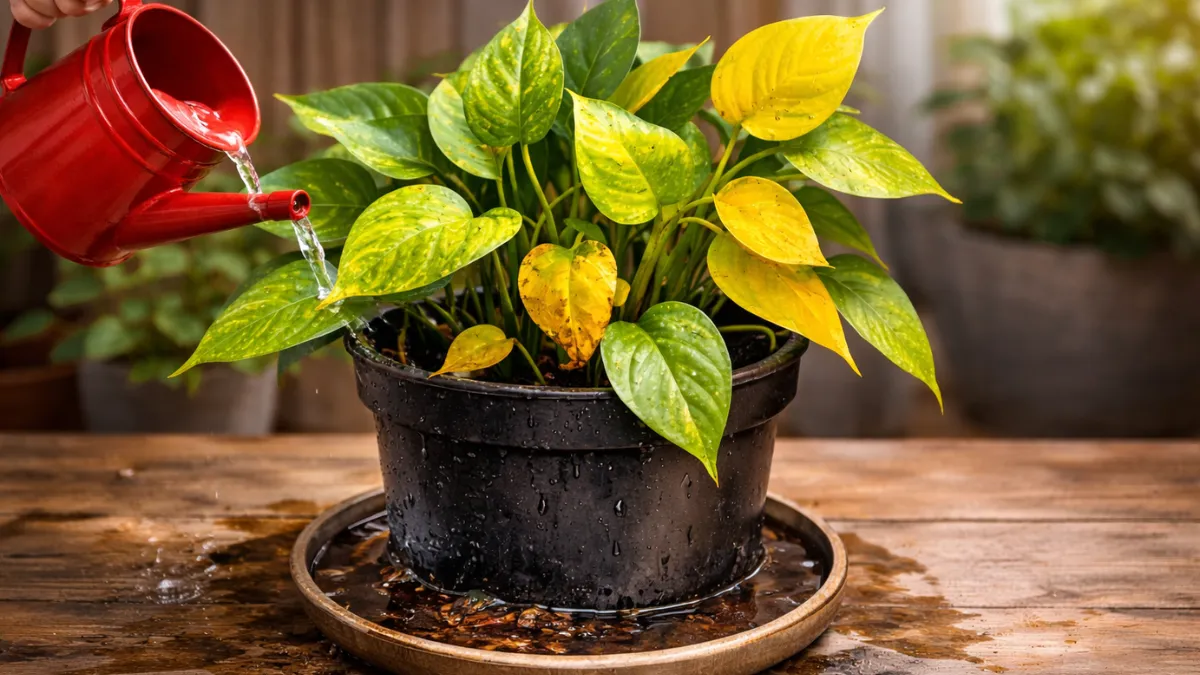
Overwatering – A silent killer of plants
How overwatering causes leaves to turn yellow
When the soil in your pots remains wet for too long, the plant's roots cannot breathe, leading to leaf drop. In many homes, pots without drainage holes exacerbate this problem. This causes the roots to gradually rot, and the leaves lose their healthy green color and turn slightly yellow.
Easy Solution to Overwatering
Always check the soil before watering. Insert a finger into the soil. If the soil feels wet, wait for it to dry. Use pots with proper drainage holes and drain any excess water from the tray. Most indoor plants prefer slightly dry soil between waterings.
Problems of Underwatering and Dry Soil
Signs of Underwatering
The leaves of underwatered plants become yellow and dry at the edges. Their leaves may even wilt. In summer, especially in rooms without AC, the soil dries out very quickly, and the plants suffer silently.
How to Fix the Problem of Underwatering
Establish a simple watering routine. Water the plants until water comes out of the hole in the bottom. Avoid watering in small quantities every day. Lightly mulching the soil surface can also help maintain moisture.
Light Problems That Cause Leaves to Yellow
Too Much Direct Sunlight
Frequent afternoon sunlight from windows can burn the leaves of indoor plants, causing them to first appear yellow spots and then brown. Plants like peace lilies and snake plants do not like intense sunlight.
Too Little Light
Low light significantly slows down the plants' food production process. Their leaves turn pale yellow and growth is stunted. For better recovery, place the plant near a bright window with indirect light.
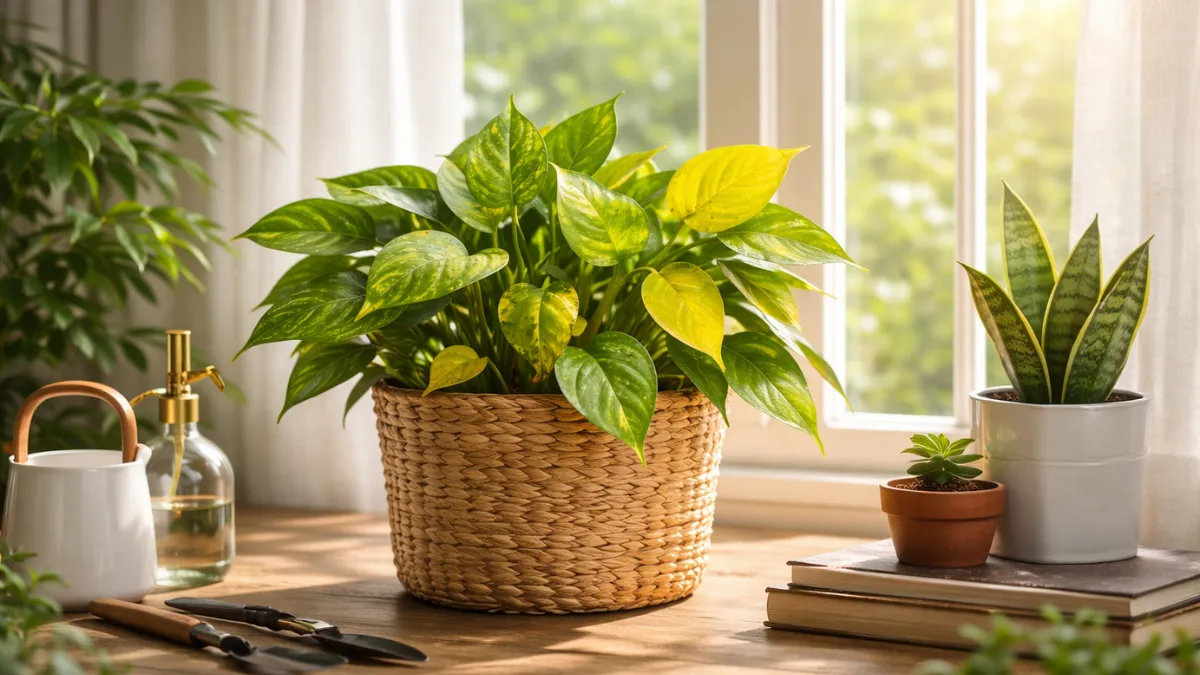
Nutrient Deficiency in Indoor Plants
Why Soil Loses Nutrients
Indoor plants often grow in limited soil. Over time, nutrients are leached from the soil during watering. Yellowing leaves, especially older leaves, are often a sign of nitrogen deficiency.
Easy Way to Correct Nutrient Deficiencies at Home
Use a balanced liquid fertilizer once a month during the growing season. You can also use a small amount of vermicompost. But avoid over-fertilizing, as this can cause further problems.
Temperature and Stress Factors
Sudden temperature changes can also cause yellowing of leaves. Direct exposure to cold AC air or kitchen heat can shock plants. Indoor plants prefer stable conditions. For healthy growth, keep them away from AC vents, heaters, and gas stoves.
Common Mistakes vs. Correct Solutions (Helpful Table)
| Mistake | What Happens | Correct Fix |
|---|---|---|
| Daily watering | Root rot and yellow leaves | Water only when soil is partly dry |
| No drainage hole | Water stays in pot | Use pots with drainage |
| Dark corner placement | Pale yellow leaves | Move to bright indirect light |
| No fertilizer for months | Weak yellow growth | Feed monthly with mild fertilizer |
When Yellow Leaves Are Normal
Sometimes, yellow leaves can be normal. This is because older leaves at the bottom turn yellow and fall off as new growth emerges. This is normal, especially in plants like money plants and rubber plants. Simply remove the yellow leaf gently and continue with your regular care.
Related Article:
[Best Indoor Plants for Beginners (No Gardening Experience Needed)]
Related Article:
[Best Indoor Plants for Renters (No Damage, Low Care)]
Related Article:
[Best Bedroom Plants for Oxygen & Better Sleep (Science-Backed)]
Final Tip
Yellow leaves aren't a failure. They're your plant's way of communicating with you. Carefully observe watering, light, and location. Make small adjustments, not drastic changes. With patience and simple care, most indoor plants recover well. I've saved many "almost dying" plants by correcting these basic mistakes.