


Many indoor plants often die suddenly after appearing healthy for months, and this confuses most plant owners. They wonder why their plant's leaves were green, growth seemed fine, and the care routine hadn't changed. In reality, many problems begin silently below the soil or inside the plant, long before any visible damage appears. What seems sudden is usually a delayed stress that has reached its breaking point.
Quick Comparison:
• Best for low light : Snake Plant
• Best for fast growth : Spider Plant
• Best for beginners : Pothos
• Best for air purification : Areca Palm
Related News

Hidden Root Problems That Develop Over Time
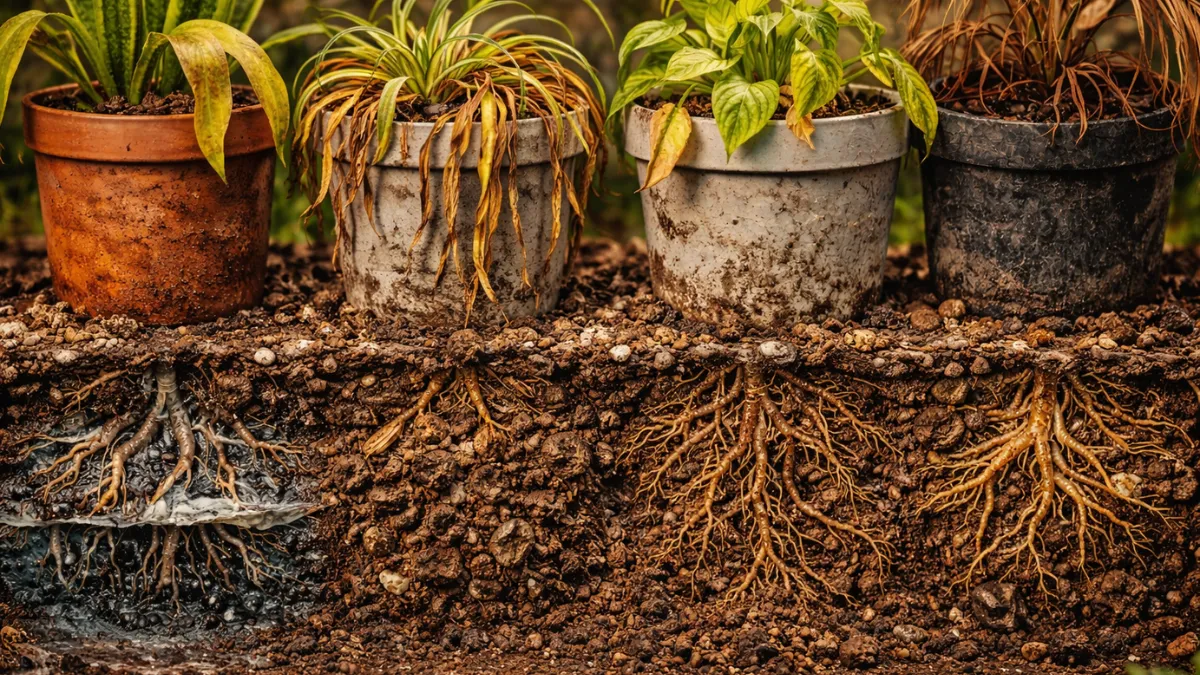
The roots are the first place problems begin, but they are also the hardest to see. The soil can gradually lose oxygen, retain too much water, or become compacted around the roots. The plant survives for months until the roots finally stop functioning properly.
Another common problem is mild root rot that develops very slowly. The plant may continue to produce leaves using stored energy. Once that reserve is depleted, the plant wilts very quickly, making the damage seem sudden.
Soil That Looks Fine But Stops Supporting Life
Potting soil doesn't always remain healthy. Over time, it breaks down into smaller particles that trap water and restrict airflow. Nutrients also gradually leach away, even if the plant appears stable above ground.
When the soil can't drain or breathe, the plant's roots suffocate. This can cause the plant to remain green for months, then suddenly turn yellow, wilt, or drop its leaves when the stress on the roots becomes severe.
Overwatering methods that don't show early signs
Overwatering is rarely dramatic at first. But even small amounts of excess water over weeks gradually weaken the roots. The plant temporarily adapts, giving a false sense of success.
Eventually, the roots lose their ability to absorb water. The cruel irony is that the plant then shows signs of drought, even though the soil is wet. At this stage, the damage is already extensive, and the decline is rapid.
Light changes that seem minor but matter a lot
Indoor light often changes gradually as furniture is moved, seasons change, or nearby plants grow larger. These changes may not seem significant, but plants respond slowly.
A plant can survive for months in slightly less light by using stored energy. When the energy reserves are depleted, growth slows and leaf drop accelerates, making the decline seem sudden.
Pot size limitations that plants quietly outgrow
The roots eventually fill all the available space in the pot. When this happens, water drains straight through without being properly absorbed, and nutrients cannot be stored.
The plant may look fine while growth gradually slows. But once the roots become tightly bound, the stress increases rapidly, and the plant can decline in just a few weeks.
Related articles:
Why Peonies Are Suddenly Everywhere : The Flower Weddings Cant Stop Searching
Fertilizer stress that causes delayed damage
Fertilizer problems often don't show up immediately. Too little fertilizer leads to a gradual nutrient deficiency, while too much fertilizer causes a buildup of salts in the soil.
In both cases, the roots are gradually damaged. And the leaves can remain green until the internal systems fail. By the time symptoms finally appear, recovery becomes very difficult.
Environmental Stress from Dry Air and Poor Circulation
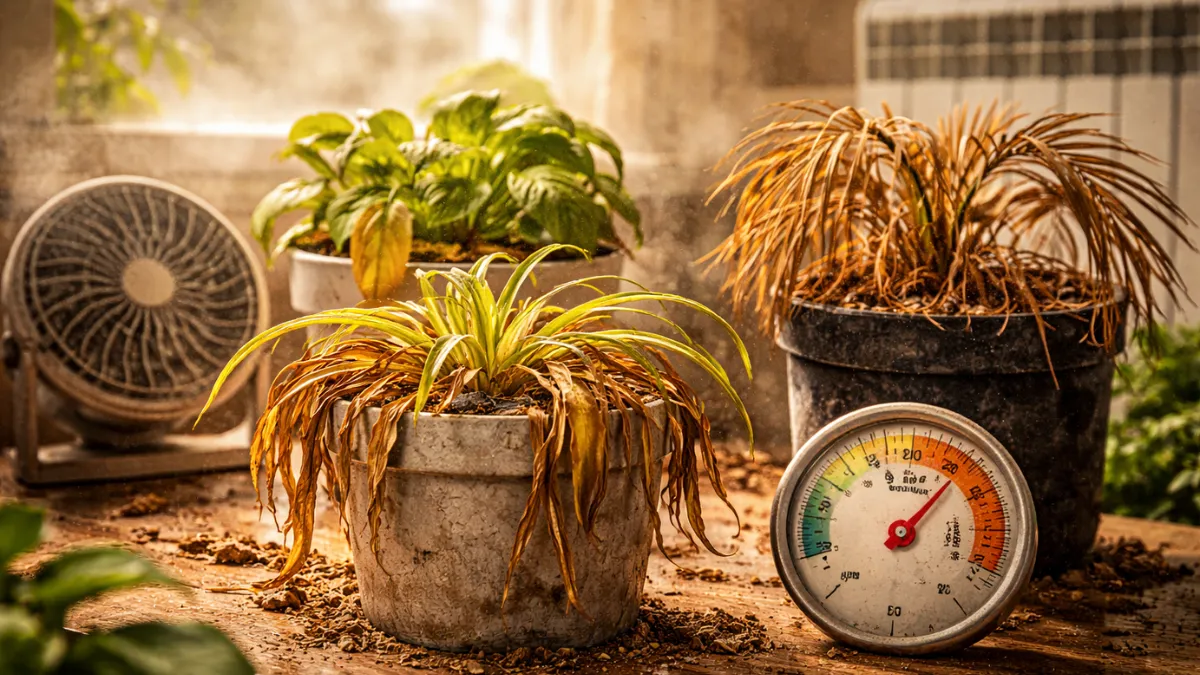
Indoor air can slowly dry out roots and leaves without any clear warning. This is because poor air circulation also increases humidity around the roots and stems.
Plants tolerate this imbalance for a long time. Once the stress crosses a threshold, leaf drop, stem collapse, or sudden wilting can occur.
Why Fixing Everything at Once Often Fails
When your plants start dying, many people simultaneously overwater, move the plant, repot, and fertilize. This adds further shock to an already stressed system.
Plants recover best from changes made gradually, one at a time. Rapid changes often accelerate the decline rather than prevent it.
Common Causes of Sudden Plant Death vs. Real Solutions
| Problem | What Actually Helps |
|---|---|
| Slow root rot | Let soil dry fully and improve drainage |
| Old compacted soil | Repot with fresh, airy mix |
| Low hidden light | Move closer to natural light slowly |
| Salt buildup | Flush soil with plain water |
| Root-bound stress | Repot one size up only |
What can't revive dying plants?
Overwatering will never fix root damage. Over-fertilizing won't fix poor soil. Constant fussing won't reduce stress.
Once roots are damaged, recovery depends on stopping the cause, not forcing growth.
Related articles:
Snake Plant Stalled? Why Your Plant Isnt Growing For Months
Related articles:
Indoor Plants : Complete Beginner-to-Expert Guide (2026 Edition)
Final thoughts
Indoor plants rarely die without warning. The warning signs are simply below the surface or develop gradually over time. What seems sudden is usually the result of months of silent stress that finally manifests itself. Consistent care, well-draining soil, proper lighting, and patience are far more effective at preventing most plant deaths than quick fixes.