

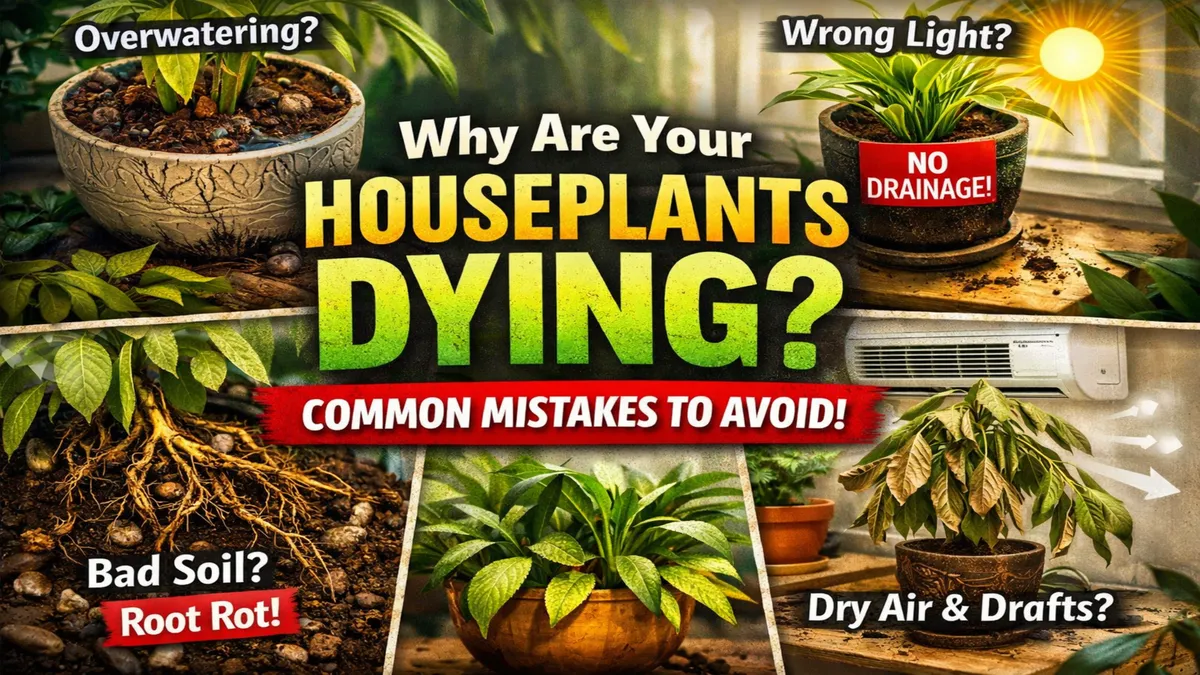
You water your plants regularly. You even check their soil. Yet, one by one, your houseplants look tired, weak, or dead. It's heartbreaking, especially when you genuinely care for them. Most people assume watering is the main problem. But often, in homes, plants die due to small, hidden mistakes we never notice. Let's talk honestly about what's really going wrong and how to fix it.
Quick Comparison :
Related News

Best for low light : Snake Plant
Best for fast growth : Money Plant
Best for beginners : ZZ Plant
Best for air purification : Areca Palm
You're watering correctly, but the light is wrong
Many homes have plenty of light for humans, but not enough for plants. Because a bright room doesn't necessarily mean the plants are getting the right kind of light. Most houseplants slowly die because they don't get adequate sunlight.
Place your plants near windows but away from direct sunlight. Direct sun causes their leaves to yellow, stunts growth, and weakens the roots over time. Even proper watering can't save a plant that's starving for light.
Pots that look good but kill plants
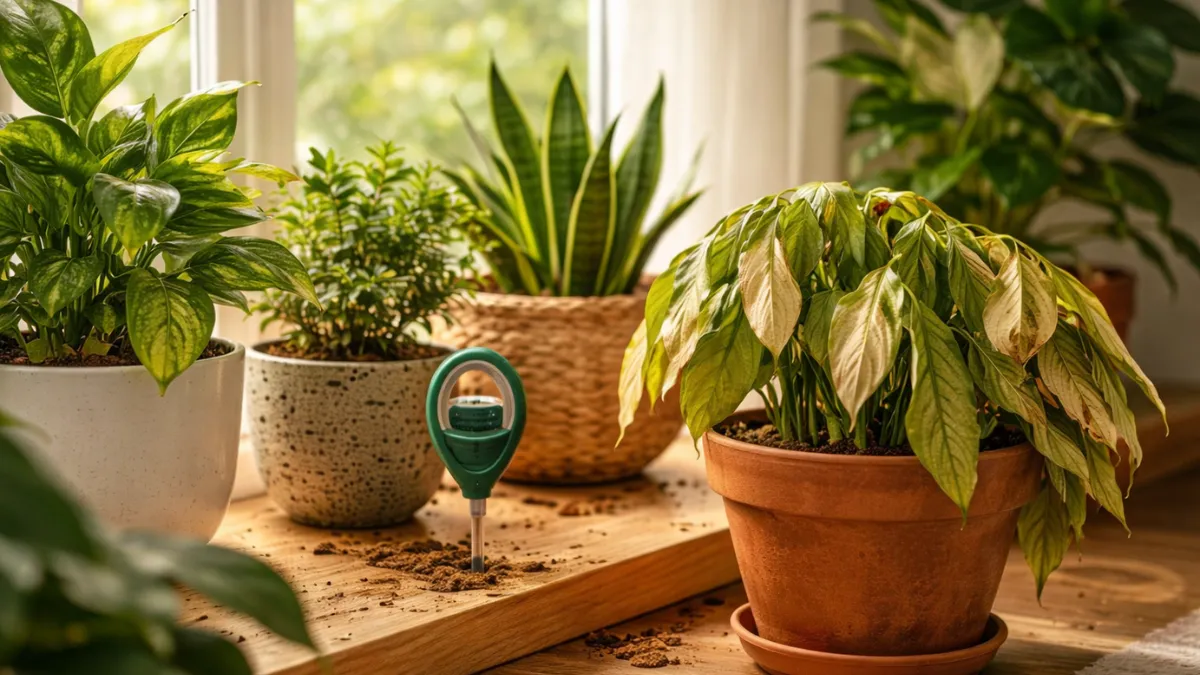
Beautiful pots without drainage holes are silent killers for plants. Water accumulates at the bottom, and the roots slowly rot. You might not see it, but damage is happening underground every day.
Heavy ceramic or decorative pots also dry out very slowly. This traps moisture and suffocates the roots, even if you're only watering once a week.
Soil is the biggest hidden problem
Most houseplants are sold in cheap, compact potting soil. This soil looks fine but retains too much water. However, roots need air as much as they need water.
When the soil stays wet for days, the roots can't breathe. This leads to yellowing leaves, fungal growth, and sudden plant decline. Repotting the plant once after buying it makes a huge difference.
Over-caring is more dangerous than neglect
Constantly touching the leaves, moving the plants around, and checking the soil repeatedly—all of this stresses the plants. Houseplants thrive on routine and stability.
Many plants die because their owners love them too much. Plants don't need daily attention. They just need consistent light, space, and calm care.
Indoor air is not good for plants
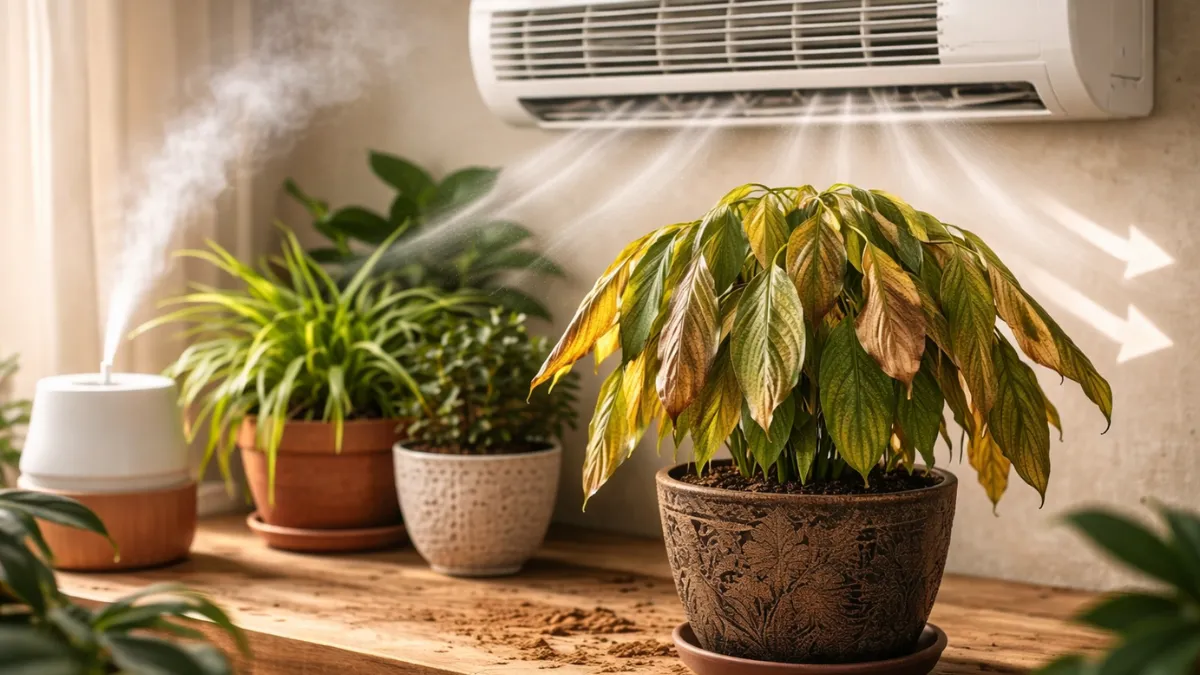
Closed windows, fans, air conditioning, and dry air negatively affect plants. Some plants need fresh airflow to stay healthy.
Plants placed in cramped corners or near AC vents dry out unevenly. This causes leaves to curl, tips to brown, and weak growth even with proper watering.
Common Mistakes vs. Easy Solutions (Table)
| Common Mistake | Simple Fix |
|---|---|
| Watering on schedule | Water only when top soil feels dry |
| Using decorative pots | Use pots with drainage holes |
| Low light placement | Move plant near window light |
| Never changing soil | Repot once in 6–8 months |
| Keeping near AC/fan | Place in calm air corner |
Misusing fertilizer slowly kills plants
Many people add fertilizer thinking it will further boost growth. But too much fertilizer can silently burn the roots.
Indoor plants need very little fertilizer. Often, once every 30-40 days is sufficient in most homes. More than that can lead to salt buildup and damage the leaves.
The type of plant matters more than you might think.
Not all plants are suited for indoor environments. Some plants sold as "indoor" plants actually need the brighter light of a balcony or patio.
Choosing plants that match your home's lighting saves effort. For example, snake plants, pothos, and ZZ plants survive better indoors than flowering plants.
Related article:
Overwatering Is not the Problem : The Real Reason Your Plants Are Dying
Choosing a location is a bigger decision than watering
A plant's location determines whether it will survive. Factors like the heat of the kitchen, the humidity of the bathroom, or dark corners can slowly damage plants.
Try a location and leave the plant there for two weeks. If its leaves improve, leave it there. Plants communicate through their leaves if you pay attention.
Related article:
ZZ Plant Low Light Survival Exposed : The Truth Most Homes Get Wrong
Roots are damaged before leaf damage is visible
By the time the leaves look damaged, the roots have already been affected. This is why a plant's sudden death seems surprising.
Check the roots regularly during repotting. Healthy roots are white and firm. Brown, mushy roots mean the problem started much earlier.
Related article:
Best Indoor Plants for Small Apartments (Space-Saving Picks 2026)
Final tips from real-world experience
Indoor plants don't die because you water them incorrectly. They die because the little things are overlooked. Light, pot size, soil, air circulation, and patience matter more than a strict schedule. Gradual care works better than quick fixes. Observe quietly, make small changes, and let the plants adjust. Over time, your plants will survive—and thrive.