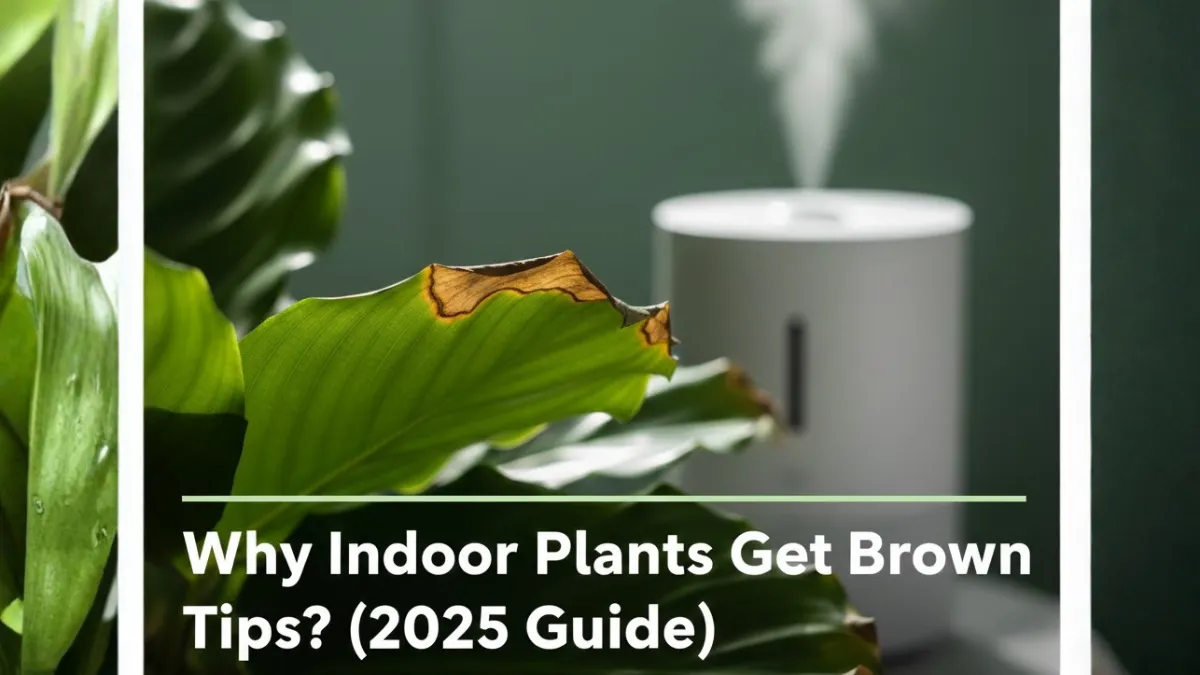
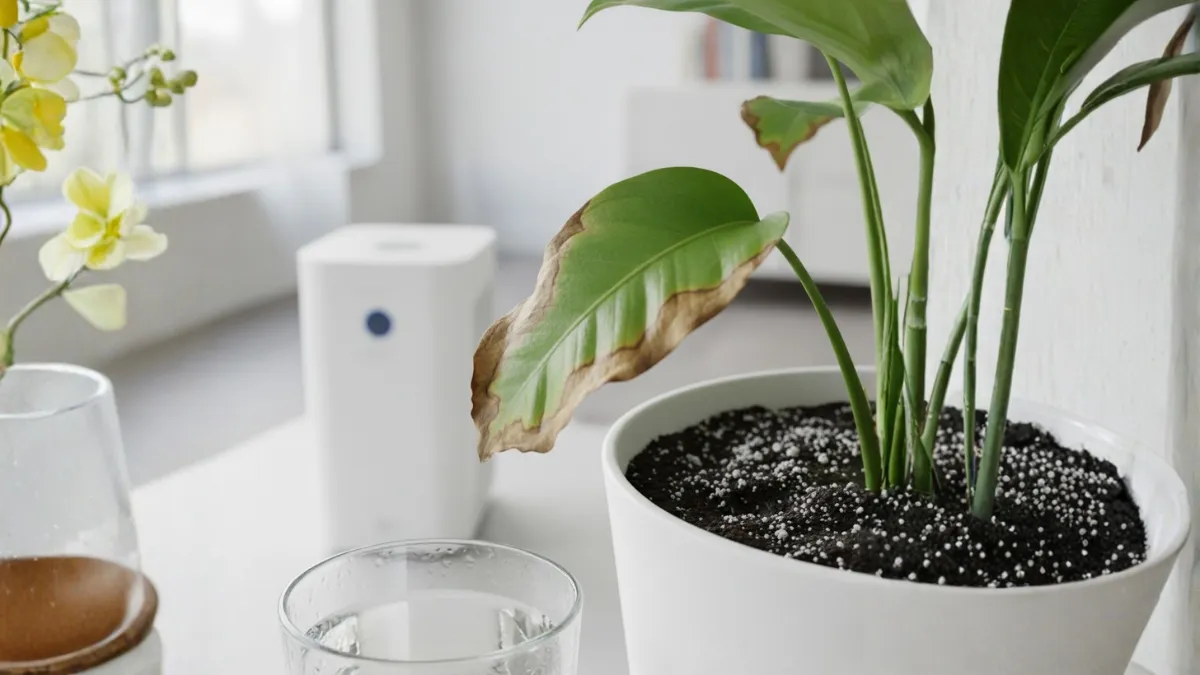
Brown tips on indoor plants are rising as a major 2025 Google trend. Low humidity, water quality issues, sunburn, and pests are the main reasons behind this common winter plant problem.
✨
AI summarized this news · Reviewed by Indoor Plantify
Brown tips on indoor plants is one of the most searched queries on Google these days like “why are the tips of the leaves drying” and “why are the leaves of my plants turning brown”. This problem increases every year at the beginning of winter when the humidity decreases and heaters/ACs are used more frequently which is a signal for brown tips. It shows that your plant is suffering from dry air, irregular watering, salt accumulation or nutrient imbalance because these symptoms are seen in every indoor plant and today we will tell you about this problem that if you are also facing the same problem then how can you fix that problem.
The leaves are turning brown due to low humidity.
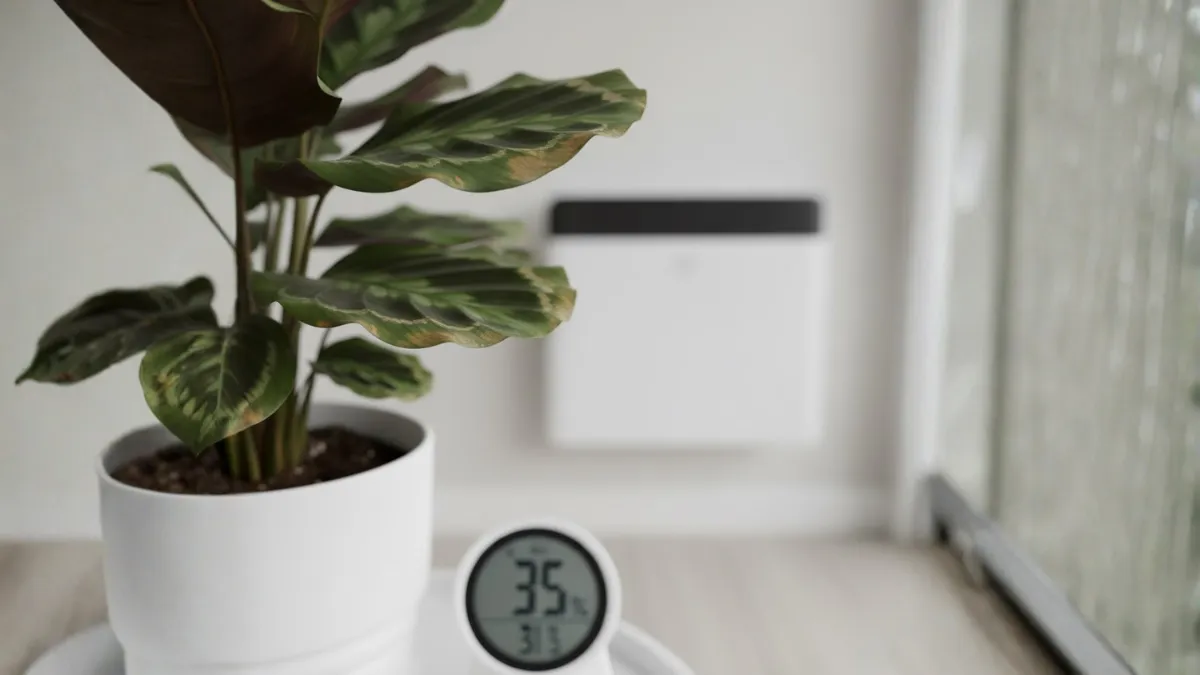
Do Indore plants turn brown due to dry air? This can happen when the humidity drops below 40%, the edges of the leaves start drying naturally. This problem is occurring in many Indore plants like Peace Lily, Calathea, Fern, Pothos, Areca Palm and Spider Plant are the most affected.Your Indore plants turn brown because they lose moisture. The easiest solution is to increase the humidity by using a pebble track in a bowl of water or keep the plants together. Never keep the plants in cooler air or AC/heater air.
File Photo : Low humidity causing brown tips on indoor plant leaves.
Water quality issues (fluoride, chlorine, hard water)
Indoor plants often dry out because the fluoride, chlorine, and mineral salts in your tap water often cause them to turn brown. These chemicals can accumulate in the soil and burn the edges of the leaves. There are several solutions; let me explain them one by one.
• Use only filtered RO water or tap water soaked overnight for your indoor plants.
• Change the soil once every month to avoid salt accumulation on the plants.
• You should never use too much fertilizer.
Brown ends but the soil is wet why is this happening?
Due to excessive watering, the roots of the plants die and the flow of nutrients in them stops, due to which the edges of their leaves turn yellow and bad. Always keep the plants in a pot with drainage hole, if this is not done then this problem will double. There are some solutions to fix this, which I am telling through points.
• Before watering, make sure that the soil of the plant is 60 to 70% dry, only then you should water the plant.
• Always use pots with drainage holes.
• Always empty the saucer after watering.
• When the pressure on the roots is relieved, the leaves will grow without brown tips.
Excessive sunburn or heat burn
The intense afternoon sun burns tender leaves, especially those of ficus, calathea, and philodendron, causing them to dry out quickly.Strong UV light from windows can also dry out the edges of the leaves. Keep the plants in indirect light during these times.
File Photo : Brown, crispy leaf tips on an indoor plant caused by low humidity — a clear sign of stress commonly seen in winter and dry indoor conditions (2025 Updated Guide).
Insect damage (especially spider mites)
Ultimately why are your plants turning into small brown spots on the tips? It is happening due to spider mites because spider mites suck moisture from the leaves which causes crispy spots on the edges of the leaves. You should always check the underside of your leaves and use neem oil spray every week to avoid insects.
Final Thoughts
Almost all these problems can be solved, just improve the humidity and change your watering habits, improve the water quality even more and do not let salt accumulate on the leaves, if you use all these things properly then your problem will be solved.
Follow Us On Social Media
Join the Discussion
No discussions yet. Be the first to start one!
Expert FAQs
Why do indoor plants often develop brown tips, especially during winter?
Brown tips on indoor plants are a common issue, particularly in winter when humidity decreases and heaters/ACs are used more frequently. This indicates problems like dry air, irregular watering, salt accumulation, or nutrient imbalance.
How does low humidity contribute to brown tips on indoor plants?
When humidity drops below 40%, indoor plants lose moisture, causing the edges of their leaves to dry out and turn brown. This problem affects many plants, including Peace Lily, Calathea, and Fern.
What are effective ways to increase humidity for indoor plants to prevent brown tips?
To increase humidity, you can use a pebble tray in a bowl of water, group plants together, and avoid placing them in cooler air or near AC/heater vents.
Can the quality of tap water cause brown tips on indoor plants?
Yes, fluoride, chlorine, and mineral salts present in tap water can accumulate in the soil over time, burning the edges of the leaves and causing them to turn brown.
What measures can be taken to prevent brown tips caused by poor water quality?
To prevent this, use filtered RO water or tap water that has been soaked overnight for your plants. Additionally, change the soil monthly to avoid salt accumulation and refrain from using excessive fertilizer.
Why do plant leaves sometimes turn brown even when the soil is wet?
Brown tips on plants with wet soil often indicate overwatering. This can lead to root rot, which stops the flow of nutrients to the leaves and causes their edges to turn yellow and brown.
What are the key steps to prevent brown tips caused by overwatering?
Always ensure the plant's soil is 60-70% dry before watering. Use pots with drainage holes and consistently empty the saucer after watering to prevent water from sitting around the roots.