

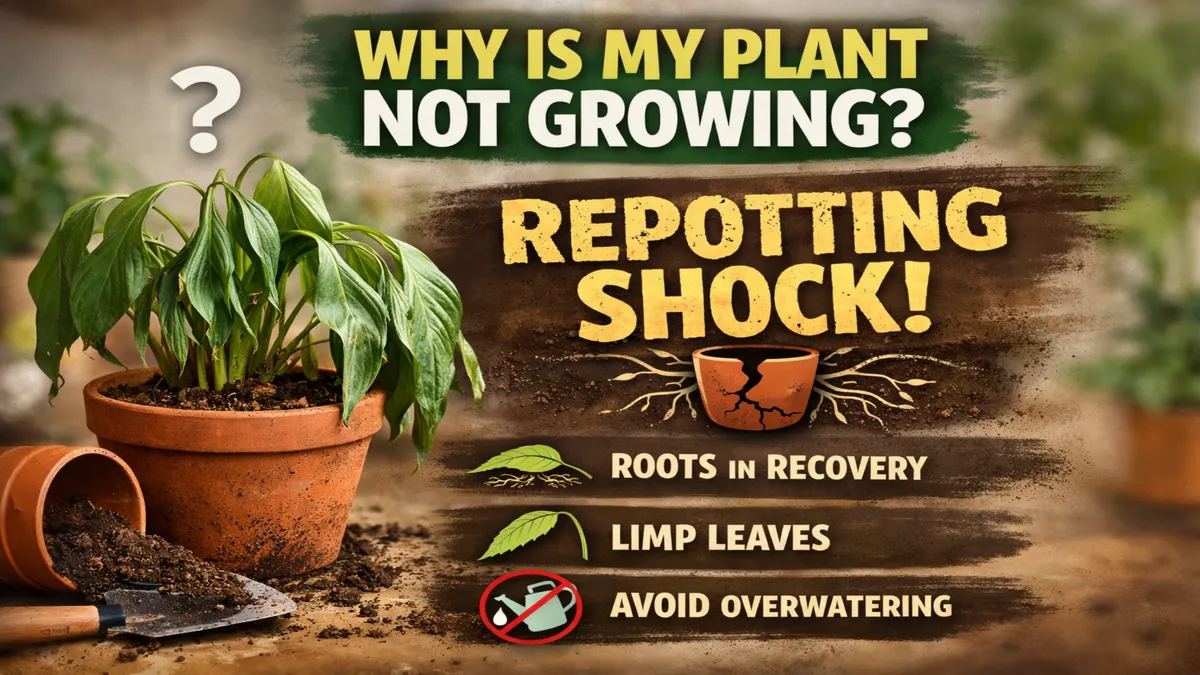
Many people enthusiastically repot their indoor plants, hoping they will grow quickly and sprout fresh leaves, but instead, their plant becomes slow, stagnant, and sometimes even wilts. I've experienced this anxiety myself many times after repotting plants at home.
Initially, it's confusing because the plant looks healthy, the soil is fresh, and the watering seems correct. Yet, nothing happens. No new leaves, no increase in height. This slow phase is normal, but most people don't understand why it occurs.
Related News


Why this problem actually happens
When a plant is repotted, its roots experience stress, no matter how careful you are. Those roots get disturbed, bent, or slightly broken, and the plant needs a significant amount of time to feel secure again in its new pot.
Instead of growing leaves, the plant first uses its energy to repair its roots. This happens silently underground, so we don't see it, and we think the plant isn't doing anything.
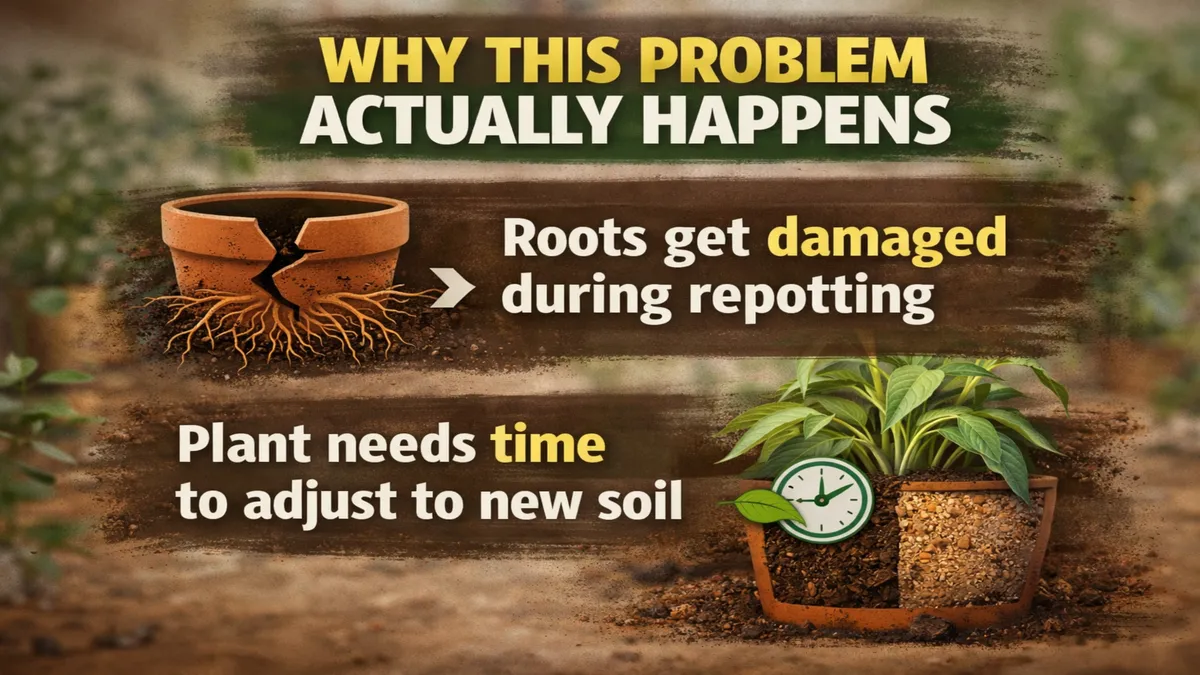
Another reason is the change in the environment inside the pot. The new soil absorbs water differently, the air pockets change, and the roots need time to learn how to properly absorb water again.
Until the roots adjust, the plant slows down everything above the soil. This isn't weakness. It's survival mode, and almost every indoor plant does this after repotting.
Signs that your plant is stressed
After repotting, plants often stop growing new leaves for a while. Because the old leaves remain the same size, the plant appears stagnant, as if it's resting rather than growing.
Sometimes the leaves lose a little of their shine or feel softer than before. This doesn't mean your plant is dying. This simply means the roots are busy establishing themselves in their new location.
Examples from real homes
In our homes, money plants often stop growing after being repotted and sit quietly by the window. Snake plants may not produce new shoots for weeks, even though the leaves remain healthy.
Also Read : Is Misting Indoor Plants Really Helping or Just Fooling You in AC Rooms?
Meanwhile, peace lilies might droop slightly for a few days, then straighten up again without producing any flowers. These signs might seem worrying, but they are part of the normal repotting shock experienced by common indoor plants.
What Actually Works in Real Homes
The best thing you can do is give it time and reduce, rather than increase, the care. Most plants recover faster when we stop fussing over them.
Place the plant in a location with consistent, indirect light. Avoid moving it around daily. Plants don't like constant changes, especially when their roots are already stressed. These small changes make a big difference.
Water only when the topsoil feels dry, not according to a schedule. Overwatering after repotting is very common and only prolongs the root recovery process.
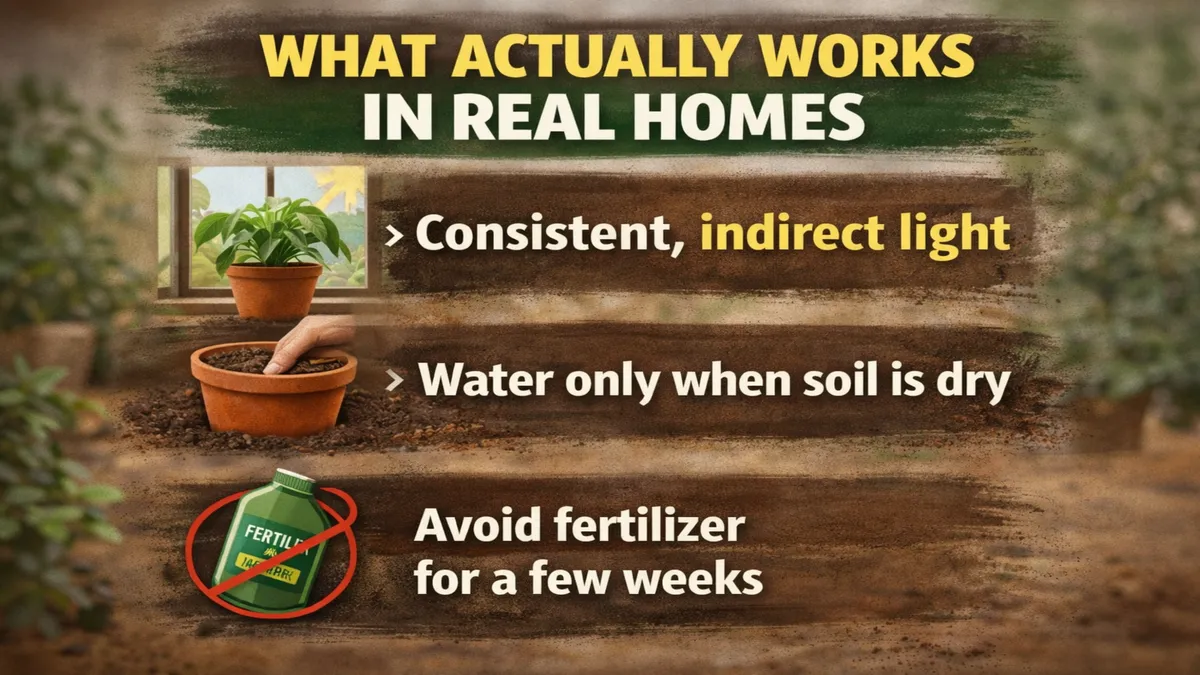
Avoid fertilizing for at least three to four weeks. Fresh soil already contains nutrients, and fertilizing too soon can burn the delicate roots, hindering the plant's growth.
Common Mistakes People Keep Making
Many people assume slow growth means they've chosen the wrong pot again, so they keep repotting. This only stresses the plant further and delays recovery, sometimes for months.
Another common mistake is forcing the plant into direct sunlight to encourage growth. After repotting, plants always need indirect light, not harsh sunlight that dries out the soil.
Some people keep taking the plant out of the pot to check the roots. This breaks the delicate tips of the new roots that were just forming and stresses the plant again.
I've made all these mistakes myself, thinking I was helping my plant. But I later learned that patience is more important than excessive care.
Conclusion
Slow growth after repotting is not a failure. It's a quiet period of recovery. The roots grow first, then the leaves will gradually and naturally follow. If you provide consistent light, careful watering, and a stable place to settle, your plant will come back even stronger. Indoor plants don't rush things. They only thrive when they feel secure, just like in real homes.