

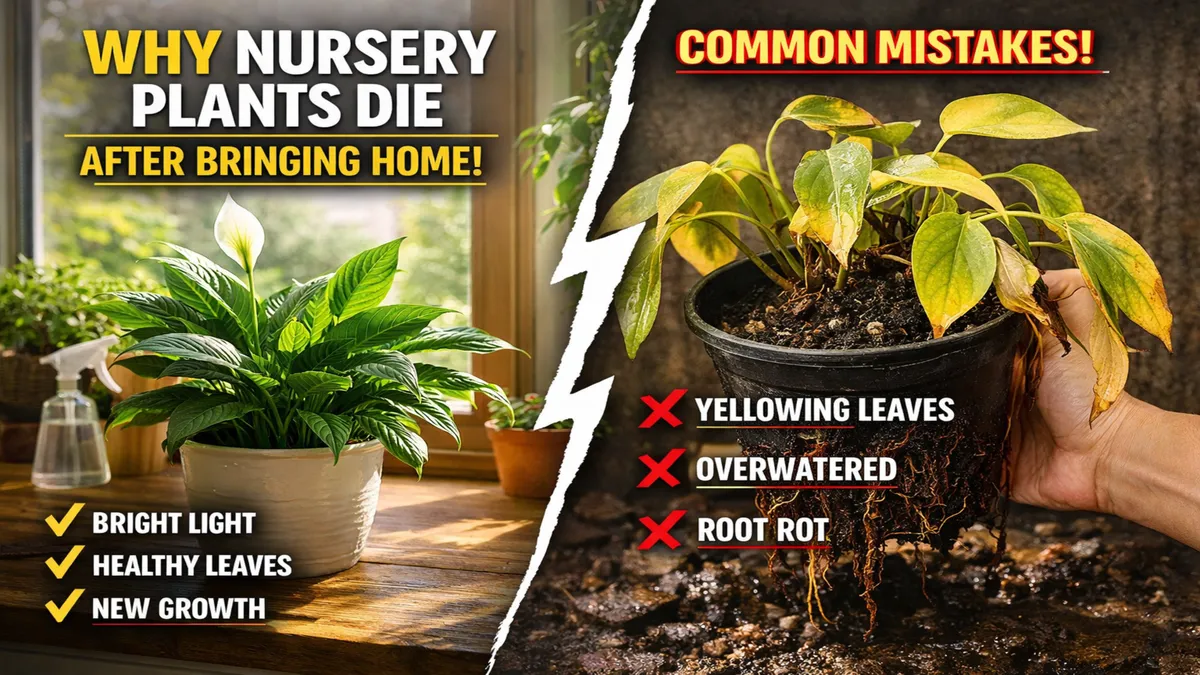
Plants often look great at the nursery, but within days of bringing them home, they begin to deteriorate. Leaves turn yellow, bend, or suddenly fall off. This can be confusing and frustrating. I experienced this myself when my first nursery peace lily died in just two weeks. The truth is, nursery plants don't die suddenly—they struggle with a sudden change in environment and care. Understanding these mistakes will help you prevent plant damage and grow healthy indoor plants.
Quick Answer:
Related News

Why Nursery Plants Die After Bringing Home
Nursery plants typically die due to transplant shock, changes in lighting, overwatering, low humidity, and sudden changes in environment. Conditions in the nursery are ideal, while those at home are different. Gradual adjustment and proper care help plants survive.
1. Shock from a Sudden Change in Environment
This is the most common reason why plants die after being brought home from the nursery. Humidity, temperature, and light are perfect in the nursery. Your home environment is very different.
Suddenly moving plants to another location can cause stress. This is called transplant or relocation shock.
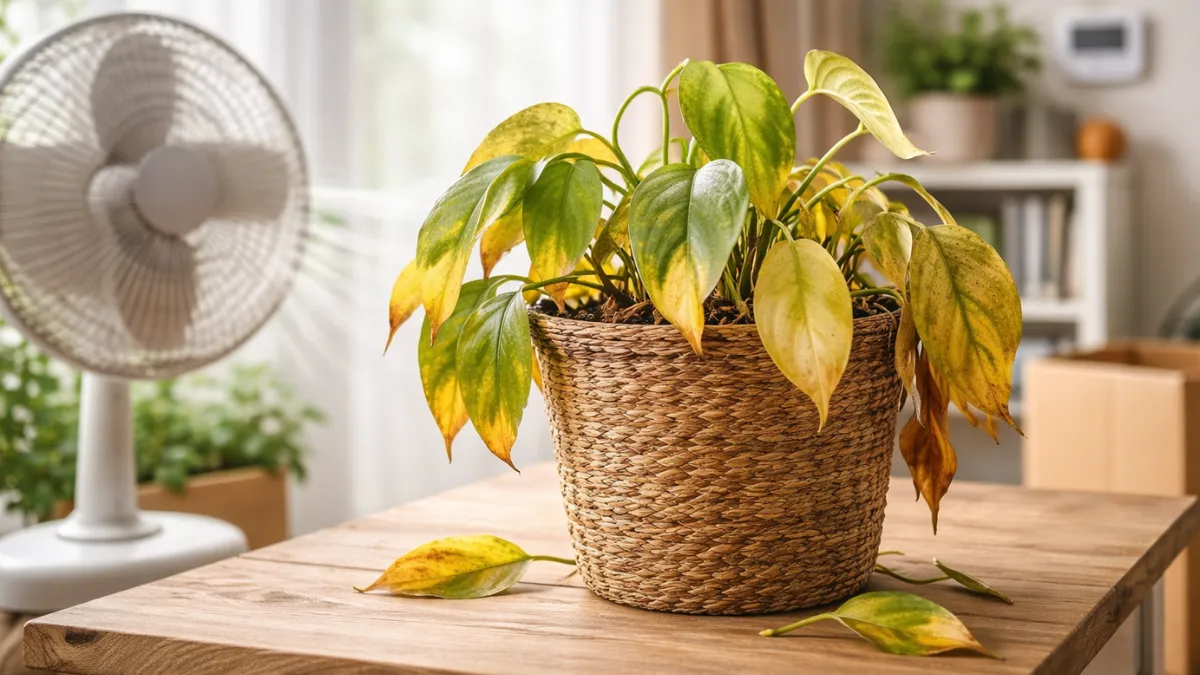
Common symptoms:
• Leaves curling
• Yellowing
• Leaves falling
• Slow growth
I noticed that two leaves on my snake plant fell off within the first week after moving them from a humid nursery to a dry room.
2. Lighting conditions are completely different
Many people immediately place plants in low light, but do nursery plants need time to adjust to indoor light is an important factor.
Nurseries often use the following:
• Bright indirect sunlight
• Shade cloth
• Artificial grow lights
Your home may have low light, which can cause stress.
| Nursery Light | Home Light | Plant Reaction |
|---|---|---|
| Bright filtered | Low light | Leaf drop |
| High humidity | Dry air | Brown tips |
| Stable light | Changing light | Stress |
3. Overwatering Is the Most Common Killer
New plant growers think watering helps recovery, but whether you should water plants immediately after bringing them home is often misunderstood.
Nursery soil retains moisture for a long time. Watering again too soon can cause root rot.
Signs of Overwatering:
• Yellowing Leaves
• Softening Stems
• Fungal Smell
One mistake that didn't work for me was watering every two days. This caused my pothos' roots to rot.
4. Relocating Too Early Causes Stress
Many people believe that relocating too quickly helps, but the answer to whether nursery plants should be relocated immediately after purchase is usually no.
Relocating a plant while it's still adjusting can cause more stress.
Wait at least:
• 2–4 weeks before repotting
Until the plant shows steady growth
5. Temperature Changes Cause Stress
Plants are sensitive to sudden temperature changes. Why indoor plants suddenly die after a relocation is often linked to temperature shock.
Examples:
• Nursery temperature: 20–25°C
House temperature: 10–35°C fluctuations
Avoid placing plants near:
• AC vents
• Heaters
• Windows with bright sunlight
6. Low humidity weakens plants
Nurseries tend to be humid, but homes tend to be dry. How humidity affects newly purchased indoor plants is often overlooked.
Causes of low humidity:
• Brown tips
• Curling of leaves
• Slow growth
Solutions:
• Use humidity trays
• Plant plants closer together
• Avoid exposure to dry air
7. Root Disturbance During Transport
Transport movement damages roots. Can moving plants kill them by damaging their roots is a real problem.
Roots are delicate and take time to recover.
Avoid:
• Frequently repositioning the plant
• Moving the plant
• Immediately repotting
8. Fertilizing too quickly burns the roots
Many owners fertilize immediately, but Should you fertilize newly purchased indoor plants this is generally not recommended.
Nursery soil already contains fertilizer.
Overfertilizing can lead to:
• Root burn
• Yellowing of leaves
• Plant stress
• Wait at least 4–6 weeks.
9. Plants Need Acclimatization Time
Acclimatization is critical. How long do plants take to adjust to new environment depends on plant type.
Most plants need:
• 2–6 weeks adjustment
• Stable care routine
• No sudden changes
This is the most important survival period.
Signs Your Nursery Plant Is Adjusting Successfully
Look for these positive signs:
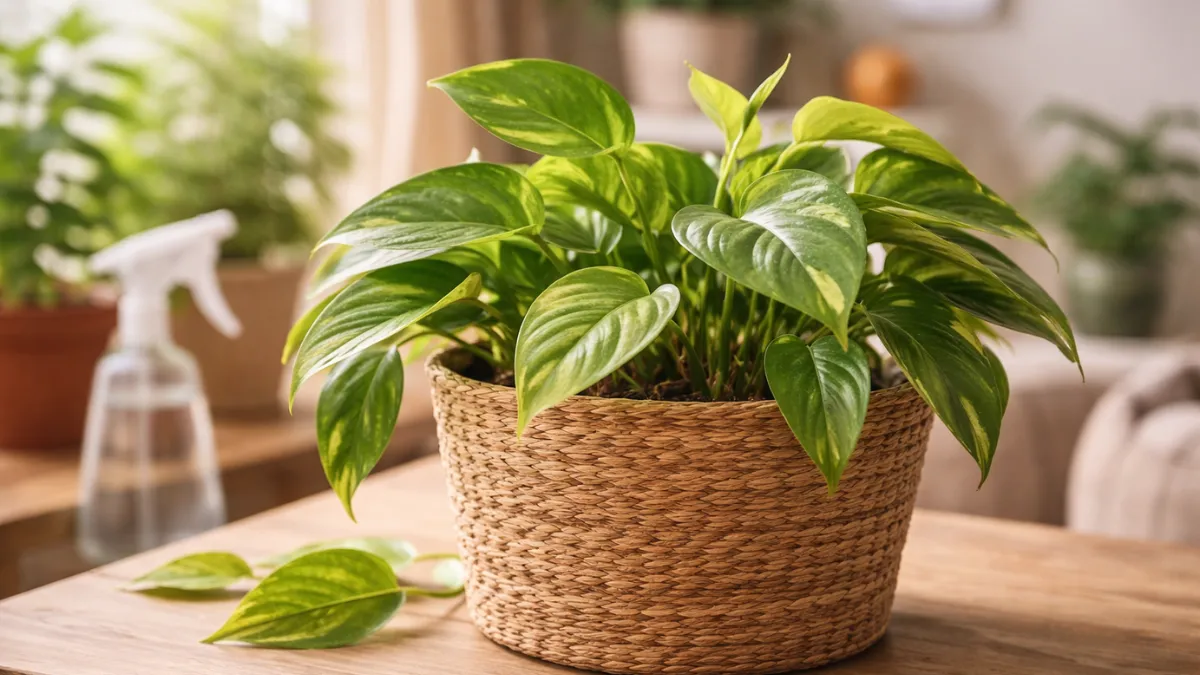
• New leaf growth
• Firm stems
• Stable leaf color
• Upright posture
Avoid panic if old leaves fall. This is normal adjustment.
Image Placeholder
Image 1: Newly bought indoor plant adjusting near window
ALT text: nursery plant adjusting to indoor home environment near bright window
Image 2: Overwatered plant showing yellow leaves
ALT text: overwatered nursery plant with yellow leaves and stressed roots
Best Care Routine for New Nursery Plants
| Care Factor | Recommended Action |
|---|---|
| Water | Wait until top soil dries |
| Light | Bright indirect light |
| Repotting | Wait 2–4 weeks |
| Fertilizer | Wait 4–6 weeks |
| Movement | Keep plant stable |
| Humidity | Moderate humidity |
Real Experience Insight
From my personal experience, plants placed in stable locations recover much faster than plants frequently moved around. My ZZ plant stopped declining once I left it untouched for three weeks.
However, one limitation is that some weak nursery plants already have hidden root damage, and recovery may not always be possible.
The purpose of this guide is to help plant owners understand adjustment stress and prevent avoidable plant death.
Final Prevention Checklist
Avoid these mistakes:
• Do not overwater
• Do not repot immediately
• Do not fertilize early
• Provide stable light
• Avoid sudden temperature change
• Allow acclimation time
Following these steps dramatically improves survival rates.
Related Helpful Articles:
Why Your Indoor Plants Are Dying Even With Watering Correctly – Experts Explain
Overwatering Is not the Problem : The Real Reason Your Plants Are Dying
Indoor Plant Watering Schedule Chart (Weekly & Seasonal Guide 2026)
Written from real indoor plant care experience for IndoorPlantify.