


Many people eagerly await the blooming of their winter flowers, but often they bloom only once and then wither. It can be frustrating when you care for your plant, water it properly, and still don't see new blooms. If you're experiencing a similar problem, this article will explain how to address it.
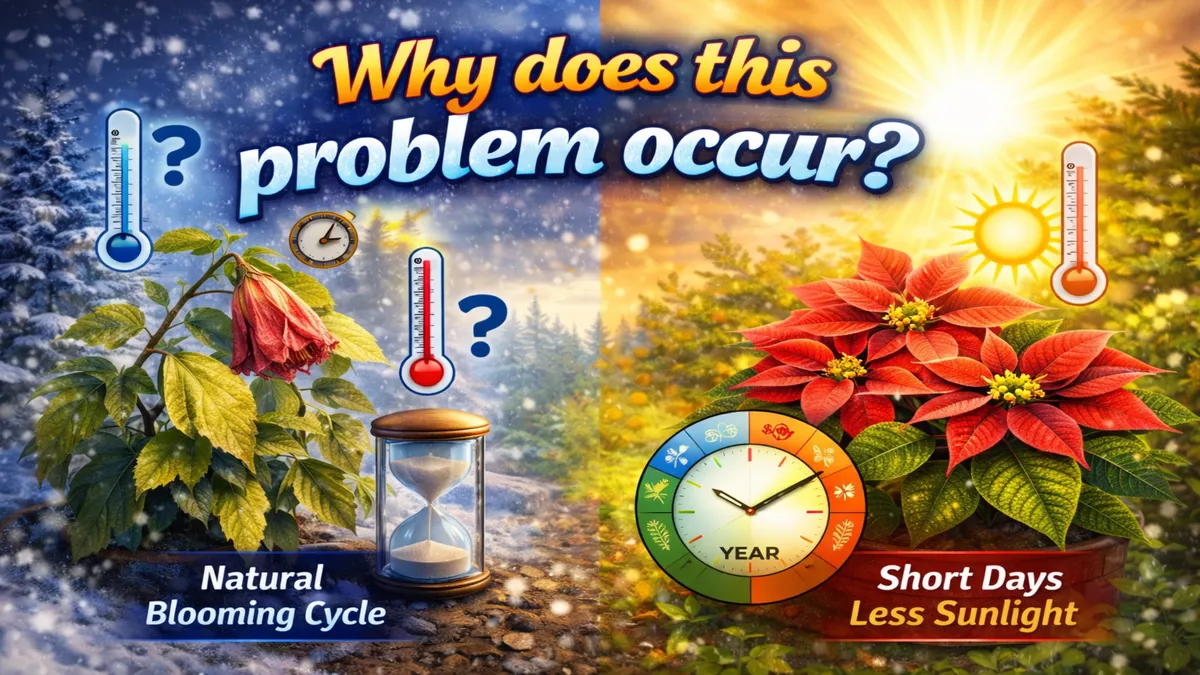
Why does this problem occur?
Winter flowers have a natural cycle. They accumulate energy throughout the year and bloom only during their specific season. This cycle is normal, but it doesn't mean you're doing anything wrong. The plants are simply following their natural rhythm.
Related News



Another contributing factor is light. The shorter days and reduced sunlight in winter limit the plant's energy. Even healthy soil and proper watering can't force the plant to bloom again. Plants need a combination of sunlight, temperature, and care to bloom fully.
Signs that your plant is struggling
Sometimes, after blooming, your plant may look tired. Its leaves might turn yellow, or the stems might droop. The flowers often drop quickly, leaving the branches bare, which might make you think your plant is sick.
Examples
A hibiscus plant on your balcony might bloom beautifully once and then stop. Similarly, a poinsettia in your living room might display vibrant colors initially, then gradually fade. These are normal patterns, and it doesn't necessarily indicate any deficiency in your care routine.
What Actually Works in Real Homes
To help your plant bloom again, focus on consistent care. Water regularly but avoid overwatering. Deadhead faded flowers and prune away dry branches so the plant can focus its energy on new growth rather than maintaining old blooms.
Small Changes That Make a Big Difference
Make sure your plant gets a few hours of sunlight every day. Even winter sunlight helps a lot. Occasionally adding a little organic fertilizer provides a gentle energy boost. These small changes will help your plant stay healthy for the next season.
Another helpful tip is patience. Some winter-blooming plants take months to gather the energy for their next bloom. Avoid moving them around too much or disturbing their roots. Stable conditions allow the plant to recover naturally and produce beautiful flowers the following year.
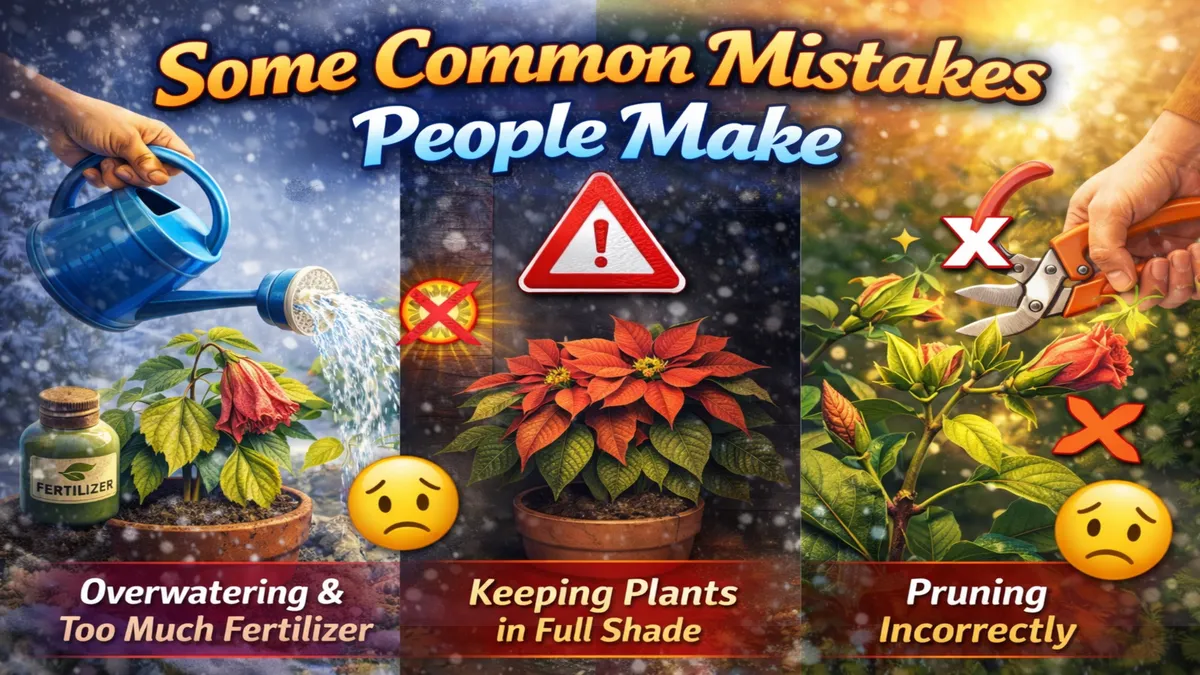
Some Common Mistakes People Make
Many of us try to force blooms with excessive watering or chemical fertilizers. Some people keep the plant in complete shade, hoping it will bloom better indoors. Others prune too much or too soon, cutting off new buds before they even have a chance to develop.
Another mistake is worrying about dropped flowers. Plants shed old flowers to conserve energy. This is perfectly normal. Instead of panicking, focus on consistent care, light, and proper nutrition. In time, the plant will reward you with blooms in its season.
You can encourage gradual blooming by maintaining a calm environment for your plants. Avoid sudden temperature changes. Don't overwater or over-fertilize. Sometimes, simply providing your plant with a peaceful environment, adequate light, and minimal disturbance is all it needs to prepare for the next blooming season.
A simple habit that makes a big difference
Check your plants carefully at least once a week. Wipe the dust off the leaves and make sure the soil drains well. This habit helps keep the leaves healthy and improves the plant's ability to store energy. Healthy leaves support new buds and future blooms without any stress.
conclusion
Remember, winter-blooming plants only bloom once because that's their natural cycle. It's not a failure or a sign of neglect. Regular watering, sunlight, light pruning, and patience are key. Enjoy the blooms when they appear and quietly prepare for the next season.