Indoor plants developing yellow leaf edges in 2025 has become a major Google trend. This guide explains real causes water quality, nutrients, light, humidity and offers simple fixes to restore healthy green leaves.
✨
AI summarized this news · Reviewed by Indoor Plantify
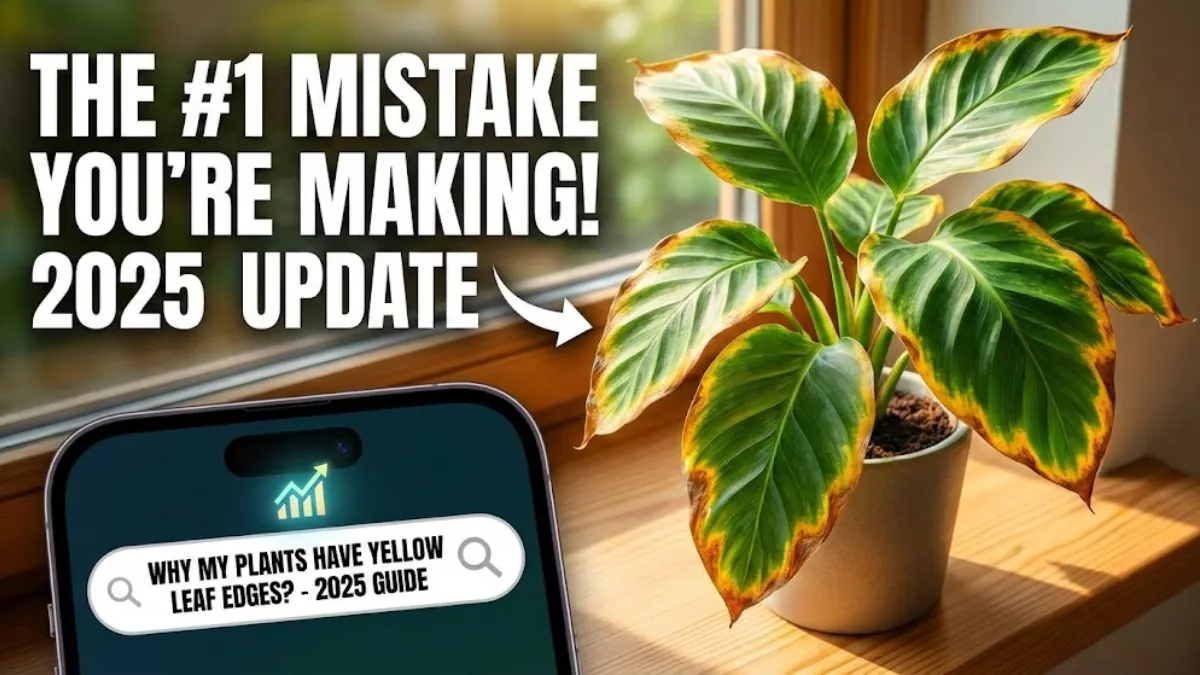
Currently, in the late 2020s, the issue of yellow leaf edges in indoor plants is rapidly increasing among people. This problem occurs most often as the weather changes and plants begin to lack moisture. The leaves of many indoor plants begin to yellow, especially yellow outlines on the leaves. New plant parents are seeing this initial yellowing, which does not spread evenly throughout the plants; it appears only on the edges of the leaves, causing significant problems for new plant parents. Meanwhile, modern apartments with AC, heaters, poor ventilation, and treated tap water make plants more sensitive to nutritional and moisture imbalances. Yellow edges often appear before major damage to the plants. Therefore, do not take this problem lightly.
There can be many reasons for this. Now we will tell you all the reasons due to which this problem is occurring in your plants.
Cause 1 : Water quality issues (fluoride, chlorine, and hard water)
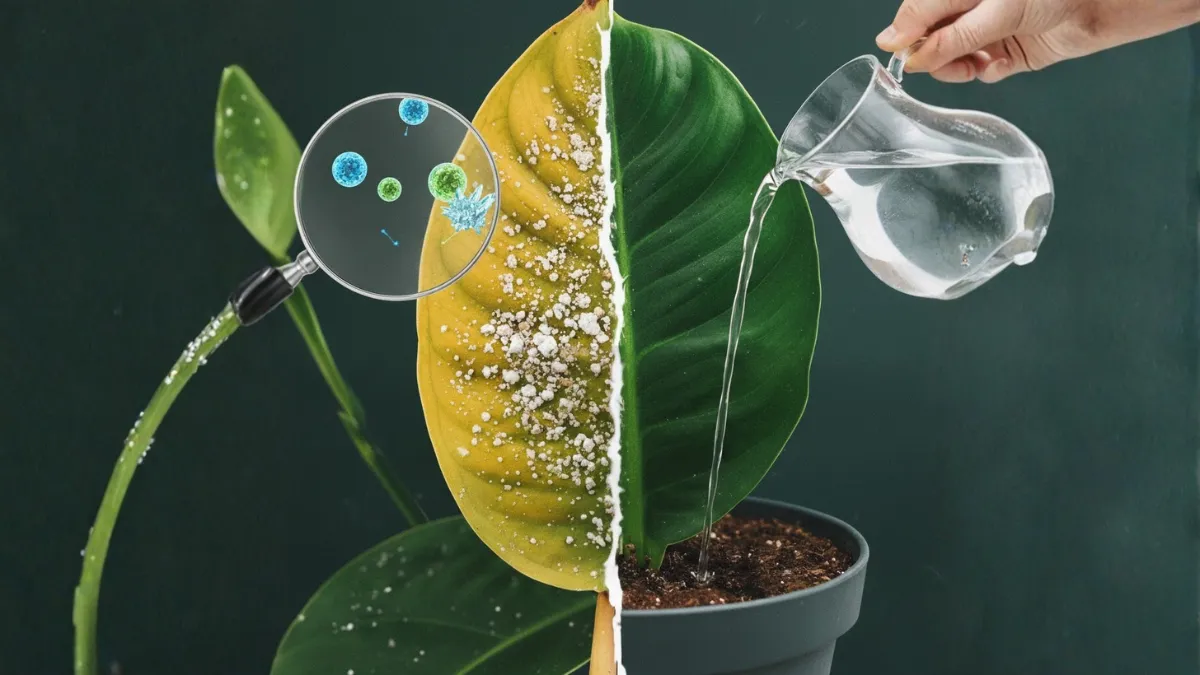
If you're a seasoned plant parent, you've likely noticed that whenever you use tap water directly on your plants, the edges of your plants' leaves turn yellow. This is because indoor plants often have chemicals buildup in the soil. Regular tap water contains high levels of fluoride, chlorine, and mineral salts, which significantly impact sensitive plants like spider plants, peace lilies, pothos, aglaonema, and catholia. The edges of these plants turn yellow due to mineral stress. These chemicals often interfere with nutrient uptake and burn the leaves.
File Photo : Toxic tap water containing fluoride, chlorine, and hard minerals causing severe leaf damage in indoor plants — one of the biggest hidden problems highlighted in 2025 plant care guides.
How to Fix It
• Always use filtered aro water or water that has been left overnight.
• Properly clean the soil every month to remove mineral salts from the plants.
• Reduce the use of chemical fertilizers for 2-3 weeks. If you take these precautions, your plants' leaves will start growing cleaner and greener in a few days.
Cause 2 : Nutrient deficiencies (especially iron and potassium) in the early stages
Due to lack of nutrients, the edges of the leaves of your plants start turning yellow. This problem occurs when your soil becomes old or the nutrients in it get reduced, due to which the nutrients like iron and potassium get reduced in the soil of your plants. Due to lack of potassium, the edges of the leaves of the plants turn yellow, whereas due to lack of iron, the new leaves turn yellow and their edges turn yellow. This problem especially occurs in old potting soil or if the plants are not given regular fertilizer, then this problem usually occurs.
Remedies for this
• Feed your plants with a balanced fertilizer every 20 to 25 days.
• Add an iron-rich supplement to young plants.
• Plant a new plant in a pot every 12 to 18 months, which will ensure the leaves grow deeper and stronger after receiving the nutrients.
Does under-watering actually cause your plants to dry out or cause their leaf edges to turn yellow? The simple answer is yes. When the soil dries out too quickly or watering is inconsistent, the leaf edges lose moisture first and then gradually turn yellow. This is common in pots with already compacted soil or excessive amounts of perlite, which causes water to drain quickly.
Solutions
• Water your plants until the excess water drains out of the pot.
• Add cocopeat or compost to maintain moisture.
• You need to maintain a watering schedule and water the plants at the same time, as hydrated leaf tissue prevents discoloration at the edges.
Reason 4 : Overwatering quickly stresses the roots
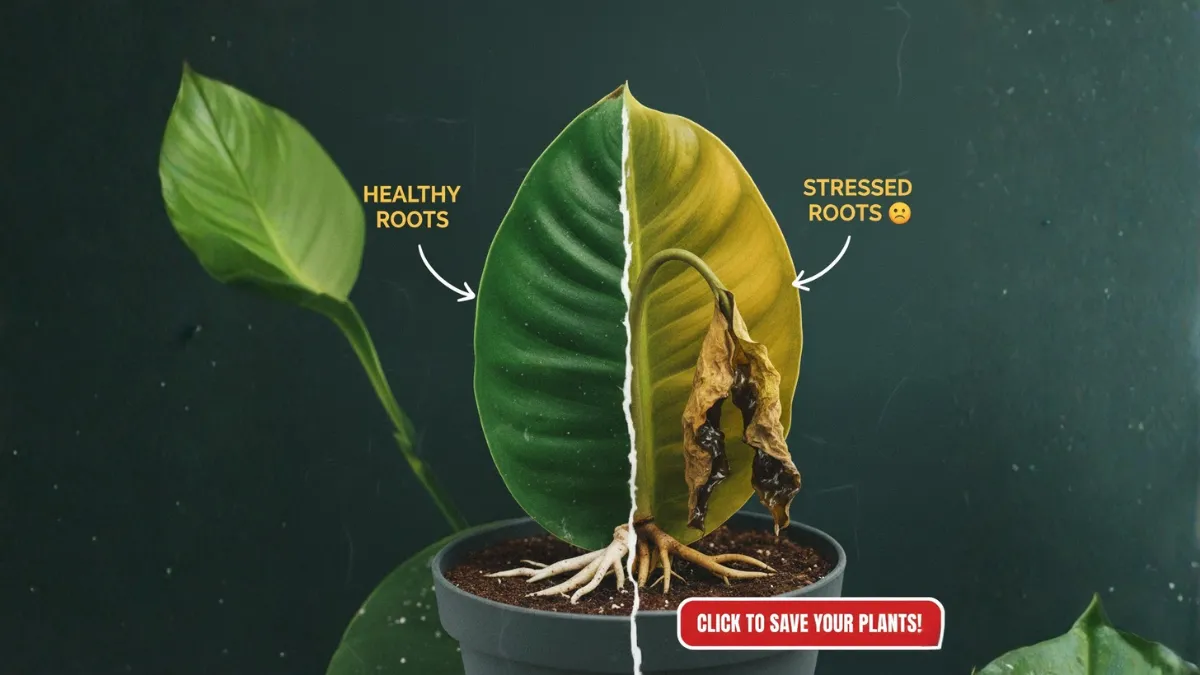
If you overwater your plants, their roots suffocate, reducing oxygen flow and making it difficult for them to absorb nutrients. The initial symptoms are yellowing of the leaf margins, then gradually all the leaves on your plants turn yellow.
File Photo : Overwatering is a leading cause of root rot in indoor plants, shown through a clear comparison of healthy roots versus stressed, dying roots in this 2025 plant-care guide.
How to Fix It
• Whenever you water your plants, make sure the soil in your plant pot is about 60 to 70% dry.
• And of course, use a pot with a drainage hole for water drainage.
Drain the water from saucers.
Healthy roots = healthy leaf margins.
Reason 5 : Too much sunlight or direct sunlight from the window
New plant parents often think that sunlight can never harm plants, but they're often wrong. Direct sunlight or heated window panes often burn the edges of leaves. This problem is common in plants like pothos, philodendrons, calathea, and peace lilies.
How to Fix It
• Always keep plants in bright, indirect light.
• Use sheer curtains near your windows.
• Avoid placing plants in windows that face direct sunlight.
• This won't repair the burned edges, but it will help new shoots grow properly.
Reason 6 : Low humidity + temperature stress
In winter, indoor humidity in AC rooms often drops below 40%, causing the edges of plant leaves to dry out and develop a yellow outline. This clearly indicates that the yellowing of the edges is also caused by a drop in temperature.
Solution:
• Increase humidity to 45 to 60%.
• Keep plants away from cold air or AC vents.
• Place plants together for natural humidity, which allows the leaves to gradually regain their moisture and color.
Some important things that you should know.
The problem of yellowing of leaves of indoor plants is becoming very common these days and the good thing is that it is easy to detect it, whether the problem is due to poor water quality, imbalance of nutrients, irregular watering, sun stress or dry air, in these cases most of the plants recover. If you want your plants to last for a long time, then always keep an eye on the water and light conditions. If you follow all the points mentioned by me, then this problem will not arise in your plants at all.
Follow Us On Social Media
Join the Discussion
No discussions yet. Be the first to start one!
Expert FAQs
What is the primary issue discussed in the article regarding indoor plants?
The article highlights the rapidly increasing problem of yellow leaf edges in indoor plants, often appearing as yellow outlines that do not spread evenly throughout the plant.
What environmental factors in modern apartments contribute to indoor plants developing yellow leaf edges?
Modern apartments with AC, heaters, poor ventilation, and treated tap water make plants more sensitive to nutritional and moisture imbalances, contributing to yellow leaf edges.
How does tap water quality affect indoor plants and cause yellow leaf edges?
Regular tap water contains high levels of fluoride, chlorine, and mineral salts, which can lead to chemical buildup in the soil, interfere with nutrient uptake, and burn leaves, causing yellow edges.
Which specific indoor plants are particularly sensitive to poor water quality?
Sensitive plants like spider plants, peace lilies, pothos, aglaonema, and catholia are significantly impacted by chemicals in tap water, often developing yellow leaf edges due to mineral stress.
What are the recommended solutions for addressing yellow leaf edges caused by poor water quality?
To fix this, use filtered RO water or water left overnight, clean the soil monthly to remove mineral salts, and reduce chemical fertilizers for 2-3 weeks.
How do nutrient deficiencies contribute to yellow leaf edges in indoor plants?
Lack of essential nutrients like potassium causes yellow edges, while iron deficiency leads to new leaves and their edges turning yellow, especially in old potting soil or with irregular fertilizing.
What are the suggested remedies for nutrient-deficient plants showing yellow leaf edges?
Remedies include feeding plants with a balanced fertilizer every 20-25 days, adding an iron-rich supplement to young plants, and repotting plants every 12-18 months.