WA FB

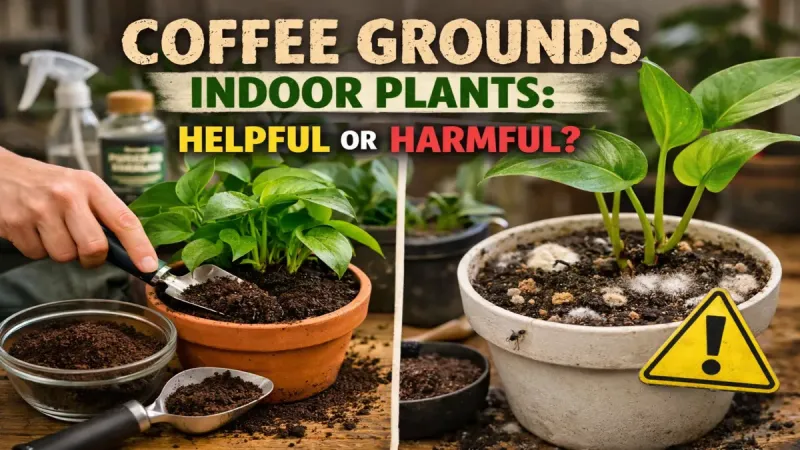
Coffee Grounds for Indoor Plants: Use Them Right

Coffee grounds can benefit indoor plants, but only when used correctly and sparingly. · Improper use, such as fresh or excessive grounds, can cause mold, harden soil, and harm roots. · When applied properly, they improve soil texture, provide nutrients, and support beneficial microbes.
Read Full Article
✨ Coffee grounds can benefit indoor plants, but only when used correctly and sparingly.
    👉 Read Next Quick Brief

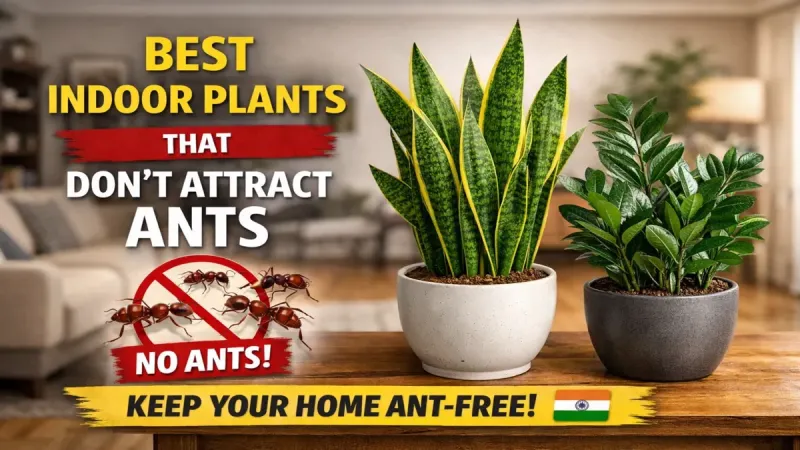
    Indoor Plants That Don't Attract Ants

    Ants are a common problem for indoor plants in Indian homes, especially during hot weather. · Sweet sap from some plants attracts ants, making plant care stressful for owners. · Plants like Snake Plant, ZZ Plant, and Aloe Vera naturally repel ants, keeping your home clean.

    Read Full Article
    ✨ Ants are a common problem for indoor plants in Indian homes, especially during hot weather.
      👉 Read Next Quick Brief

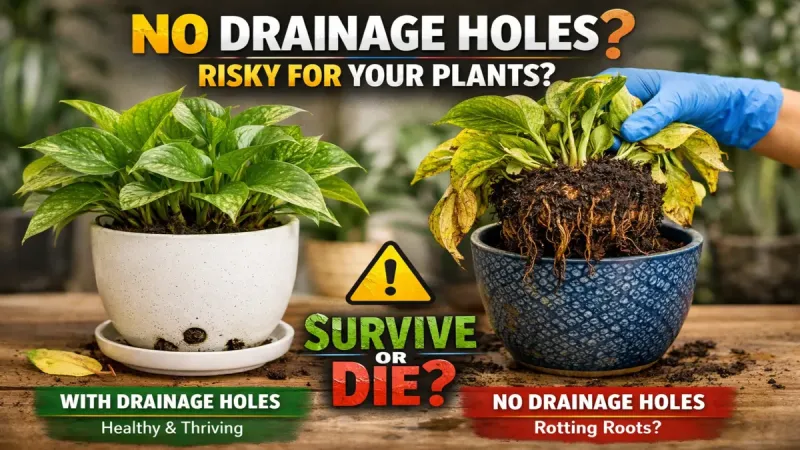
      Drainage Holes: Essential for Plant Survival

      Decorative pots often lack drainage holes, posing a significant risk to indoor plants. · Without proper drainage, excess water leads to root rot, fungus growth, and plant death. · Careful watering, specific soil, or double potting can help plants survive in pots without drainage.

      Read Full Article
      ✨ Decorative pots often lack drainage holes, posing a significant risk to indoor plants.
        👉 Read Next Quick Brief

        Bedroom Plants & Oxygen: Myth Debunked

        The common fear that indoor plants steal oxygen at night, especially in bedrooms, is a misconception. · While plants do respire and use oxygen at night, the amount is extremely small and harmless to humans. · Humans consume significantly more oxygen than even multiple indoor plants, making competition for oxygen negligible.

        Read Full Article
        ✨ The common fear that indoor plants steal oxygen at night, especially in bedrooms, is a misconception.
          👉 Read Next Quick Brief

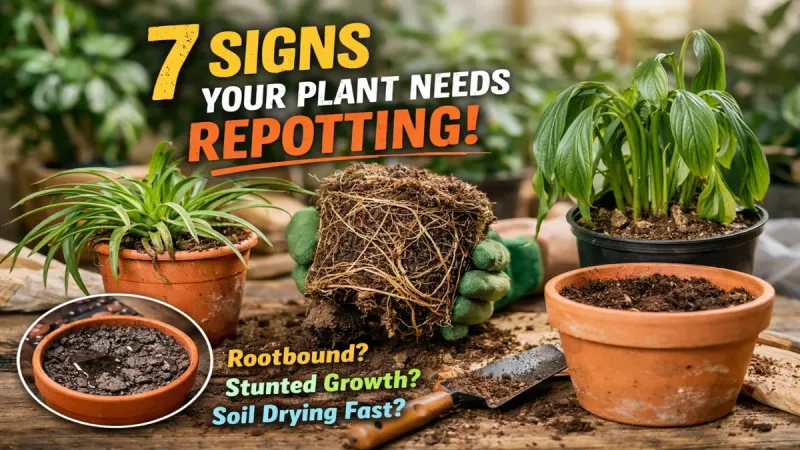
          Master Indoor Plant Repotting for Healthy Growth

          Repotting provides essential space, fresh nutrients, and improved airflow for indoor plant health. · Most indoor plants require repotting every 12 to 24 months, depending on their growth rate and root size. · Understanding the correct timing and warning signs is crucial to avoid stressing plants and ensure long-term vitality.

          Read Full Article
          ✨ Repotting provides essential space, fresh nutrients, and improved airflow for indoor plant health.
            👉 Read Next Quick Brief

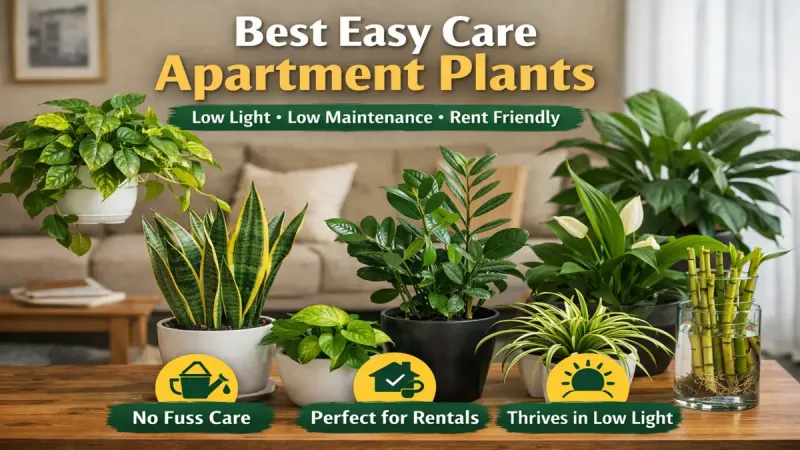
            Easy Indoor Plants for Renters

            Rented apartments often present challenges like limited sunlight and space for plants. · Choosing the right plants can make indoor gardening stress-free and suitable for rental living. · Low-maintenance options like Snake, ZZ, Pothos, and Spider plants are ideal for renters.

            Read Full Article
            ✨ Rented apartments often present challenges like limited sunlight and space for plants.
              👉 Read Next Quick Brief

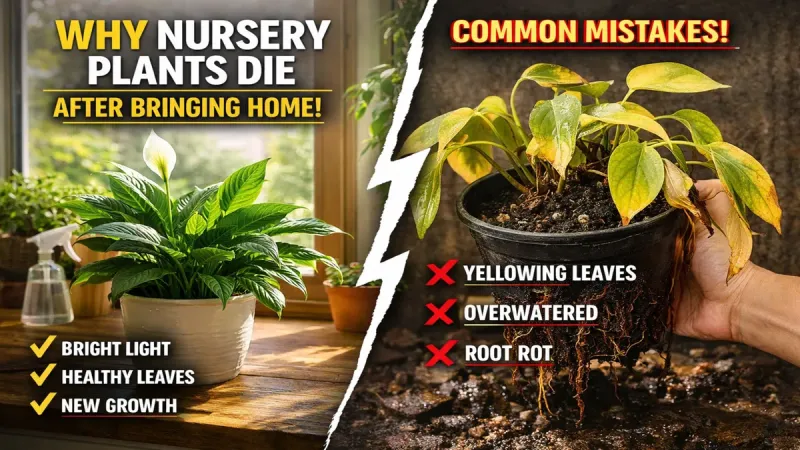
              Nursery Plants: Surviving Home Shock

              Plants often deteriorate quickly after leaving the nursery due to sudden environmental changes. · Ideal nursery conditions (humidity, temperature, light) differ significantly from typical home environments. · Gradual adjustment and proper care are crucial to prevent transplant shock and ensure plant survival.

              Read Full Article
              ✨ Plants often deteriorate quickly after leaving the nursery due to sudden environmental changes.
                👉 Read Next Quick Brief