WA FB

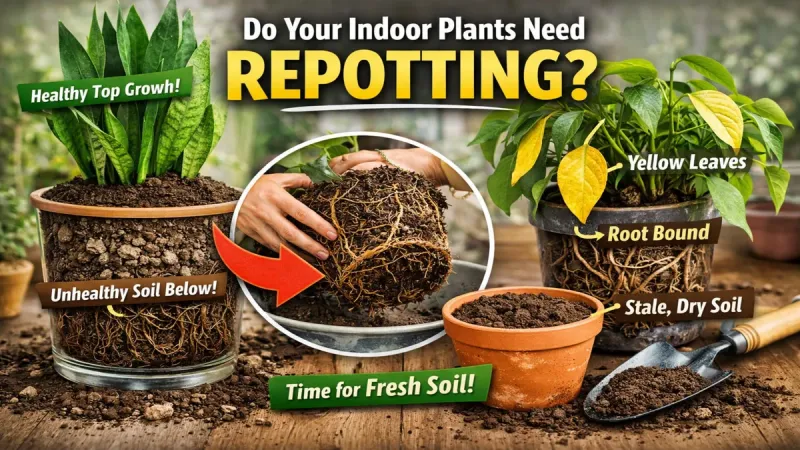
Repotting Secrets for Thriving Indoor Plants

Many indoor plant problems originate in the pot due to depleted, compacted soil. · Most indoor plants require repotting every 12 to 18 months to replenish nutrients and support root growth. · Knowing when and how to repot ensures consistent, stress-free health for your plants.
Read Full Article
✨ Many indoor plant problems originate in the pot due to depleted, compacted soil.
    👉 Read Next Quick Brief

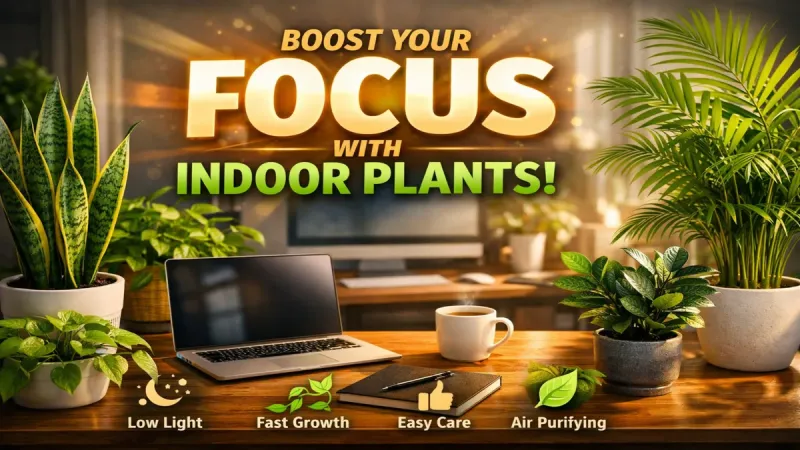
    Green Your Workspace, Sharpen Your Focus

    Cluttered or uninspiring workspaces silently diminish focus and productivity. · Indoor plants subtly improve concentration, calm the mind, and make work feel less burdensome. · Strategic plant placement and choosing specific types are key to enhancing your work environment.

    Read Full Article
    ✨ Cluttered or uninspiring workspaces silently diminish focus and productivity.
      👉 Read Next Quick Brief

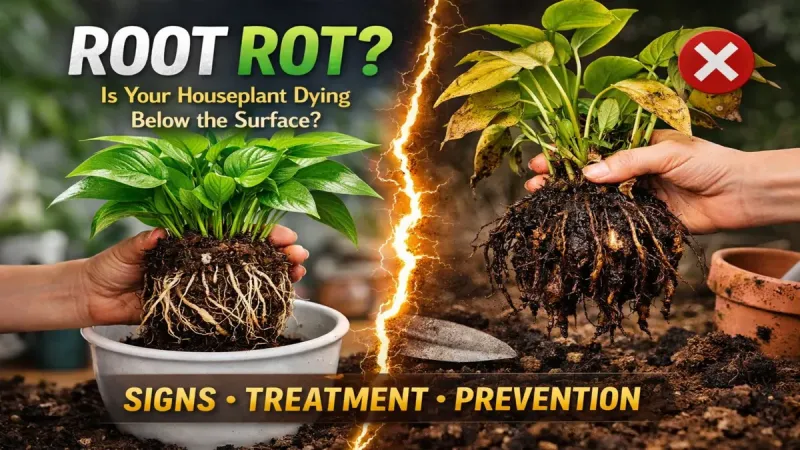
      Houseplant Root Rot: Identify, Treat, Prevent

      Root rot is a common, often unseen killer of houseplants, starting with excess moisture below soil. · It's primarily caused by overwatering, poor drainage, or compacted soil, leading to mushy, brown roots. · Learn to identify early signs, safely treat affected plants, and prevent its return with proper care.

      Read Full Article
      ✨ Root rot is a common, often unseen killer of houseplants, starting with excess moisture below soil.
        👉 Read Next Quick Brief

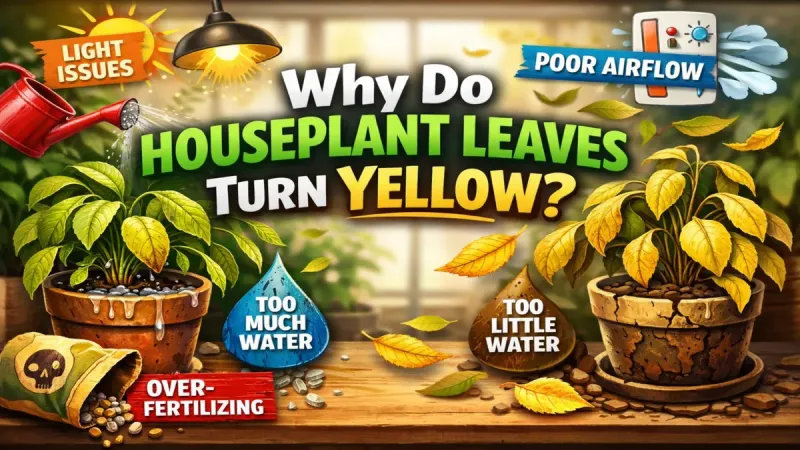
        Why Houseplant Leaves Turn Yellow

        Yellowing leaves are a common houseplant problem, often mistaken for disease. · Usually caused by minor care mistakes related to watering, light, or air circulation. · It's a sign of plant stress, not sickness, as the plant tries to conserve energy.

        Read Full Article
        ✨ Yellowing leaves are a common houseplant problem, often mistaken for disease.
          👉 Read Next Quick Brief

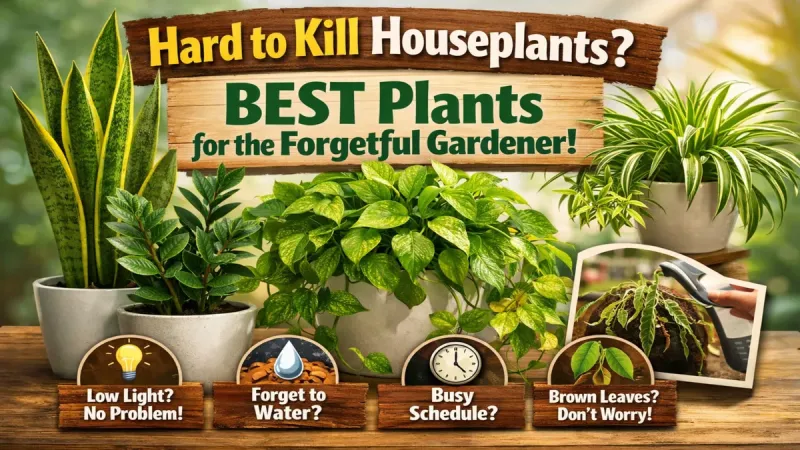
          Easy Indoor Plants for Busy People

          Many people struggle to keep indoor plants alive due to neglect or busy schedules. · Some resilient indoor plants are naturally designed to thrive even with minimal care. · These beginner-friendly options adapt to less-than-ideal conditions, requiring less frequent watering or constant sunlight.

          Read Full Article
          ✨ Many people struggle to keep indoor plants alive due to neglect or busy schedules.
            👉 Read Next Quick Brief

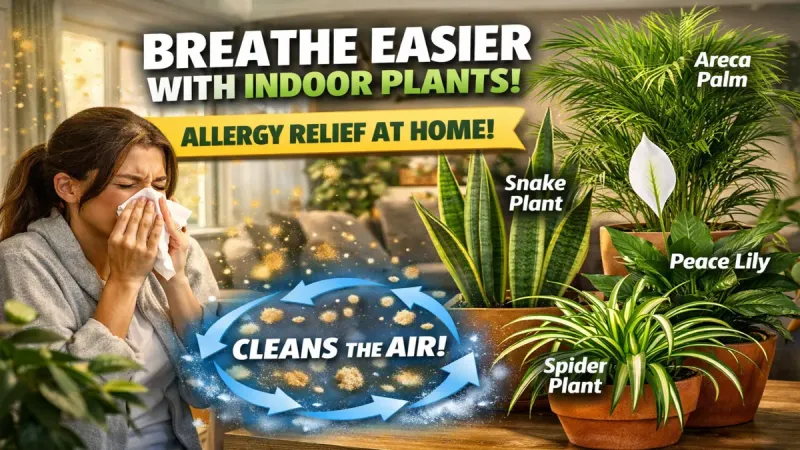
            Indoor Plants: Natural Allergy Relief

            Indoor plants can make your home feel fresher and easier to breathe in. · They improve air circulation, balance humidity, and trap airborne particles on their leaves. · While not a cure, plants help create a cleaner indoor environment, reducing allergy symptoms.

            Read Full Article
            ✨ Indoor plants can make your home feel fresher and easier to breathe in.
              👉 Read Next Quick Brief

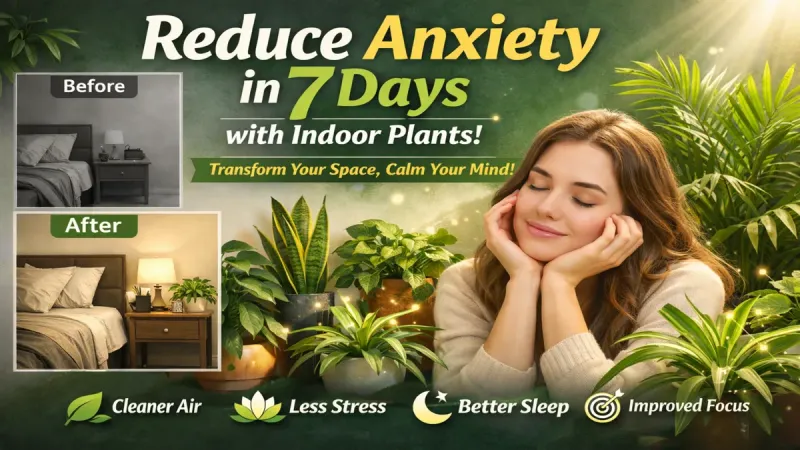
              Indoor Plants: A Natural Way to Reduce Anxiety

              Anxiety often builds quietly at home, causing symptoms like racing thoughts and poor sleep. · Indoor plants help create a calmer environment, reducing mental fatigue and slowing racing thoughts. · Caring for plants offers a gentle, predictable focus, naturally supporting your mind during stressful moments.

              Read Full Article
              ✨ Anxiety often builds quietly at home, causing symptoms like racing thoughts and poor sleep.
                👉 Read Next Quick Brief