WA FB

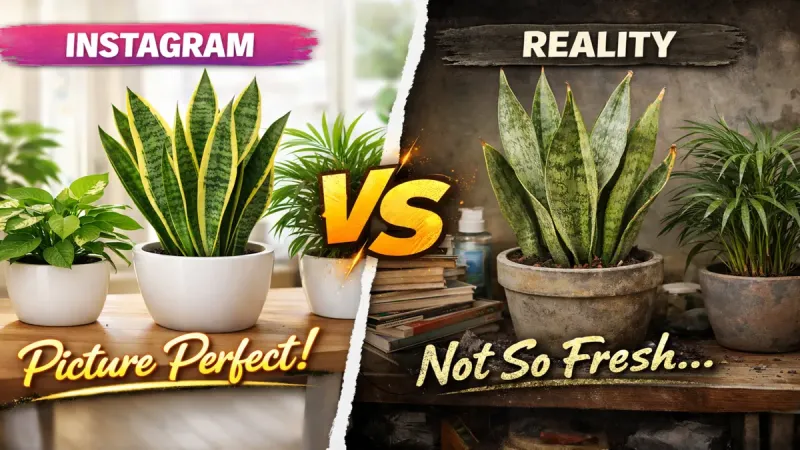
Why Your Indoor Plants Look Better Online

Indoor plants often appear shinier, deeper in color, and fuller in photos than in real life. · This visual difference is due to how cameras capture light and details, not the plant's health. · Controlled lighting in photos eliminates shadows, making plants look more vibrant than in real room conditions.
Read Full Article
✨ Indoor plants often appear shinier, deeper in color, and fuller in photos than in real life.
    👉 Read Next Quick Brief

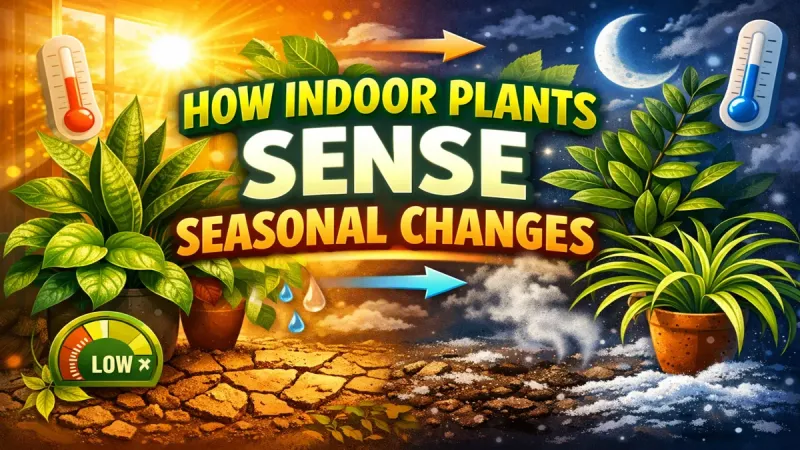
    Indoor Plants: Sensing Seasons Without Weather

    Indoor plants react to subtle environmental shifts despite being protected from outdoor weather. · Owners often observe slowed growth, smaller leaves, and changing watering needs, causing confusion. · Plants detect seasonal changes through indirect cues like light intensity, humidity, and temperature shifts.

    Read Full Article
    ✨ Indoor plants react to subtle environmental shifts despite being protected from outdoor weather.
      👉 Read Next Quick Brief

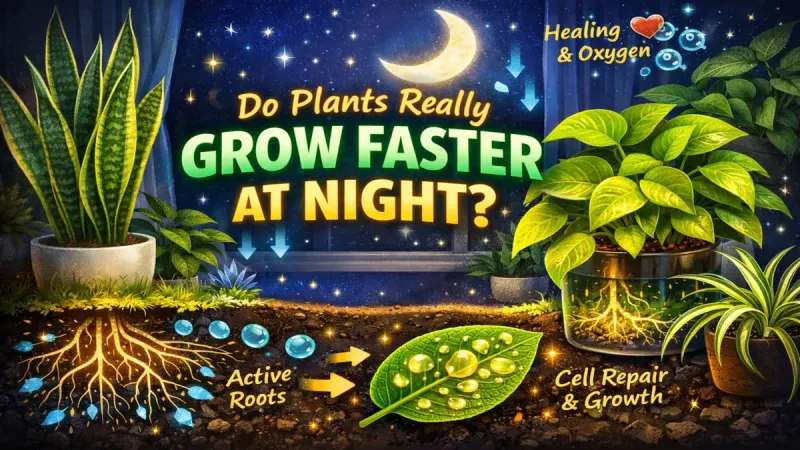
      Indoor Plants Grow Taller at Night

      Indoor plants recover and grow quietly during the night. · Absence of sunlight stress allows focus on cell repair and expansion. · Understanding nighttime growth aids in better plant care.

      Read Full Article
      ✨ Indoor plants recover and grow quietly during the night.
        👉 Read Next Quick Brief

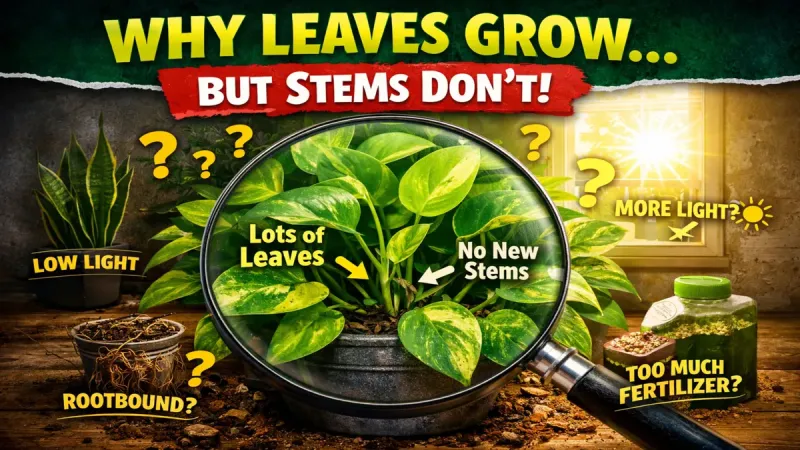
        Indoor Plants: Leaves But No Branches?

        Indoor plants often grow leaves without developing new branches, a common but confusing observation. · This occurs because plants prioritize survival, allocating energy to leaves for photosynthesis in limited indoor environments. · Avoid overwatering, over-fertilizing, or constant movement; understand this natural growth pattern and allow plants to thrive.

        Read Full Article
        ✨ Indoor plants often grow leaves without developing new branches, a common but confusing observation.
          👉 Read Next Quick Brief

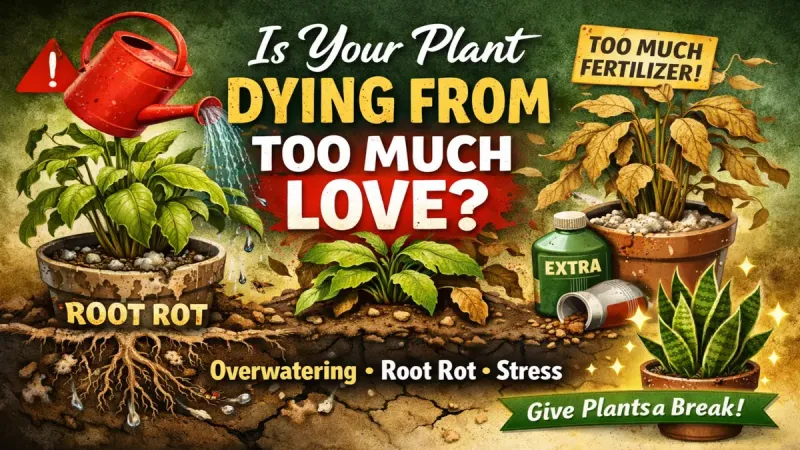
          Too Much Love Harms Your Indoor Plants

          Despite good intentions, over-caring, especially overwatering, often harms indoor plants. · Constant watering, fertilizing, and repotting disrupt plants' natural rhythm and essential root needs. · Understanding the balance plants require is crucial for their long-term health and to prevent accidental damage.

          Read Full Article
          ✨ Despite good intentions, over-caring, especially overwatering, often harms indoor plants.
            👉 Read Next Quick Brief

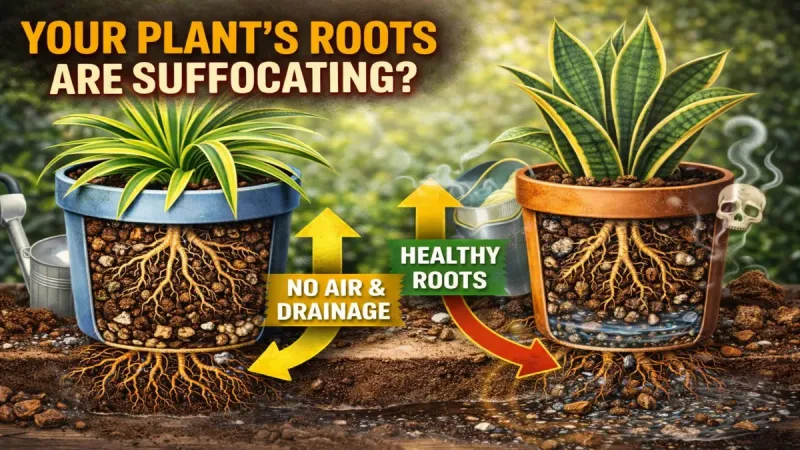
            Root Suffocation: A Hidden Threat to Indoor Plants

            Root suffocation occurs when indoor plant roots don't get enough air in the soil. · It's primarily caused by compacted soil, poor drainage, or consistent overwatering. · Early detection of this gradual weakening is crucial to save plants before visible damage.

            Read Full Article
            ✨ Root suffocation occurs when indoor plant roots don't get enough air in the soil.
              👉 Read Next Quick Brief

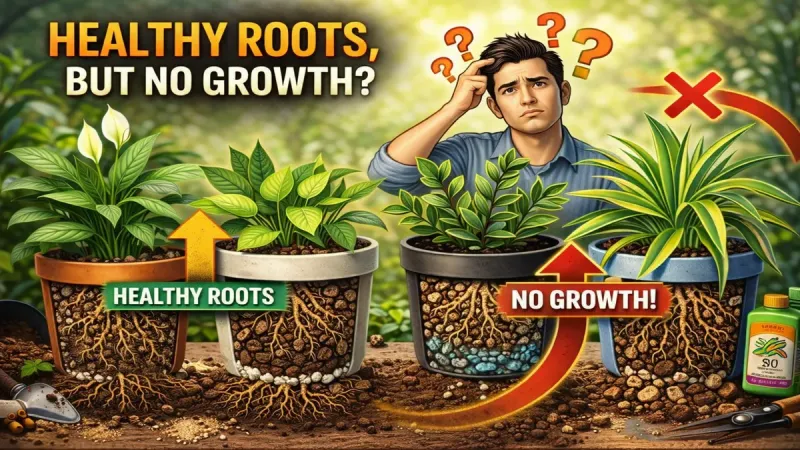
              Beyond Roots: Why Your Plant Isn't Growing

              Healthy-looking roots can be inactive, preventing plant growth despite appearing fine. · Plant growth depends on more than just roots, requiring specific environmental signals. · Key factors include light, space, nutrients, and the plant's internal balance.

              Read Full Article
              ✨ Healthy-looking roots can be inactive, preventing plant growth despite appearing fine.
                👉 Read Next Quick Brief