WA FB

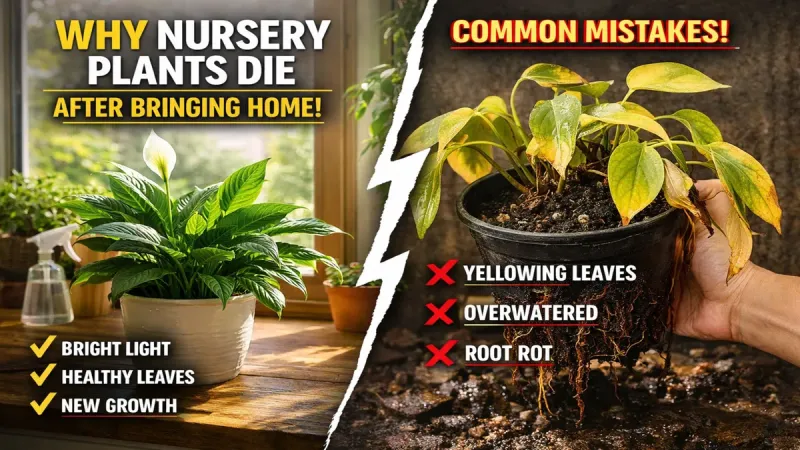
Nursery Plants: Surviving Home Shock

Plants often deteriorate quickly after leaving the nursery due to sudden environmental changes. · Ideal nursery conditions (humidity, temperature, light) differ significantly from typical home environments. · Gradual adjustment and proper care are crucial to prevent transplant shock and ensure plant survival.
Read Full Article
✨ Plants often deteriorate quickly after leaving the nursery due to sudden environmental changes.
    👉 Read Next Quick Brief

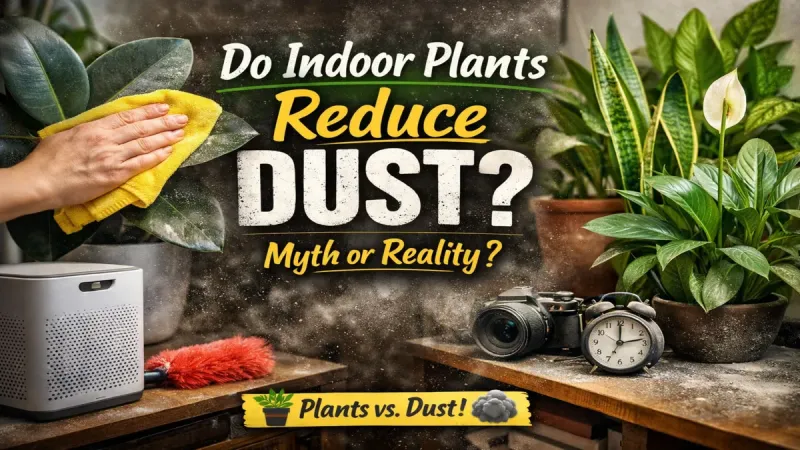
    Houseplants & Dust: A Nuanced Relationship

    Indoor dust accumulates quickly, often faster than expected. · Houseplants can slightly reduce dust by trapping particles and increasing humidity. · They are not a complete solution; regular cleaning remains essential.

    Read Full Article
    ✨ Indoor dust accumulates quickly, often faster than expected.
      👉 Read Next Quick Brief

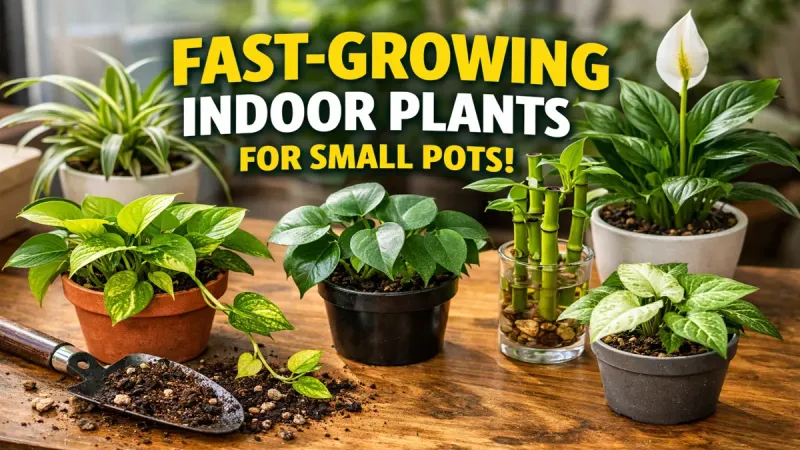
      Fast-Growing Indoor Plants Thrive in Small Pots

      Many indoor plants can grow surprisingly fast even in small containers. · These plants adapt to tight spaces by focusing energy on foliage growth rather than root spread. · Ideal for compact living, choose varieties like pothos or spider plants for rapid growth in small pots.

      Read Full Article
      ✨ Many indoor plants can grow surprisingly fast even in small containers.
        👉 Read Next Quick Brief

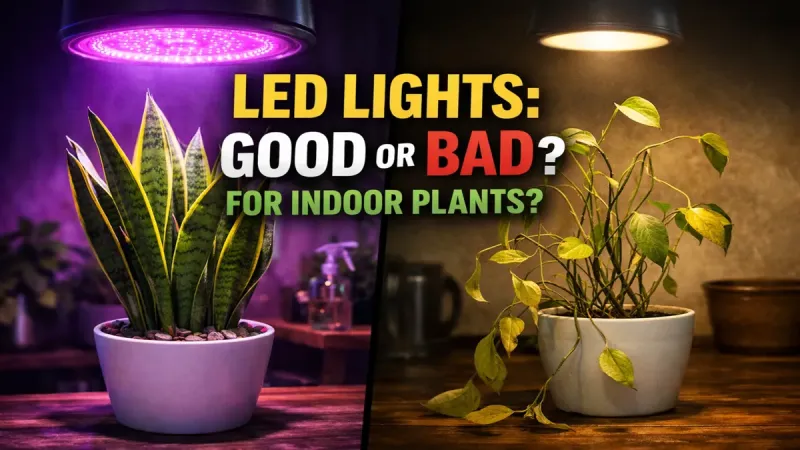
        Indoor Plants & LEDs: Survival Guide

        Indoor plants can survive with LED light if it's bright enough, used for sufficient duration, and appropriate for the plant's needs. · Regular household LEDs are often too weak to support healthy plant growth. · Specialized 'grow LEDs' designed for plants are significantly more effective than standard room lighting.

        Read Full Article
        ✨ Indoor plants can survive with LED light if it's bright enough, used for sufficient duration, and appropriate for the plant's needs.
          👉 Read Next Quick Brief

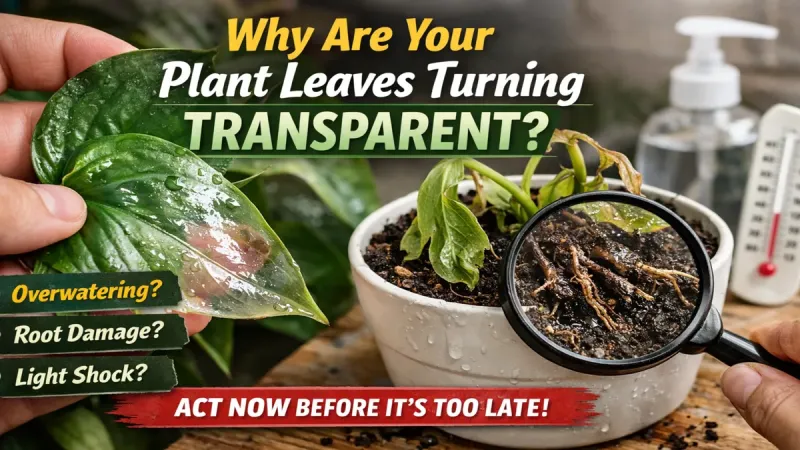
          Transparent Plant Leaves: An Early Warning Sign

          Transparent leaves on indoor plants often indicate internal cell damage, water imbalance, or environmental stress. · Common causes include overwatering, temperature shock, root damage, or excessive humidity. · This glassy appearance is an early warning sign, meaning recovery is usually possible with prompt action.

          Read Full Article
          ✨ Transparent leaves on indoor plants often indicate internal cell damage, water imbalance, or environmental stress.
            👉 Read Next Quick Brief

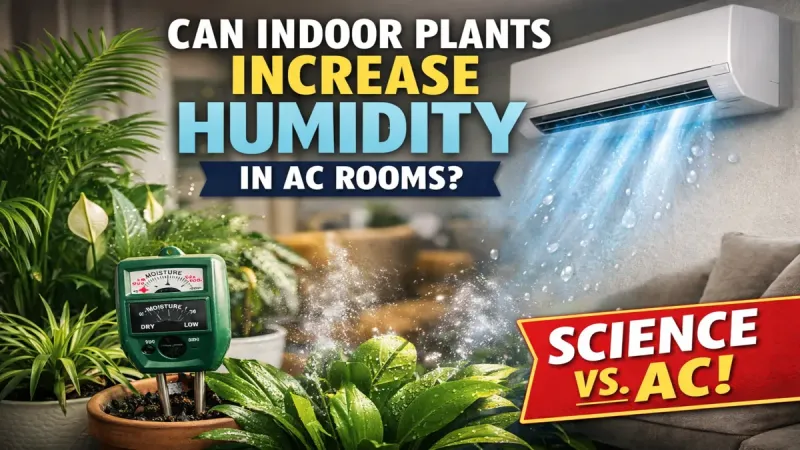
            Do Plants Humidify Dry AC Rooms?

            Indoor plants naturally release moisture into the air via transpiration. · Air conditioning systems constantly remove humidity, counteracting plant effects. · The humidifying impact of plants in AC rooms is minimal and localized.

            Read Full Article
            ✨ Indoor plants naturally release moisture into the air via transpiration.
              👉 Read Next Quick Brief

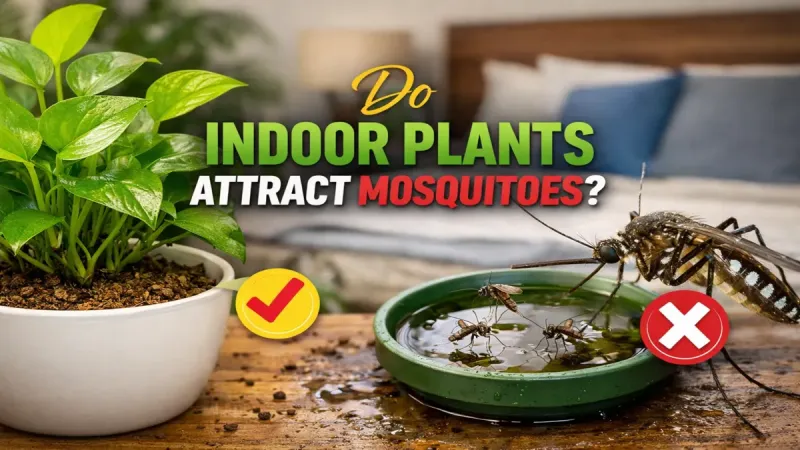
              Indoor Plants Don't Attract Mosquitoes: Here's Why

              Indoor plants themselves do not directly attract mosquitoes. · Mosquitoes are drawn to stagnant water, moisture, and humidity, not plant foliage. · Poor plant care, like wet soil or water trays, creates mosquito breeding grounds.

              Read Full Article
              ✨ Indoor plants themselves do not directly attract mosquitoes.
                👉 Read Next Quick Brief