

The Answer (Straight to the Point)
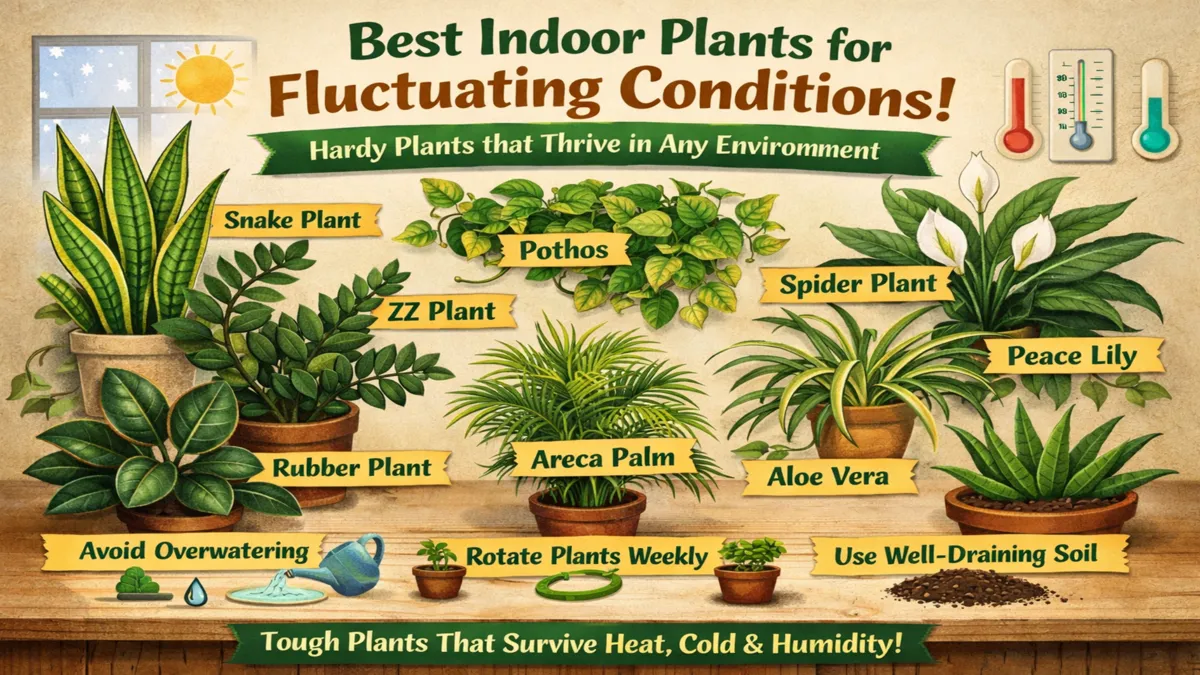
If the conditions in your home tend to fluctuate, these are the most reliable indoor plants:
Related News

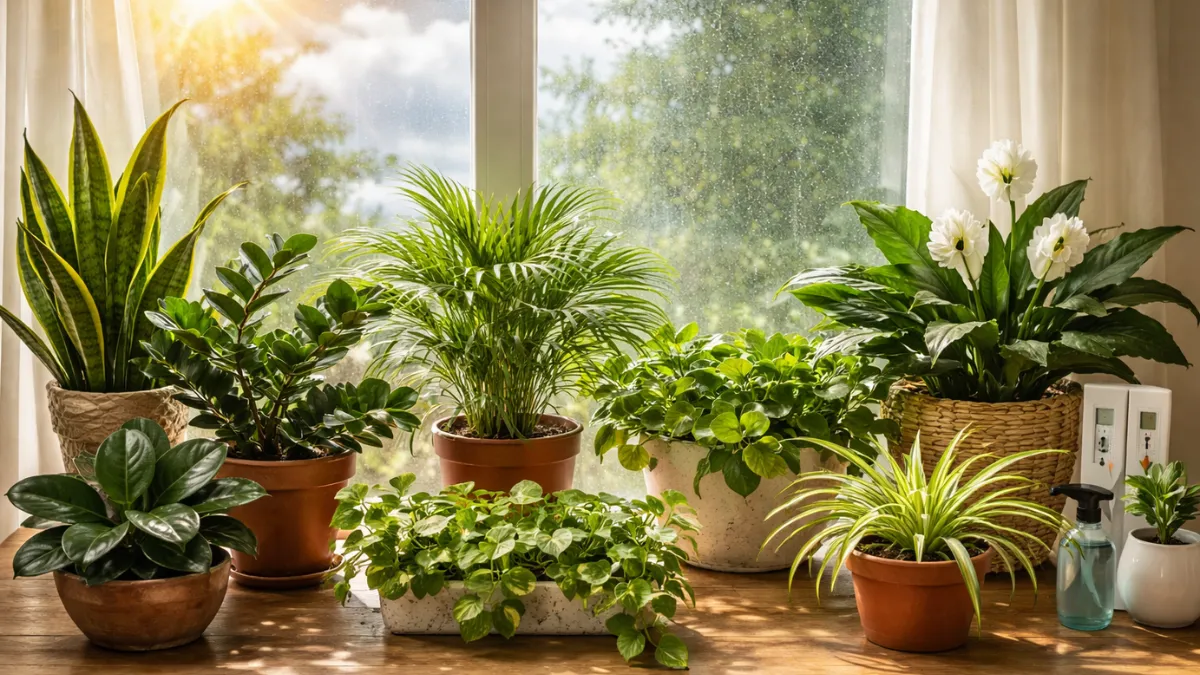
• Snake Plant
• ZZ Plant
• Pothos (Money Plant)
• Spider Plant
• Peace Lily
• Rubber Plant
• Areca Palm
• Aloe Vera
These plants can easily withstand temperature fluctuations, infrequent watering, and changing humidity levels.
The Introduction (First, Understand the Reality)
Weather fluctuation is one of the biggest silent killers for indoor plants. One week brings humidity, the next brings dryness, and suddenly your plant begins to turn yellow or wilt.
I have personally faced this issue during seasonal transitions especially as winter gives way to summer. Some plants simply couldn't survive the shift, despite receiving proper care.
Also Read : Fast Growing Indoor Plants for Small Pots (Compact & Easy Care)
Also Read : Why Your Indoor Plants Are Dying Even With Watering Correctly – Experts Explain
The truth is:
Not every indoor plant is built to thrive in a changing environment.
Therefore, rather than strictly adhering to rigid plant care rules, it is far more important to choose plants that can adapt to the changing weather conditions.
1. Snake Plant – The Most Resilient Plant
The Snake Plant is one of the hardiest indoor plants you can keep in your home.
Why it is so effective:
• It can withstand both extreme heat and cold temperatures.
• It can survive even in low humidity and dry air.
• It requires very little water.
In my experience, during a seasonal transition, this plant remained perfectly healthy even when I forgot to water it for nearly two weeks. Weakness:
Its growth slows down significantly during periods of extreme cold.
2. ZZ Plant – Perfect for Homes with Fluctuating Environments
If the environment in your home is inconsistent, the ZZ plant is the best choice for you.
Benefits:
• It easily tolerates low light conditions and fluctuating temperatures.
• It stores water within its roots (making it highly resistant to drought).
• It is minimally affected by seasonal changes.
The Reality:
Overwatering is the single greatest threat to this plant.
I once overwatered mine during the monsoon season that was my mistake, not a weakness inherent to the plant itself.
3. Pothos (Money Plant) – The Highly Adaptable Plant
The Pothos is renowned for its resilient nature.
Why it is so reliable:
• It adapts well to a wide range of lighting conditions.
• It easily withstands fluctuations in humidity levels.
• It recovers very quickly from any damage caused by environmental shifts.
Even if its leaves turn yellow, it typically sprouts new foliage very rapidly.
Limitations:
It does not tolerate strong, cold drafts.
4. Spider Plant – The Quick Healer
The Spider plant is an excellent choice for beginners learning to navigate seasonal changes.
Key Benefits:
• It adapts well to temperature fluctuations.
• It recovers quickly from damage.
• It thrives in indirect light.
I observed that my plant bounced back to full lushness just a few days after being exposed to dry air.
5. Peace Lily – Sensitive Yet Adaptable
The Peace Lily reacts rapidly to environmental changes but this sensitivity actually proves to be quite helpful.
Why it is useful:
• It displays visible warning signs (such as drooping leaves).
• It helps you make timely adjustments to its care routine.
• It adapts well to moderate environmental fluctuations. Reality:
• It is not as hardy as the Snake Plant or the ZZ Plant.
• Regular watering is essential.
Consider it an indicator plant.
6. Rubber Plant – Stable Growth Amidst Changing Seasons
Rubber plants are hardy and visually appealing.
Benefits:
• Tolerates fluctuations in indoor temperature
• Sturdy leaves remain resistant to damage
• Requires moderate care
Limitation:
Sudden, extreme cold can cause the leaves to drop.
7. Areca Palm – Excellent for Humidity Balance
If your home environment shifts between dry and humid conditions, this plant helps to balance the atmosphere.
How it works:
• Adapts well to moderate changes in humidity
• Naturally increases moisture levels in the air
• Excellent for the living room
However, avoid placing it near air conditioner vents.
Also Read : Low-Light Indoor Plants for North-Facing Rooms
Also Read : Indoor Plant Propagation Guide – Step by Step for Beginners
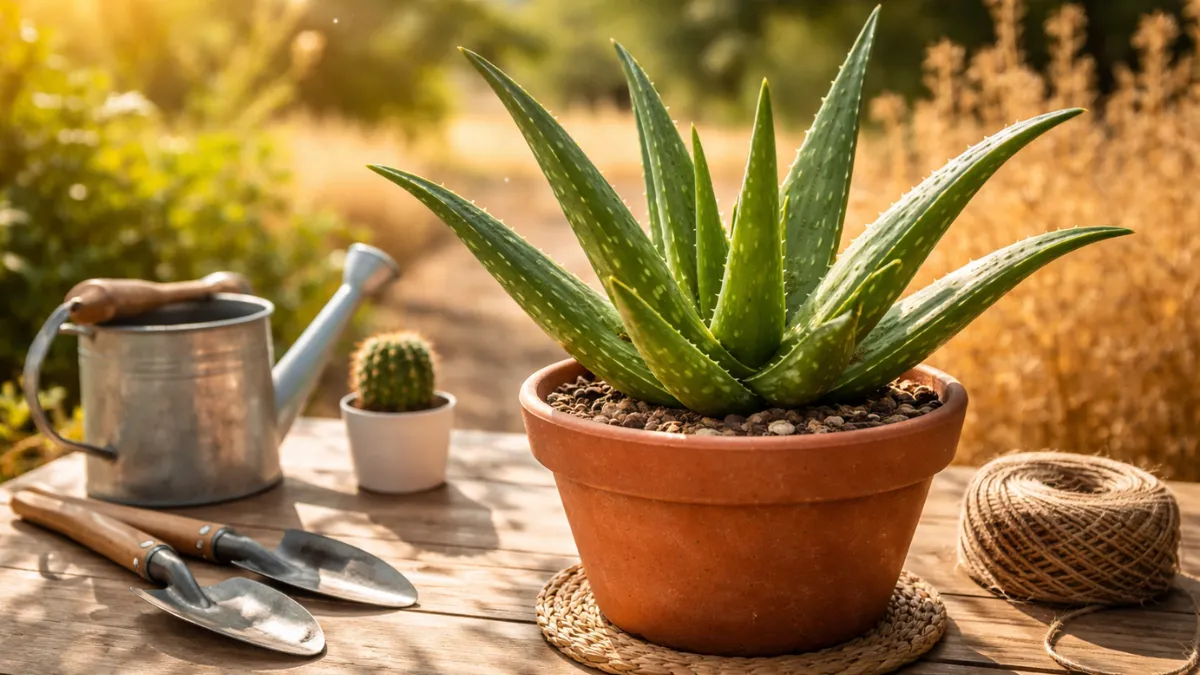
8. Aloe Vera – Best Suited for Dry Weather Changes
Aloe Vera thrives in dry conditions.
Pros:
• Stores water in its leaves
• Requires very little water
• Tolerates heat easily
Cons:
Cannot tolerate extreme cold
Fact Check: Myths vs. Reality
Myth: Indoor plants can adapt to any season.
Fact: Only a few plants can withstand frequent environmental changes.
Myth: More care = Longer lifespan.
Fact: Plants often die from *too much* care (especially overwatering).
Myth: All plants prefer the same environment.
Fact: Some plants are naturally built to handle fluctuations.
Useful Tips for Changing Seasons
1. Avoid Overwatering
Plant growth slows down when the seasons change; therefore, they require less water.
2. Keep Plants Away from Direct AC/Heater Vents
Sudden changes in temperature can have a negative impact on plants.
3. Rotate Your Plants Weekly
This helps them adapt more uniformly to variations in light and temperature.
4. Use Well-Draining Soil
This helps prevent root rot during periods of fluctuating moisture levels.
5. Observe the Leaves, Not the Calendar
Your plant will tell you exactly what it needs.
Final Thoughts
If your plants seem to struggle through every season, it isn't always due to a lack of care on your part; often, the issue lies in choosing the wrong plant.
I learned this lesson the hard way through bitter experience after losing several delicate plants during seasonal transitions.
As soon as I started growing hardy, adaptable plants, everything became much easier. Start with 2–3 sturdy plants from this list, observe how they behave, and then gradually proceed.
Written from real indoor plant care experience for IndoorPlantify.