


Dry indoor air is more common than most people think. This typically happens when we run air conditioners, heaters, or keep windows closed for extended periods.
Low humidity can dry out your skin, irritate your throat, and even stress your indoor plants. The good news is that some houseplants release moisture into the air through a process called transpiration.
Related News



Planting the right indoor plants can gradually increase humidity and make your space feel greener and more comfortable. Here are nine indoor plants that can help naturally improve indoor humidity levels.
1. Areca Palm
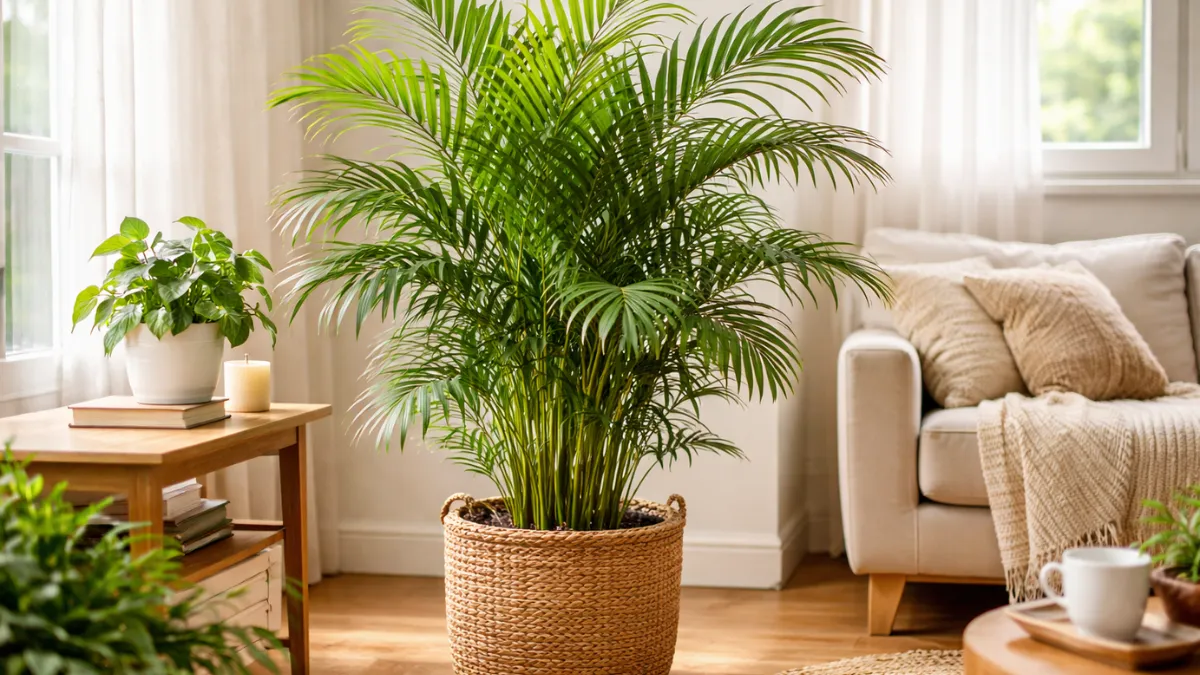
The areca palm is one of the best plants for increasing indoor humidity. It releases a lot of moisture into the air as it grows.
Its soft, feathery leaves also add a tropical touch to a living room or office. In my experience, placing an areca palm near a window helps it grow faster and release more moisture.
Keep the soil slightly moist, but avoid overwatering.
2. Boston Fern
The Boston fern loves moisture, and interestingly, it also helps create humidity. Its dense leaves release water vapor, slightly increasing the indoor humidity level.
This plant does well in bedrooms or bathrooms where the air tends to be dry. I initially made the mistake of keeping it in very dry air.
The leaves began to brown at the tips. When I increased the watering and placed it near other plants, it quickly recovered.
3. Peace Lily
The peace lily is a popular indoor plant known for its white flowers and shiny leaves.
It naturally releases moisture into the air, improving humidity in small rooms. Another advantage is that the peace lily is easy to care for.
However, if the soil becomes too dry, it will wilt quickly. This plant is good at letting you know when it needs watering.
4. Spider Plant
The spider plant is one of the easiest plants to grow indoors. It adapts well to different lighting conditions and grows rapidly.
As the plant grows, it produces small plants called spiderettes. These plants release moisture into the air through their leaves.
Because spider plants grow rapidly, they can help improve humidity over time.
5. Rubber Plant
The rubber plant has large, thick leaves that help slowly release moisture into the surrounding air.
It's also a sturdy plant that can tolerate occasional neglect. I've found that rubber plants grow best when placed in bright, indirect light.
If the room is too dark, growth slows and the plant produces fewer leaves.
6. Bamboo Palm
The bamboo palm is another humidity-loving indoor plant. It grows upright and forms clusters of thin leaves.
Because it has so many leaves, it can release a good amount of moisture into the air. This plant is often recommended for dry indoor spaces.
It also works well as a natural decorative plant in corners or near windows.
7. English Ivy
English ivy is known for its hanging vines and dense leaves.
More leaves mean more transpiration, which helps increase indoor humidity. This plant looks great in hanging baskets or on shelves.
One drawback, however, is that English ivy prefers cool temperatures. In very warm rooms, it can grow slowly.
8. Parlor Palm
The parlor palm has been used as a houseplant for generations.
It grows slowly, but its leaves are very soft, which help release moisture into the air. This plant is especially useful in small apartments or rooms with limited sunlight.
Even if you occasionally forget to water it, it will do fine.
9. Calathea
Calathea plants are known for their beautifully patterned leaves. They thrive in humid areas and also help increase humidity.
These plants release moisture through their broad leaves, which helps balance dry indoor air.
One major drawback is that calathea can be sensitive. If the air becomes too dry, the leaf edges may curl or turn brown.
Why indoor plants help increase humidity
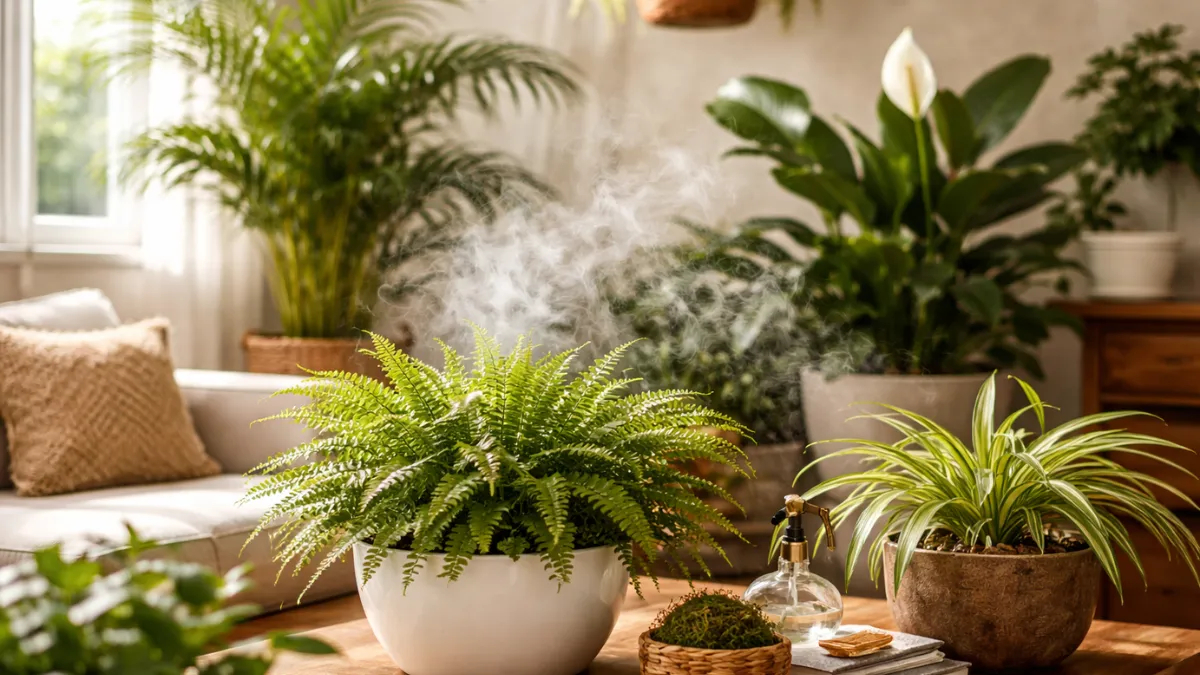
Indoor plants release water vapor from their leaves. This process is called transpiration.
When multiple plants are kept in the same room, they gradually add moisture to the surrounding air. This can help reduce dryness caused by heating systems or air
conditioners.
Plants also create a small microclimate around themselves. This means that the area around your plants often feels a little more humid than the rest of the room.
Easy Tips to Maximize Humidity with Plants
For best results, place plants together rather than placing them far apart.
Grouping plants allows them to share moisture and creates a more balanced environment.
You can also place plants near a natural light source. Healthy plants transpire more efficiently.
Just avoid placing them directly near a heater or a strong air conditioning vent.
Related Helpful Articles:
Do Indoor Plants Increase Humidity in AC Rooms? Explained
Why the Pebble Tray Humidity Hack : Is Becoming the Most Trusted Night-Time Plant Trick of 2025!
A Final Note
Indoor plants do more than just decorate a room. Many of them naturally release moisture into the air, helping to improve indoor humidity levels.
Plants like the Areca palm, Boston fern, and peace lily are especially helpful in dry homes.
While plants can't completely replace a humidifier, they can make indoor air feel fresher and more comfortable over time.
If you start with just two or three of these plants, you may notice a small but significant difference in your indoor environment.
Written from real experience caring for indoor plants for IndoorPlantify.