

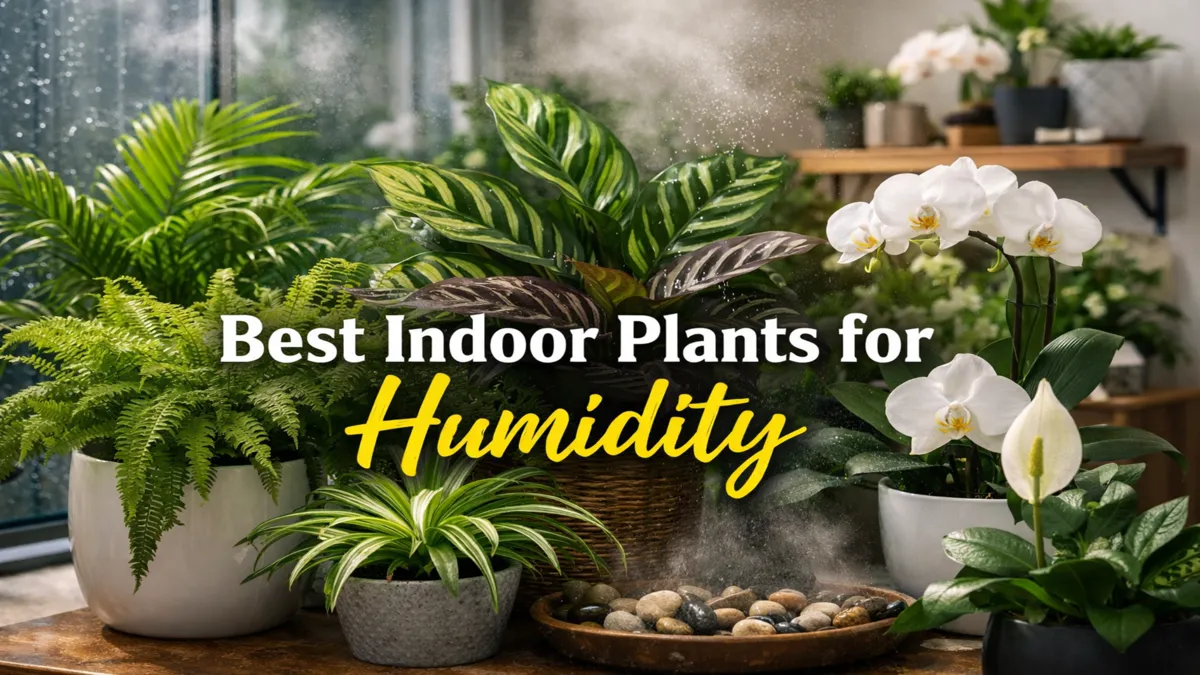
Learn about ten beautiful indoor plants that thrive in humid conditions. These moisture-loving plants thrive healthily in bathrooms, kitchens, and tropical homes, bringing a touch of greenery and freshness to your home.
Humidity can sometimes seem unappealing.
Related News



But for many indoor plants, humidity is actually a blessing.
Some houseplants suffer from dry air. Their leaves curl, tips turn brown, and growth slows. However, some plants naturally thrive in tropical forests where the air is humid most of the time.
If your home has high humidity, or in rooms like bathrooms and kitchens, you're actually in a great place to grow some amazing plants.
Here are ten indoor plants that truly love humid air.
Quick Info Table
| Category | Details |
|---|---|
| Topic | Indoor Plants for High Humidity |
| Ideal Locations | Bathrooms, kitchens, humid rooms |
| Light Requirement | Mostly bright indirect light |
| Water Needs | Moderate, keep soil slightly moist |
| Humidity Level | Medium to high humidity (50–80%) |
| Best For | Tropical plant lovers and humid homes |
| Difficulty Level | Easy to moderate care |
| Common Examples | Ferns, Calathea, Peace Lily, Orchids |
1. Boston Fern
The Boston fern is one of those classic high-humidity indoor plants that people grow in their homes.
Its soft, feathery leaves look lush when the air is humid. In dry rooms, the leaf tips often turn brown quickly.
Bathrooms with natural light are perfect for this plant.

In my experience, Boston ferns look noticeably fuller when the humidity is above 60%. Dry air is the biggest reason people struggle with it.
Light : Bright indirect light
Humidity : High
Tip : Keep the soil slightly moist, but never soggy.
2. Calathea
Calathea are famous for their beautifully patterned leaves.
They have another clear preference—humidity.
When the air becomes dry, Calathea leaves tend to curl or their edges become crisp. But in humid rooms, they remain open and shiny.
Many people keep them in bathrooms because they like the warm moisture in the air.
I made a mistake when I initially placed the Calathea near an AC vent. Within a week, the edges of the leaves turned brown.
Light : Medium to bright indirect light
Humidity : High
Best location : Bathroom shelf or near a humidifier.
3. Peace Lily
Peace lilies are both beautiful and forgiving.
It tolerates normal humidity well, but it actually thrives in humid conditions. The leaves remain shiny and the plant produces more flowers.
In tropical homes, peace lilies often grow larger and fuller.
They are also known to slightly improve indoor air quality, which is a nice bonus.
Light : Low to medium light
Humidity : Medium to high
Water : Water when the topsoil feels dry.
4. Orchids
Orchids naturally grow in tropical rainforests where humidity is constant.
That's why they prefer humid rooms.
If you've ever had problems with orchids not blooming, low humidity may be the cause.
In my experience, orchids kept near a bathroom window tend to be healthier and produce more regular blooms.
Light : Bright indirect light
Humidity : High
Tip : Never leave the roots submerged in water.
5. Areca Palm
The Areca Palm is a great plant for humid homes.
It grows long, soft leaves and creates a tropical look indoors. Unlike some palms, it prefers humid air.
The tips of the leaves often turn brown in dry conditions.
If your home is already humid, this plant usually grows faster and more profusely.
Light : Bright indirect light
Humidity : Medium to high
Water : Keep the soil slightly moist.
6. Spider Plant
Spider plants are considered very easy to grow.
It can survive in dry air, but it grows better in a humid environment. The leaves stay greener, and the young plants grow faster.
In the kitchen or bathroom, spider plants often grow faster.
One thing I've noticed is that humidity helps prevent the tips of the leaves from turning brown.
Light : Bright indirect light
Humidity : Medium to high
Care level : Very easy for beginners.
7. Philodendron
Philodendrons are tropical plants, so they naturally prefer humid air.
When humidity remains constant, their leaves become larger and shinier.
Although they can tolerate average indoor conditions, they clearly thrive in humidity.
Climbing philodendrons grow especially quickly when the air is not dry.
Light : Medium to bright indirect light
Humidity : Medium to high
Tip : Avoid direct sunlight.
8. Bird's Nest Fern
The Bird's Nest Fern looks different from most ferns.
Instead of delicate leaves, it grows broad, wavy leaves that form a nest shape.
Like most ferns, it likes humidity.
Dry air can cause the edges of the leaves to become crisp, while humid rooms help keep the leaves smooth and shiny.
Bathrooms with plenty of natural light are often best for this plant.
Light : Medium indirect light
Humidity : High
Water : Keep the soil lightly moist.
9. Alocasia
Alocasia plants have stunning, bold leaves that make them stand out.
But they also rely heavily on humidity.
Low humidity is the biggest cause of problems for Alocasia plants indoors. Leaves may curl or develop brown spots.
When humidity is high, the plant looks healthier.
This is a plant that truly benefits from a humid environment.
Light : Bright indirect light
Humidity : High
Difficult : Decent care.
10. Bamboo Palm
The bamboo palm is another plant that thrives in humid indoor spaces.
It's often recommended for offices and homes because it grows tall and has a tropical feel.
Unlike some delicate plants, it prefers humidity and still adapts well.
Humid air keeps leaves green and prevents them from drying out.
Light : Medium to bright indirect light
Humidity : Medium to high
Water : Keep the soil slightly moist.
Why Humidity is Important for Indoor Plants
Many popular houseplants actually grow in tropical forests.
In those places, humidity levels often range between 60–80%.
Indoor heating, air conditioning, and dry weather can drastically reduce humidity. When this happens, plants rapidly lose moisture from their leaves.
That's when these problems begin to occur:
• Leaf tips turn brown
• Leaf curling
• Slow growth
Plants that prefer humidity perform better when the air is humid.
Easy Ways to Increase Indoor Humidity
If your home is dry, a few small changes can help plants thrive.
Use a humidifier
This is the most reliable method.
Plant plants in groups together
Plants naturally release moisture through transpiration.
Place plants in the bathroom or kitchen
These rooms are naturally more humid.
Use a pebble tray
A shallow tray with water and pebbles can slightly increase the humidity around the plants.
However, there's one drawback—pebble trays only help a little. They don't replace real humidity.
Related Helpful Articles:
Do Indoor Plants Increase Humidity in AC Rooms? Explained
Why the Pebble Tray Humidity Hack : Is Becoming the Most Trusted Night-Time Plant Trick of 2025!
Final Words
Sometimes high humidity can feel strange. But many houseplants love it.
If your home is naturally humid, you already have the perfect environment for many tropical plants.
Ferns, calathea, orchids, and philodendrons all thrive in humid air.
The trick is simple: choose plants that complement your home's natural conditions, not fight them.
When you do this, plant care becomes much easier.
Written from real experience caring for indoor plants for IndoorPlantify.