

Indoor plants are often portrayed as being incredibly easy to care for beautiful to look at, and the kind of plants you can simply "plant and forget." But the truth is, they aren't quite as effortless as they appear on social media.
If you’ve ever bought a plant assuming it would thrive all on its own, only to watch it slowly wither away, you are not alone. It has happened to me, too.
Related News
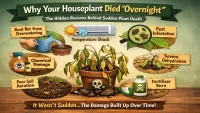
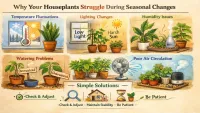
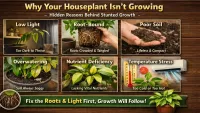
This article presents the honest, unvarnished facts about indoor plants free from exaggeration or unrealistic expectations.
The Short Answer (The Truth in Brief)
• Indoor plants do not always effectively purify the air.
• Most plants die not from a lack of water, but from overwatering.
• Low light does not mean no light at all.
• Some plants, despite being labeled as indoor varieties, do not actually thrive well inside a home environment.
• Consistent care matters more than expensive products.
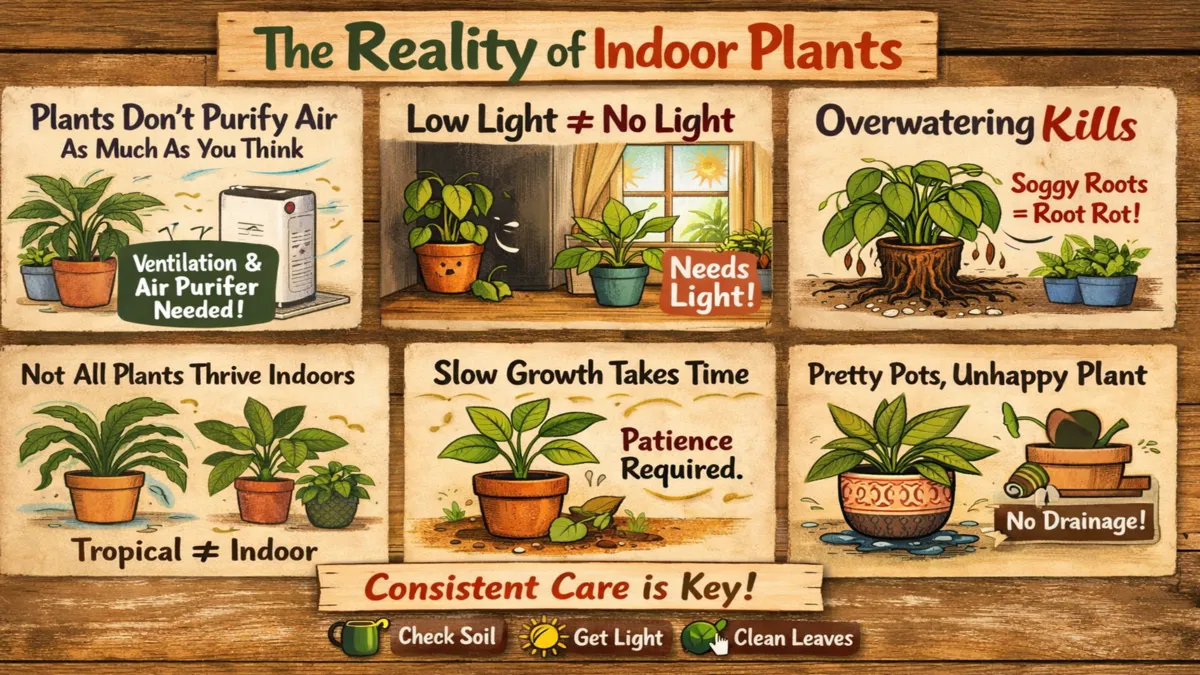
1. Indoor Plants Don't Purify the Air the Way You Think
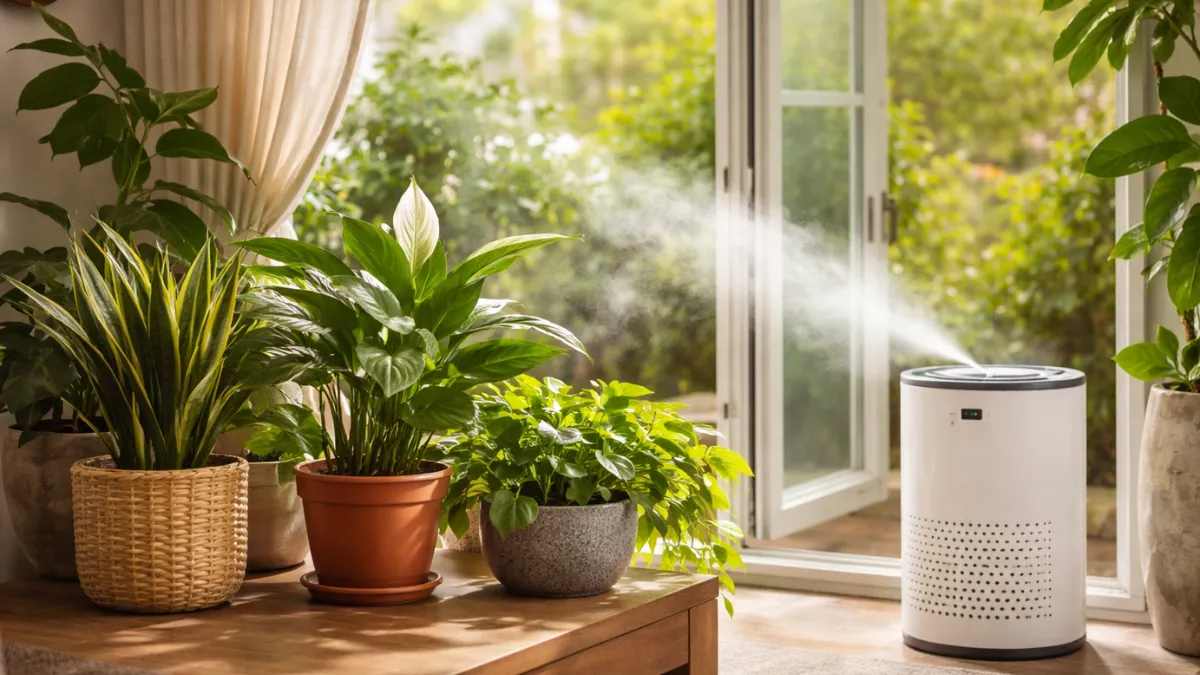
You’ve likely heard that indoor plants help clean the air. While this notion is rooted in scientific research, the reality is quite different.
Yes, plants can absorb small amounts of toxins; however, in a typical home environment, their actual impact is negligible.
To achieve any significant improvement in air purity, you would need dozens perhaps even hundreds of plants packed into a single room.
Also Read : Indoor Plants : Complete Beginner-to-Expert Guide (2026 Edition)
Also Read : Indoor Plant Care Tips for Indian Homes – Seasonal Guide 2026
The Truth:
Plants can offer a little assistance, but they are no substitute for proper ventilation or an air purifier.
2. Low-Light Plants Still Need Light
This is one of the biggest misconceptions out there.
When a plant is labeled as a low-light variety, it doesn't mean it can survive indefinitely in a dark corner. Simply put, this means it can survive in lower light conditions compared to other plants.
Once, I placed a plant in a windowless room, thinking it would adapt there. Within just a few weeks, its leaves turned yellow, and its growth came to a complete standstill.
The Reality:
Low light = Indirect light (not direct sunlight)
Absolutely no light = A slow death
3. Overwatering is the biggest threat to plants
Most beginners assume that more water = better care.
But in reality, the opposite is true.
Indoor plants often die not from too little water, but from too much.
Why?
• Roots require oxygen.
• Constantly wet soil suffocates the roots.
• This causes the roots to rot (a condition that is often irreversible).
The Reality:
Allow the soil to dry out slightly before watering again.
4. Not all indoor plants actually enjoy living indoors
Many plants marketed as indoor plants are actually tropical species that naturally grow outdoors. They may survive indoors but they don't always truly thrive.
Indoor conditions are vastly different:
• Lower light levels
• Lower humidity
• Limited airflow
The Reality:
Some plants inside your home are merely surviving, not happily thriving.
5. Plant growth indoors is very slow
If you’ve seen plants growing rapidly online, they are often shown under ideal conditions or in edited time-lapse sequences.
In real homes:
• Growth is slower.
• Leaves tend to be smaller.
• New growth takes time to appear.
The Reality:
Indoor plants require patience, not instant results. 6. Beautiful Decor ≠ Healthy Plant
Many people focus on pots, aesthetics, and placement—but overlook the actual needs of the plant.
For example:
• Decorative pots without drainage holes
• Placing plants for aesthetic appeal rather than for light
• Ignoring airflow
I made this mistake early on using a beautiful pot that lacked drainage holes. The plant looked great for weeks then suddenly began to deteriorate.
The Truth:
A healthy plant matters more than a beautiful setting.
7. Plants Cannot Survive Solely on Neglect
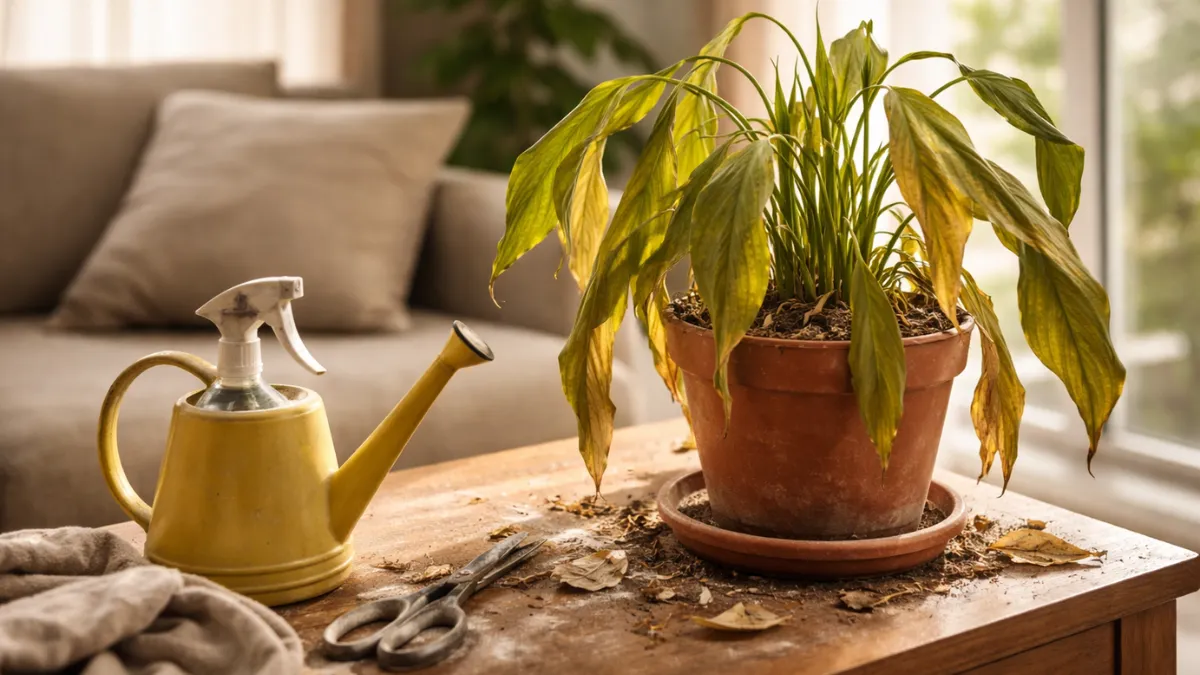
You might hear phrases like, This plant thrives best when neglected.
This is misleading.
Plants still require:
• Light
• Water (at the right time)
• Occasional cleaning and care
The Truth:
Low maintenance does not mean no maintenance at all.
Reality Check: Myths vs. Facts
Myth: Indoor plants are effortless.
Fact: They require understanding and consistent care.
Myth: More water = A healthier plant.
Fact: Overwatering kills a plant faster than underwatering does.
Myth: Plants will grow anywhere indoors.
Fact: Lighting conditions matter significantly.
Myth: Plants instantly improve air quality.
Fact: In real-world homes, their impact is minimal.
Practical Tips for Success
Here are some simple, practical tips based on real-world experience:
1. Check the soil before watering.
Insert your finger into the soil if it feels dry, water the plant.
2. Place plants near light sources.
Windows are your best friends. Even indirect sunlight helps.
3. Use pots with drainage holes.
Always allow excess water to drain away.
4. Clean the leaves occasionally.
Dust hinders light absorption. Gently wipe the leaves.
5. Do Not Constantly Move Plants from One Place to Another
Plants require time to adapt to a specific environment.
Final Thoughts
Indoor plants are wonderful but they aren't magic.
Once you understand their true needs, everything becomes easy. Instead of simply chasing after aesthetics, focus on creating the right environment.
In my experience, the biggest shift occurs when you stop guessing and start observing your plants closely. That is when they truly begin to thrive.
Written for IndoorPlantify, based on real-world experience in indoor plant care.