

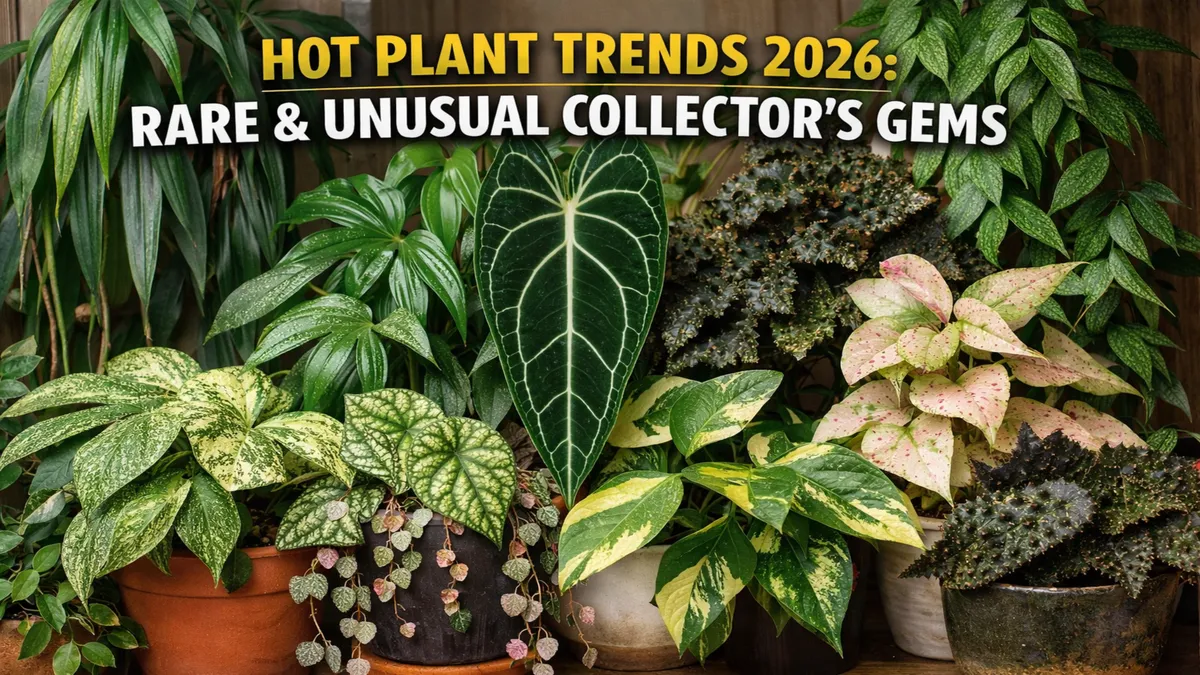
Indoor plant trends change rapidly.
What was scarce last year is now everywhere.
Related News

And true collectors? They're always looking for something different.
In 2026, their focus is clear. Unique leaves. Strange textures. Compact growth. And plants that look like living art.
Here's your clean, practical guide to the rare indoor plants collectors are seeking this year.
1. Philodendron Spiritus Sancti
This plant is still at the top of collectors' wishlists.
The long, slender leaves look almost unreal. They hang gracefully and immediately attract attention.
In my own experience, it grows slower than most philodendrons. And this surprises many new buyers.
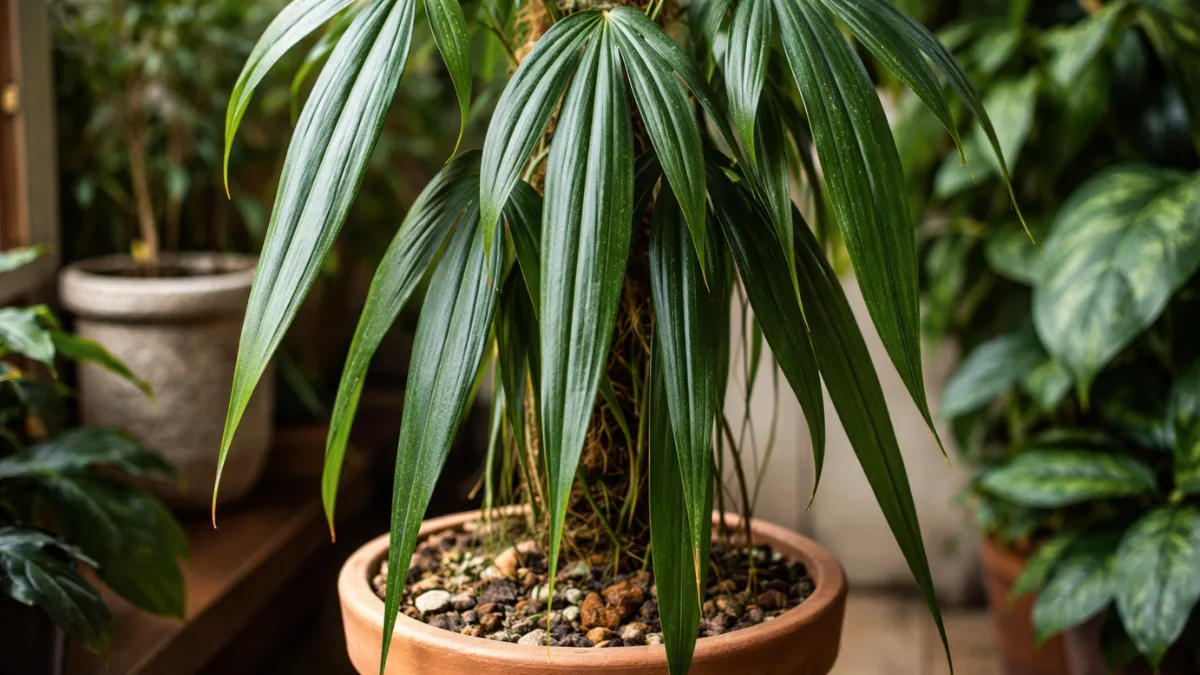
It needs bright indirect light and consistent humidity. No extreme conditions, just consistent conditions.
One mistake I made initially was placing it near a cold window. The edges of the leaves quickly turned brown. It doesn't like sudden temperature changes.
It's expensive. That's its real drawback. It's not the right price for beginners.
2. Monstera Mint (Variegated Form)
Variegation is still a trend in 2026.
But mint variegation looks softer than bold white spots. It almost looks painted on.
This plant needs bright indirect light to maintain its color. Mint fades in low light.
I've noticed it grows slower than regular Monstera. This is normal. Variegated plants produce less chlorophyll, which means energy production is slower.
Patience is needed here.
3. Anthurium warroquinum (Queen Anthurium)
This year, the velvet leaves are dominating collector shelves.
The long, deep green leaves with bright veins look dramatic yet elegant.
Humidity matters. If your home is dry, the tips of the leaves can become crispy.
In my own experience, it adjusted well once I stopped moving it around. Some rare plants don't like being moved around every week.
It's not difficult, but it requires stability.
4. Alocasia Dragon Scale Variegated
Texture is trending.
And this plant resembles reptile skin with creamy flecks.
It stays compact, which is perfect for small homes.
I made the mistake of overwatering it in winter. Alocasia slows down in the colder months. Wet soil and poor growth can lead to root rot.
Allow the top layer to dry out slightly. This simple rule prevents many problems.
5. Hoya polyneura (Fishtail Hoya)
Collectors are now flocking to the unique leaf shape.
The leaves of this Hoya resemble tiny fishtails.
It hangs beautifully from shelves and doesn't require constant attention.
In my own experience, it thrives when the roots are a little restrained. So don't rush to repot.
Really? Growth may seem slow initially.
6. Variegated String of Hearts
Small plants are trending again.
People want rare plants that fit in apartments and work desks.
This climbing plant displays pink, silver, and cream colors when in bright light.
Overwatering it will kill it faster than underwatering it. I learned this the hard way.
It prefers neglect to excessive care.
7. Philodendron Florida Beauty
Collectors love the constantly changing colors.
This plant has bold white spots and unique leaf shapes.
If provided with a moss pole, it climbs well. Without support, the leaves remain small.
In my own experience, light fertilization during active growth significantly improved leaf shape. However, over-fertilizing once established burned the roots. Less is more.
8. Syngonium Milk Confetti
The light pink spots make this plant stand out.
It remains compact and does well in bright indoor areas.
Low light dulls the pink color, a fact buyers don't always realize.
It's easier than it looks. A good start to collecting rare plants.
9. Begonia Ferox
Texture collectors love it.
As the leaves grow, they develop black spikes. Small plants look simple. Large plants look wild.
Humidity helps, but it tolerates normal indoor air better than most people think.
In my experience, regular watering matters more than high humidity.
Why 2026 Trends Look Different
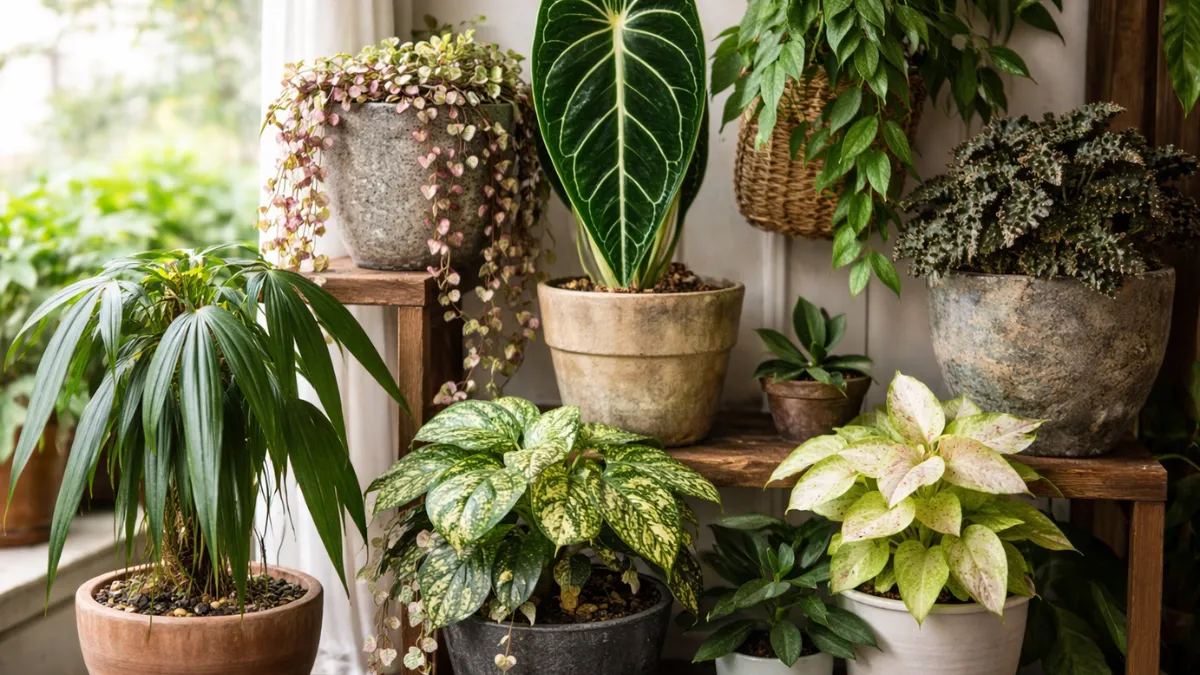
Collectors are no longer just chasing price.
They want personality.
Unusual leaf shapes. Texture. Compact growth. Plants that fit into modern homes.
And frankly, many people now prefer slow-growing plants. Fast-growing plants can quickly outgrow indoor space.
Before Buying Rare Plants
It's natural to be excited.
But rare doesn't always mean difficult.
Ask yourself:
• Does my home receive bright indirect light?
• Can I water it regularly?
• Am I okay with slow growth?
Start with a rare plant. Observe it. Learn its rhythm.
In my experience, planting five expensive plants at once causes stress rather than joy.
Collecting rare plants should feel peaceful, not stressful.
Related articles:
Rare Indoor Plants That Increase in Value Over Time
Related articles:
Burle Marx Flame Monstera : Rare Aroid Guide (2026)
Final Thoughts
Trends will change again.
But healthy plants never go out of style.
Focus on learning care basics. Watch how your plant responds. Adjust slowly.
That’s how collectors grow not just their plants, but their confidence too.
Written from real indoor plant care experience for IndoorPlantify.