

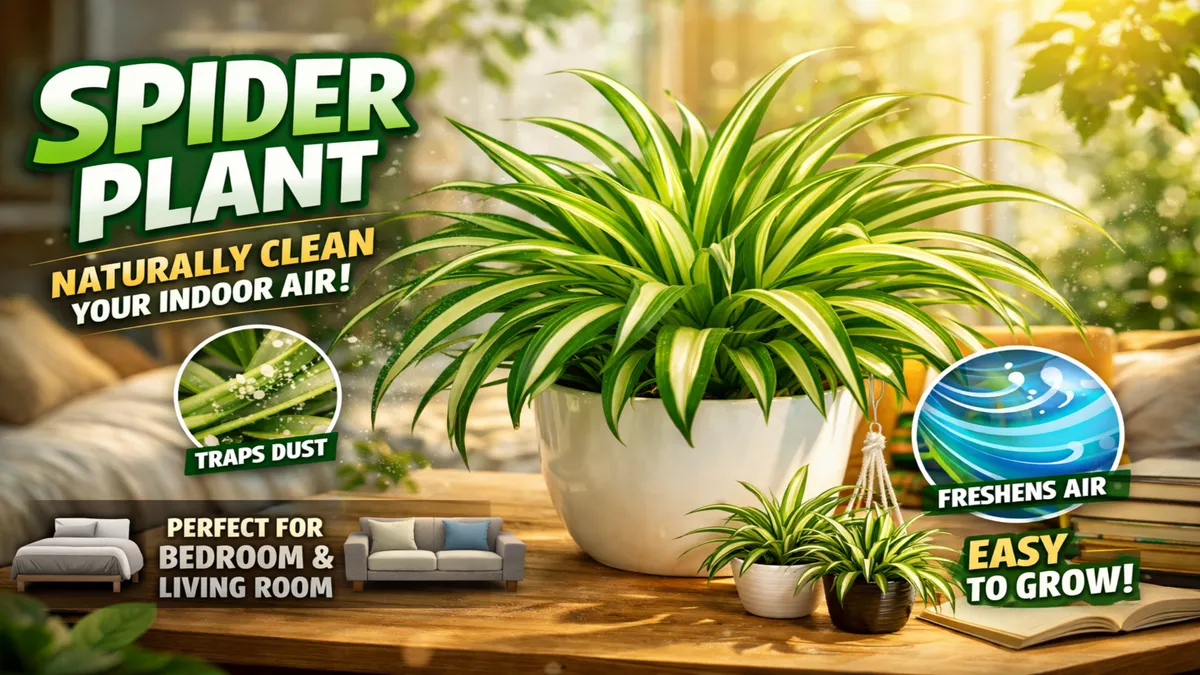
If you like fresh air in your home but don't want your machines running all day, a spider plant can quietly help. I've placed this plant in my bedroom, living room, and even near my study table. It's easy to grow, looks refreshing, and subtly improves the room's atmosphere. And over time, you might notice less stuffiness in the air and a calmer environment indoors, without any extra effort.
Quick Answer Box
Quick Comparison:
Best for low light : Spider Plant
Best for fast growth : Spider Plant
Best for beginners : Spider Plant
Best for air circulation : Spider Plant
Why the Spider Plant is Popular for Home Air
The spider plant has been a staple in our homes for years, often sitting quietly on windowsills or shelves. People trust it because it survives in a variety of conditions and stays green most of the time. Its long, arching leaves help naturally circulate the air around it, making rooms feel more open and airy.
Related News


Many plant lovers keep spider plants because they don't require much care. Even if you forget to water it once or twice, it easily survives. This reliability makes it a common choice for naturally improving home air without any stress or high maintenance.
How the Spider Plant Helps Improve Home Air Quality
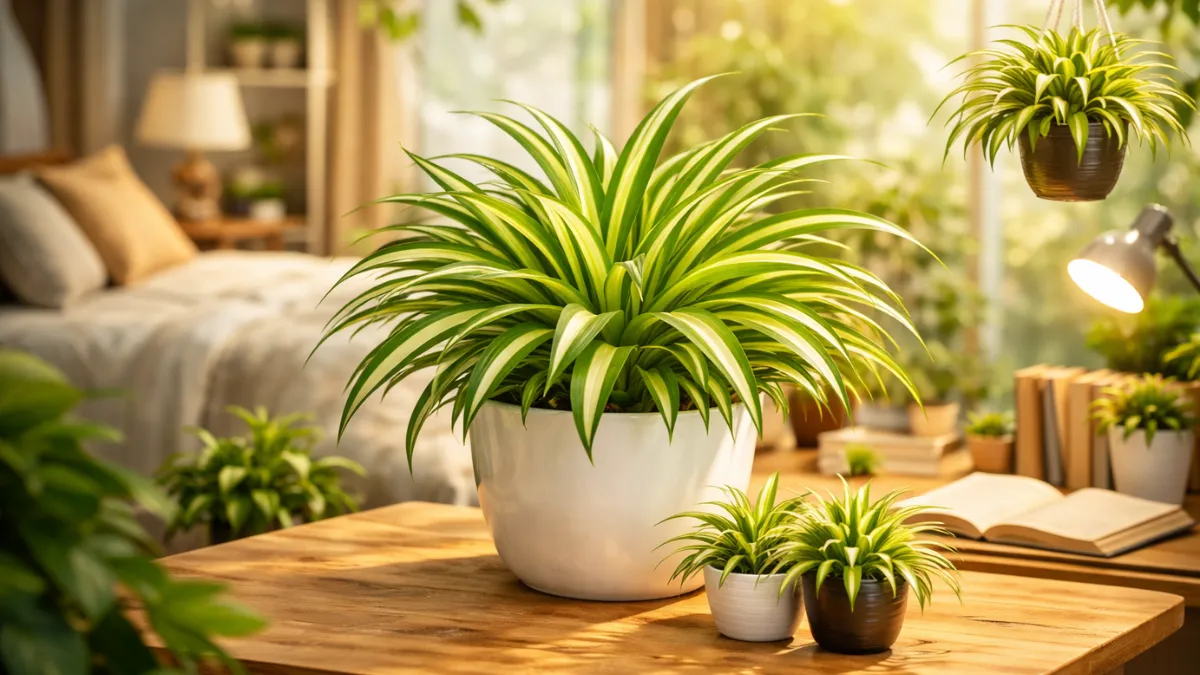
The spider plant doesn't work like a machine, but it subtly helps improve the air in your home. Its leaves release moisture, reducing dryness in enclosed rooms. This can make breathing feel more comfortable, especially during the summer or when using air conditioning.
Another simple benefit is dust control. Spider plant leaves trap small dust particles floating in the air. When you regularly wipe the leaves clean, you also remove some dust from your room, resulting in slightly cleaner air over time.
Air Comfort Benefits You Can Feel
With a spider plant nearby, you might experience less dryness in your throat or nose. The room may feel less stuffy, especially when the windows aren't open all day. These are small changes, but over months, they add to your comfort.
Spider Plants and Everyday Indoor Pollution
Everyday indoor pollution comes from cooking fumes, cleaning sprays, and outside dust. The spider plant works actively throughout the day to help balance the indoor environment. While it won't eliminate everything, it naturally helps make your indoor space healthier.
Best Places to Keep a Spider Plant Indoors
Placement matters when you want the best results. Spider plants don't like bright, direct sunlight. They do well near windows with curtains. They can also survive in low light, but their growth might be a little slower.
Avoid placing them in complete darkness or very bright sunlight. Bedrooms, living rooms, and home offices are ideal locations. Hanging baskets also work well and allow the leaves to spread freely, improving air circulation around the plant.
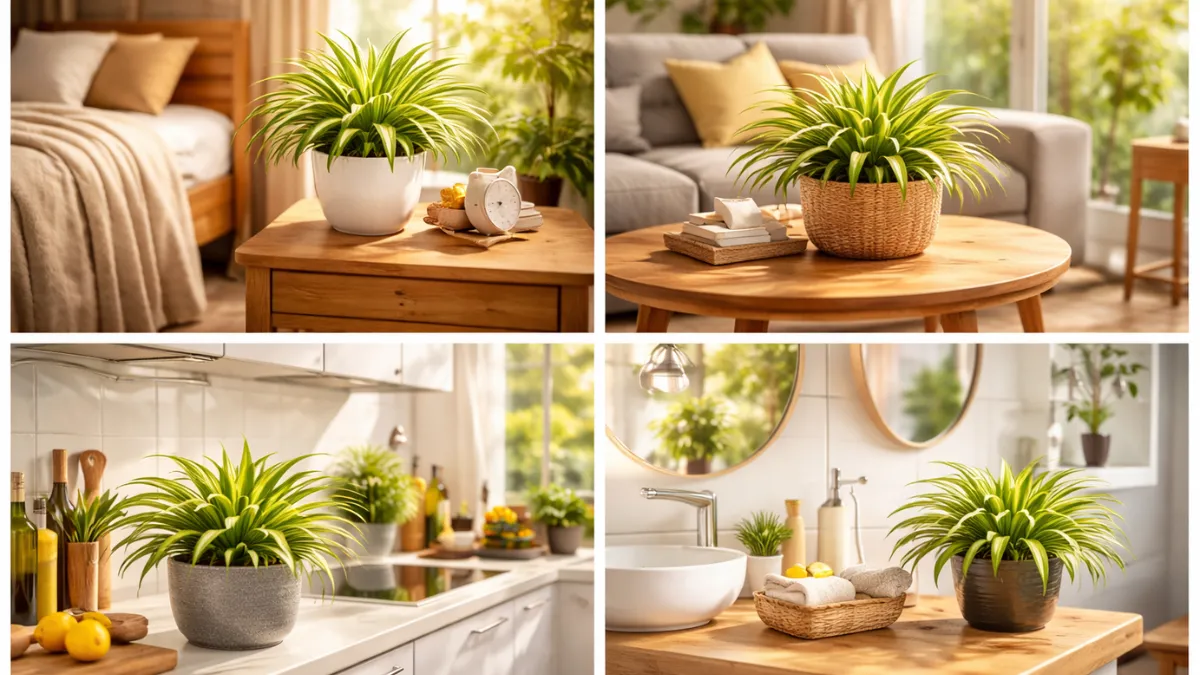
Placement Guide Table
| Location | Is It Good? | Reason |
|---|---|---|
| Bedroom | Yes | Helps maintain moisture and calm air |
| Living Room | Yes | Handles foot traffic and light changes |
| Kitchen | Moderate | Needs distance from heavy heat |
| Bathroom | Yes | Likes humidity and indirect light |
| Dark Store Room | No | Needs some light to stay healthy |
Related article:
Spider Plant vs Snake Plant (2026): Which Is Better for Home, Bedroom & Health?
Care Tips That Support Air-Purifying Benefits
Healthy plants support better indoor air quality. Water your spider plant when the topsoil feels dry. Overwatering can lead to root problems, weakening the plant. Use a pot with drainage holes for best results.
Wipe the leaves with a soft cloth once a week. This allows the plant to breathe better and keeps dust away. Clean leaves also look fresher and support the plant's natural role in balancing the air in your home.
Common Care Mistakes to Avoid
Many people place spider plants in very dark corners and expect rapid growth. However, this only slows down the plant's growth. Another mistake is watering daily. Spider plants prefer a simple routine and thrive best when not over-managed.
Also Read : Plants That Grow Faster Indoors – Verified Tips That Actually Work
Spider Plants for Homes with Children and Pets
Spider plants are generally considered safe for homes with children. Their soft leaves and non-toxic nature make them a popular choice for families. However, pets like cats may chew on the leaves, so it's best to keep them out of reach.
Keeping them slightly out of the way prevents damage and keeps the plant looking neat. A healthy spider plant stays lush and continues to support indoor comfort without causing any problems.
Does One Spider Plant Make a Difference?
A single plant won't change everything. But it does contribute. Think of the spider plant as part of a healthy indoor setup. When combined with good ventilation, sunlight, and basic cleaning, it supports a better indoor environment.
Using multiple spider plants in different rooms can increase the overall comfort level. Over time, these small changes add up, making living spaces feel more airy and peaceful.
Final Tips
The spider plant is a simple, reliable indoor plant that improves air quality over time. It doesn't promise miracles, but it quietly helps when properly cared for.