

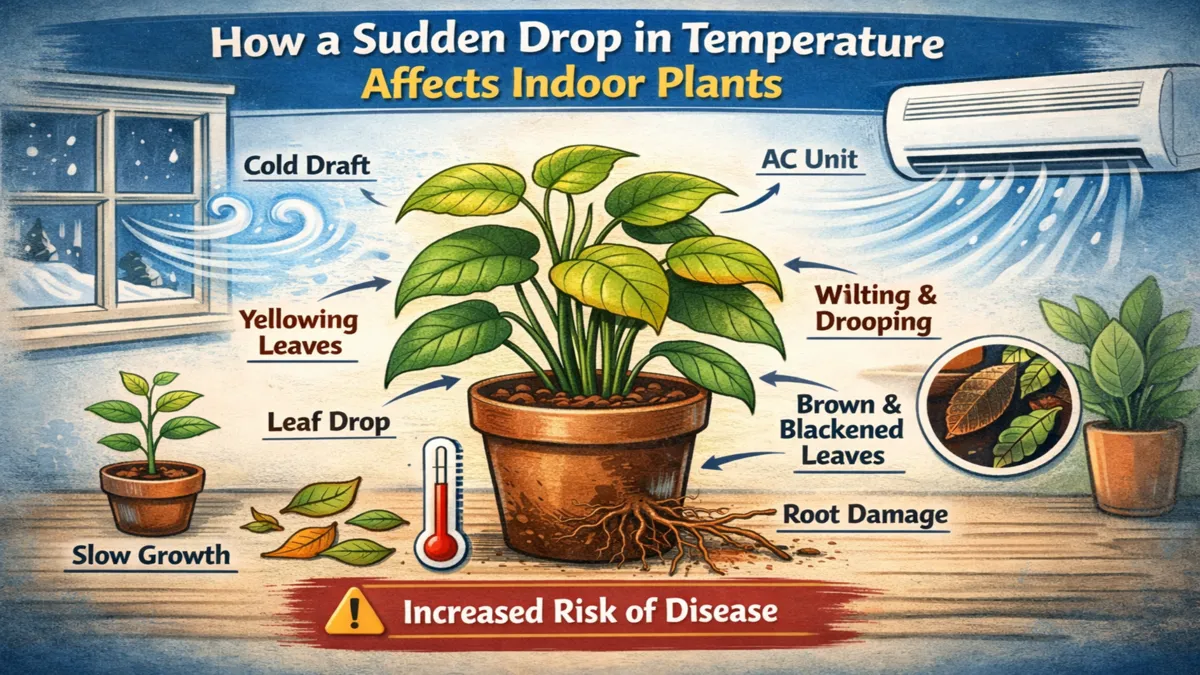
Indoor plants may appear static at first glance, but in reality, they are highly sensitive to sudden changes in their environment. One of the most common and often overlooked issues is a sudden drop in temperature.
Even a slight shift in temperature such as a draft of cold air entering through a window or a drop in temperature overnight can cause plants far more stress than people realize. In some cases, the damage becomes visible immediately; in others, it manifests gradually over the course of several days.
Related News
The Short Answer (Simple + Practical)
A sudden drop in temperature can affect indoor plants in the following ways:
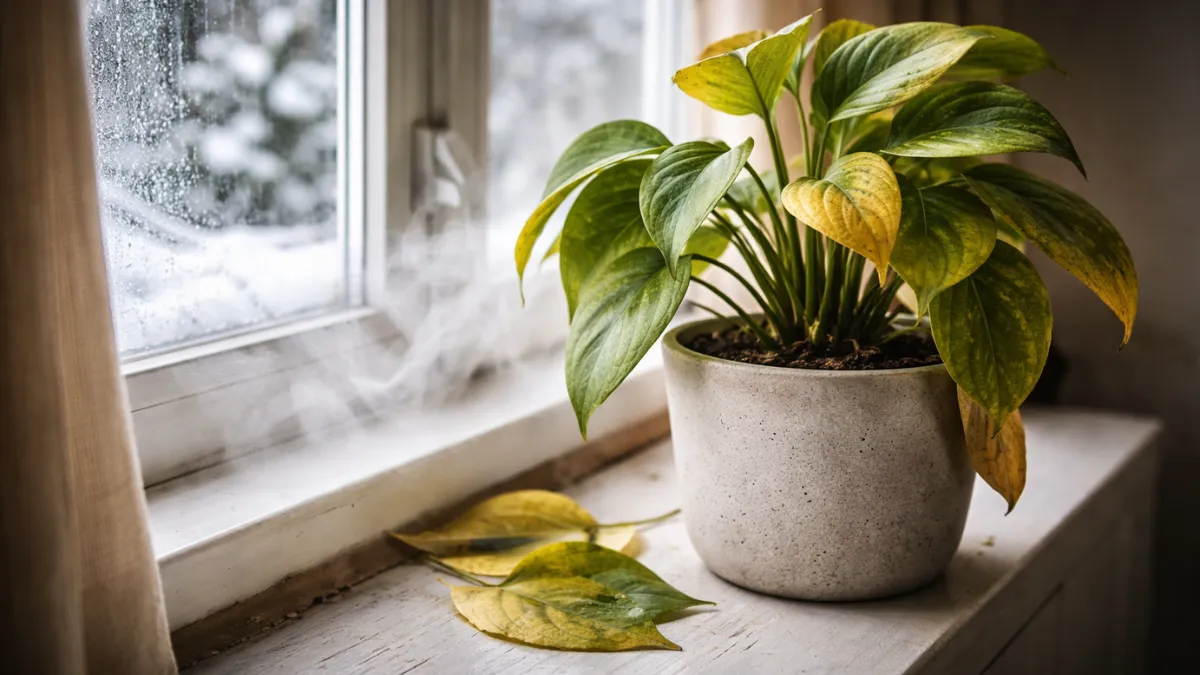
• Leaves turning yellow or brown
• Significantly slowed plant growth
• Leaves beginning to drop
• Weakening of the root system in severe cases
• Increased susceptibility to diseases
If the temperature change occurs too rapidly, even hardy plants can find themselves in distress.
How Does a Drop in Temperature Affect Indoor Plants?
Indoor plants are accustomed to relatively stable environmental conditions. When the temperature drops suddenly, it disrupts their internal biological processes.
Also Read : Indoor Plants That Thrive During Winter – Expert Recommendations
Also Read : How to Revive a Dying Indoor Plant (Step-by-Step Guide)
1. Slowed Metabolism
Plants rely on warmth for photosynthesis and nutrient absorption. A sudden drop in temperature can slow down these processes, effectively stalling the plant's growth.
2. Issues with Water Absorption
Cold soil reduces root activity. This means that your plant may stop absorbing water properly, even if there is moisture present in the soil.
3. Damage to Leaf Cells
In some instances, exposure to cold temperatures can damage the plant's cells, resulting in leaves that become soft, discolored (darker), or wilted.
Warning Signs of Temperature Stress
These signs typically begin to appear within just a few days of exposure to cold temperatures:
1. Sudden Yellowing of Leaves
If leaves begin to turn yellow rapidly without any signs of overwatering, the cause may be temperature shock.
2. Leaf Drop
Plants such as Ficus or Money Plants may suddenly begin to shed even their healthy leaves.
3. Browning or Blackening of Leaf Edges
Cold damage often manifests as dark spots or discoloration along the edges of the leaves.
4. Persistent Wilting Despite Watering
If your plant continues to look weak or droopy even after being properly watered, temperature stress could be the underlying cause.
5. Stunted Growth
The production of new leaves ceases, and the plant appears to be stuck or at a standstill.
Common Indoor Causes
Most temperature-related problems stem from everyday household situations:
1. Cold Drafts
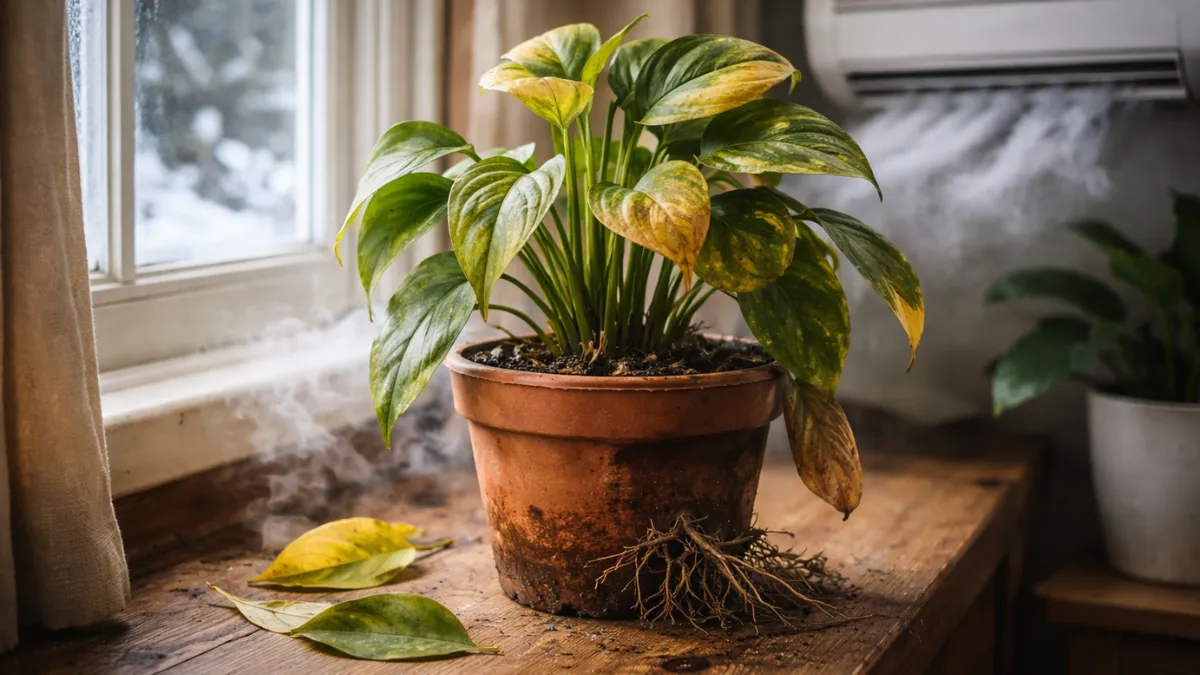
Placing plants near windows, doors, or AC vents can expose them to sudden gusts of cold air.
2. Nighttime Temperature Drops
During the winter season, indoor temperatures can also drop significantly overnight.
3. Frequent Relocation of Plants
Moving plants between rooms with differing temperatures can place them under stress.
4. Air Conditioning or Coolers
Direct airflow from an AC unit or air cooler can cause sudden fluctuations in temperature.
My Personal Experience (A Real Incident)
In my own case, I once placed a Money Plant near a window during the winter nights. It appeared perfectly healthy for several days, but then, quite suddenly, its leaves began to fall off. Initially, I thought this was due to underwatering or overwatering but when I moved it away from the window, the problem resolved itself within just a week.
This taught me just how subtly the stress caused by temperature fluctuations can take its toll.
Another Real-Life Experience
Snake plants are often considered extremely hardy, yet even they can be affected. I observed that when they were left exposed to cold air overnight, soft spots began to appear on their leaves.
Once I stabilized the room temperature, the plant's condition stopped deteriorating; however, the leaves that had already been damaged never fully recovered.
Also Read : Low-Light Indoor Plants for North-Facing Rooms
Also Read : Why Your Indoor Plants Are Dying Even With Watering Correctly – Experts Explain
The Biggest Mistake Most People Make
A common error is assuming that indoor plants are completely shielded from outdoor weather conditions.
In reality, areas near windows or doors can experience conditions remarkably similar to those outdoors especially when cold air is circulating.
Overlooking this fact can subject your plants to repeated stress.
Reality Check (Misconception vs. Truth)
Misconception: Indoor plants are safe from temperature fluctuations.
Truth: Sudden temperature shifts indoors can also cause harm to plants.
Misconception: Only extreme cold affects plants.
Truth: Even a drop of just 5–10°C in temperature can cause stress to sensitive plants.
Misconception: Damage becomes visible immediately.
Truth: Some symptoms may not appear until several days later.
Practical Tips for Protecting Your Plants
1. Keep Plants Away from Direct Drafts
Avoid placing them near windows, doors, or directly in the path of airflow.
2. Maintain a Stable Temperature
For most indoor plants, aim to keep the room temperature between 18–24°C.
3. Avoid Sudden Relocation
If you need to move your plants, allow them to acclimatize to their new location gradually.
4. Use Curtains or Barriers
Curtains can help mitigate the cold air entering through windows.
5. Water with Caution in Winter
The combination of overwatering and cold stress can cause even greater damage to the roots.
Some Limitations You Should Be Aware Of
Not all plants react in the same way.
Some plants such as the Snake Plant or ZZ Plant can tolerate slight drops in temperature, while others like the Peace Lily or Calathea begin to show signs of stress immediately when temperatures fluctuate.
Therefore, the specific type of plant plays a crucial role in this regard.
Internal Linking Suggestions (for your site)
Caring for Indoor Plants in Winter
Signs of Overwatering vs. Underwatering
Best Indoor Plants for Low-Light Conditions
How to Revive Dying Indoor Plants
Conclusion
A sudden drop in temperature is one of those hidden issues that many plant owners overlook until it is too late.
The good news is that once you understand the symptoms and causes, saving your plants becomes much easier. Small adjustments such as relocating your plants or maintaining a stable temperature can make a huge difference.
Your plants don't require absolutely perfect conditions, but they certainly do need a consistent environment.
Written for IndoorPlantify, based on real-world experience in indoor plant care.